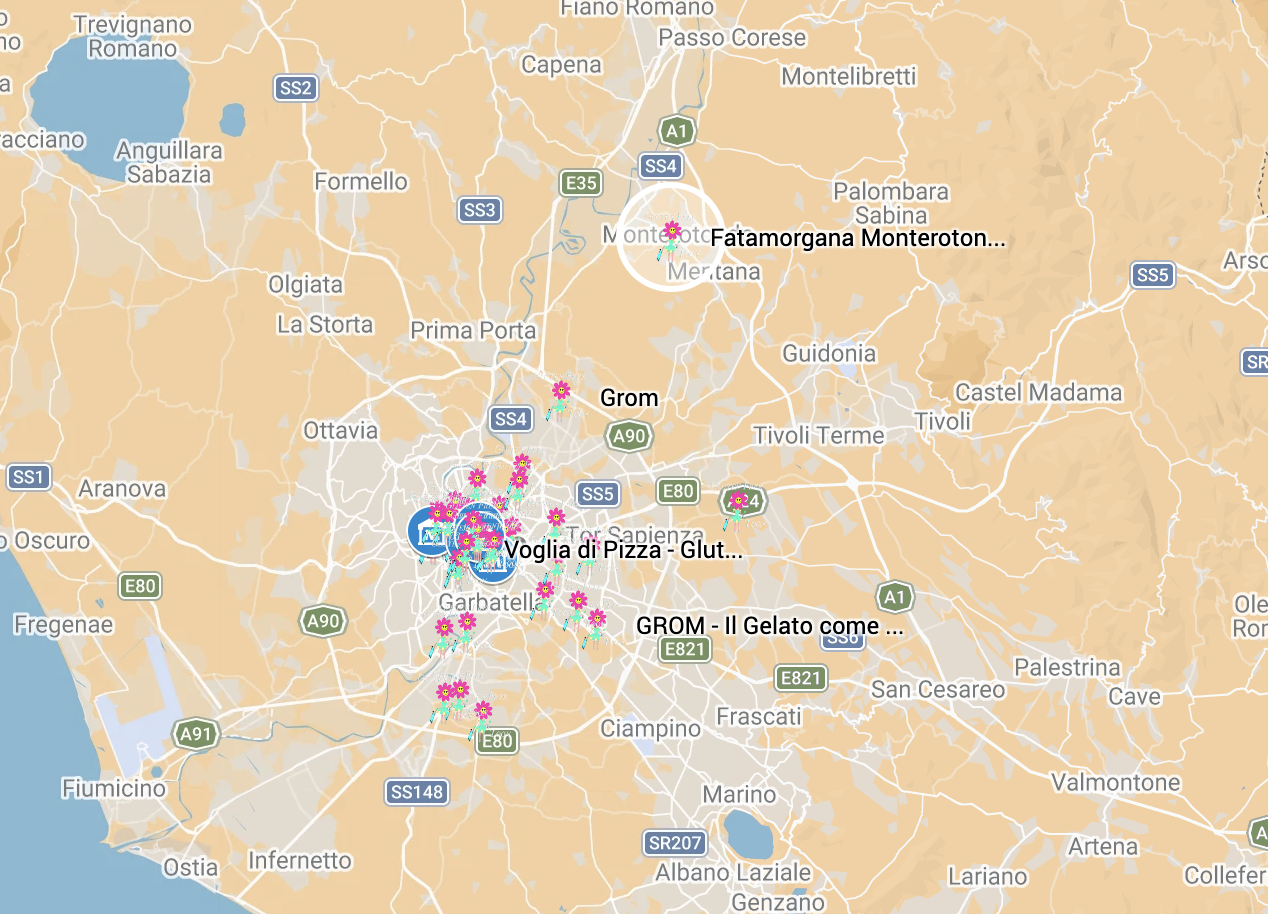
At the beginning of this travel guide, you’ll discover 100% gluten free restaurants, bakeries, and dessert spots in Rome conveniently located near the city’s most famous historic sites.
You’ll then find a guide to Rome’s must see attractions, within walking distances to nearby gluten free food options to help you plan each day with ease. Whether you’re exploring ancient ruins, admiring iconic landmarks, or wandering through the city’s charming streets, this guide will help you discover Rome while keeping your gluten free needs in mind. I have also included recommended private and group tours.
Le Altre Farine Del Mulino Roma
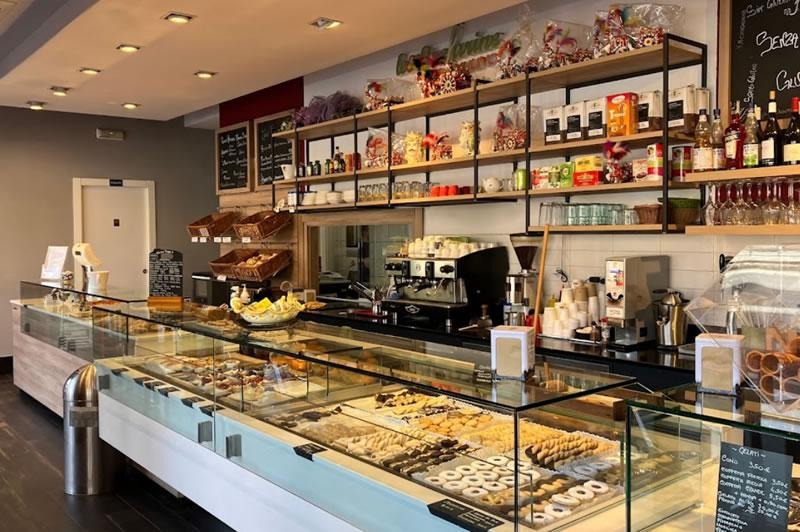
Le Altre Farine del Mulino is an Italian 100% gluten free bakery, café and casual restaurant near the Vatican, specialising in traditional Italian food made without gluten.
Vatican / St. Peter’s
Bakery and takeaway stop. Particularly convenient after St. Peter’s Basilica or St. Peter’s Square; allow approximately 10–20 minutes on foot depending on your exact starting point.
Address: Via di Porta Cavalleggeri 151–153
New Food Experience
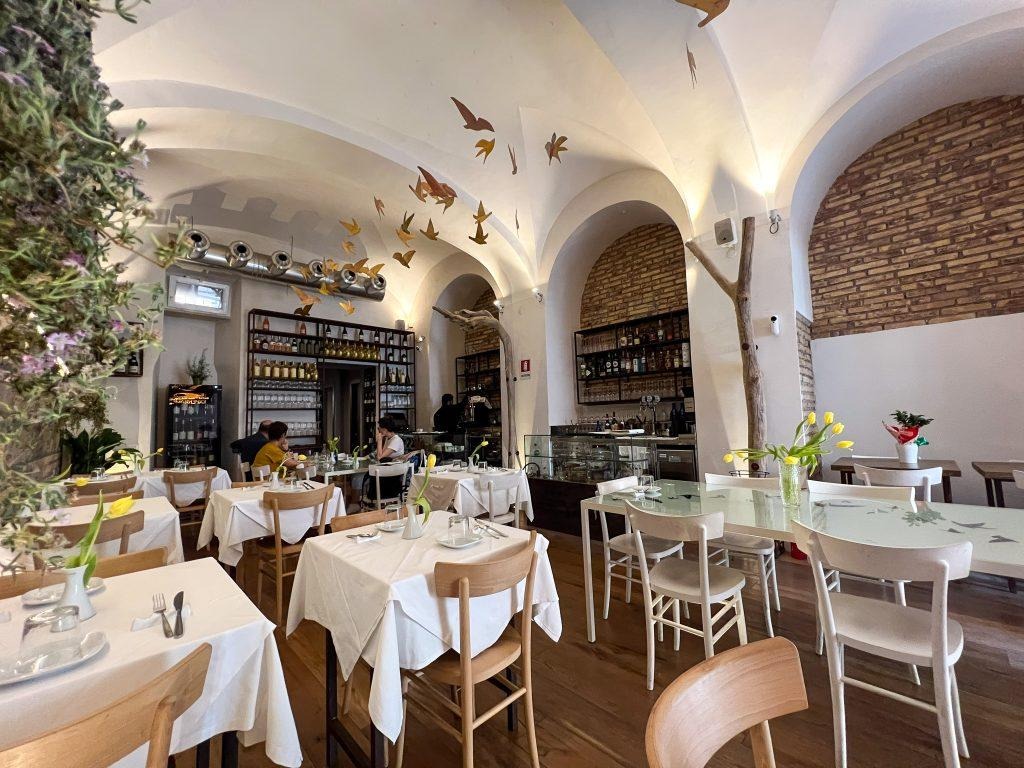
New Food Experience is an upscale, modern Italian restaurant specialising in 100% gluten free cuisine, located in the Prati neighborhood, close to the Vatican Museums. It combines traditional Roman and Italian flavors with creative, contemporary dishes.
Vatican Museums / Gallery of Maps
A full restaurant option in Prati. Allow roughly 10–20 minutes from the Vatican Museums entrance, depending on the route.
Gluten Free San Pietro
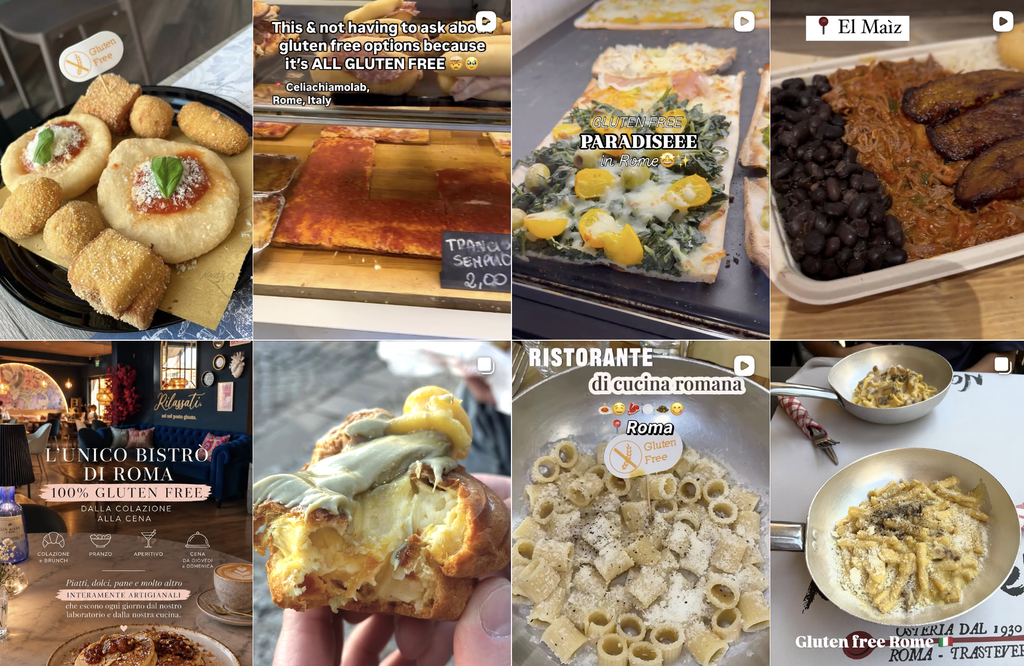
Gluten Free San Pietro is a small, cosy, 100% gluten free Italian restaurant located just a short walk from St. Peter’s Basilica in the Vatican area of Rome. It specialises in traditional Italian and Roman comfort food, with a menu featuring gluten free pasta, lasagna, risotto and homemade desserts, including tiramisu. Reviews frequently praise the generous portions, reasonable prices and the welcoming chef owner, who prepares dishes with care. It’s a lovely option for a relaxed lunch or dinner after visiting the Vatican.
St. Peter’s Basilica / Square
Restaurant option for a meal after visiting the basilica. Approximately 5–15 minutes from the basilica area.
Address: Via Bonifacio VIII 21
Celiachiamo Lab

A dedicated gluten free bakery, deli and supermarket
Celiachiamo Lab is a fantastic stop for people with coeliac disease. It combines a 100% gluten free bakery and food preparation laboratory with a specialist shop selling thousands of packaged gluten free products. Everything produced in its dedicated kitchen is made without gluten, with no shared production with gluten containing foods.
Vatican Museums / Gallery of Maps
Gluten free shop and bakery style stop, useful for picking up food. Approximately 10–20 minutes from the museum entrance.
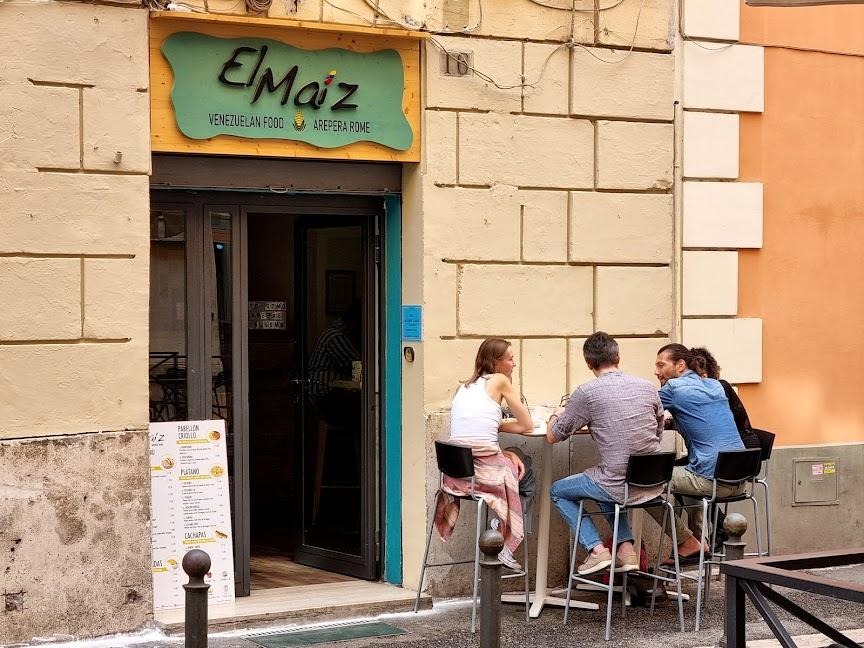
El Maíz – Roma Prati
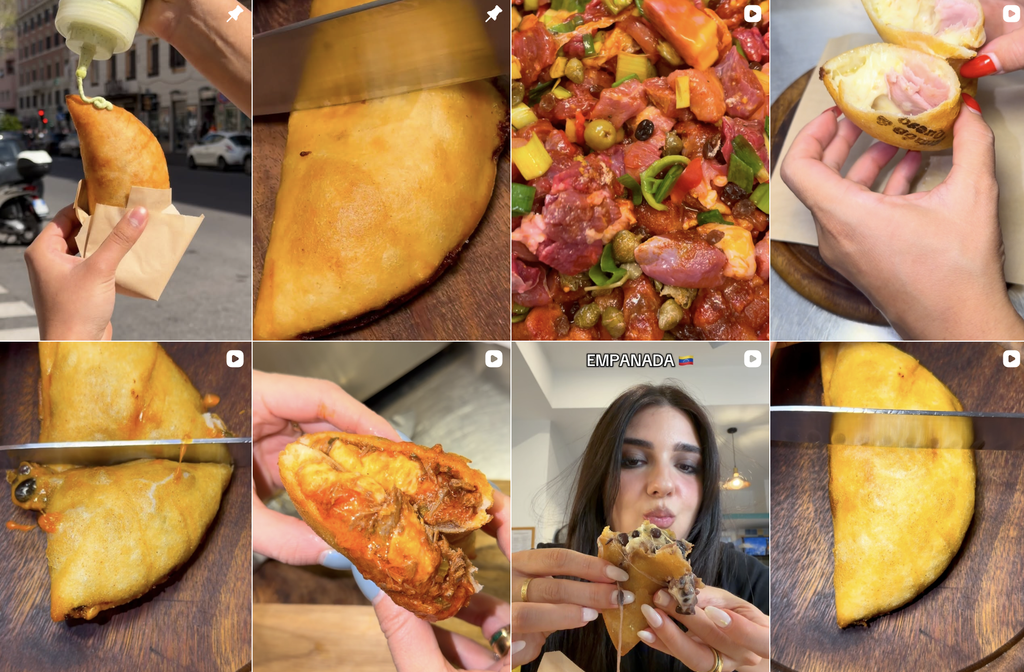
A 100% gluten free Venezuelan street food restaurant
El Maíz is a small, informal restaurant in Rome’s Prati neighbourhood, close to the Vatican. It serves authentic Venezuelan comfort food made primarily with corn and plantains, offering a delicious alternative to the usual Italian pizza and pasta. The entire food menu is gluten free, making it an excellent choice for people with coeliac disease
Vatican Museums / northern Prati
Venezuelan food, including arepas. Approximately 10–20 minutes from the museums area.
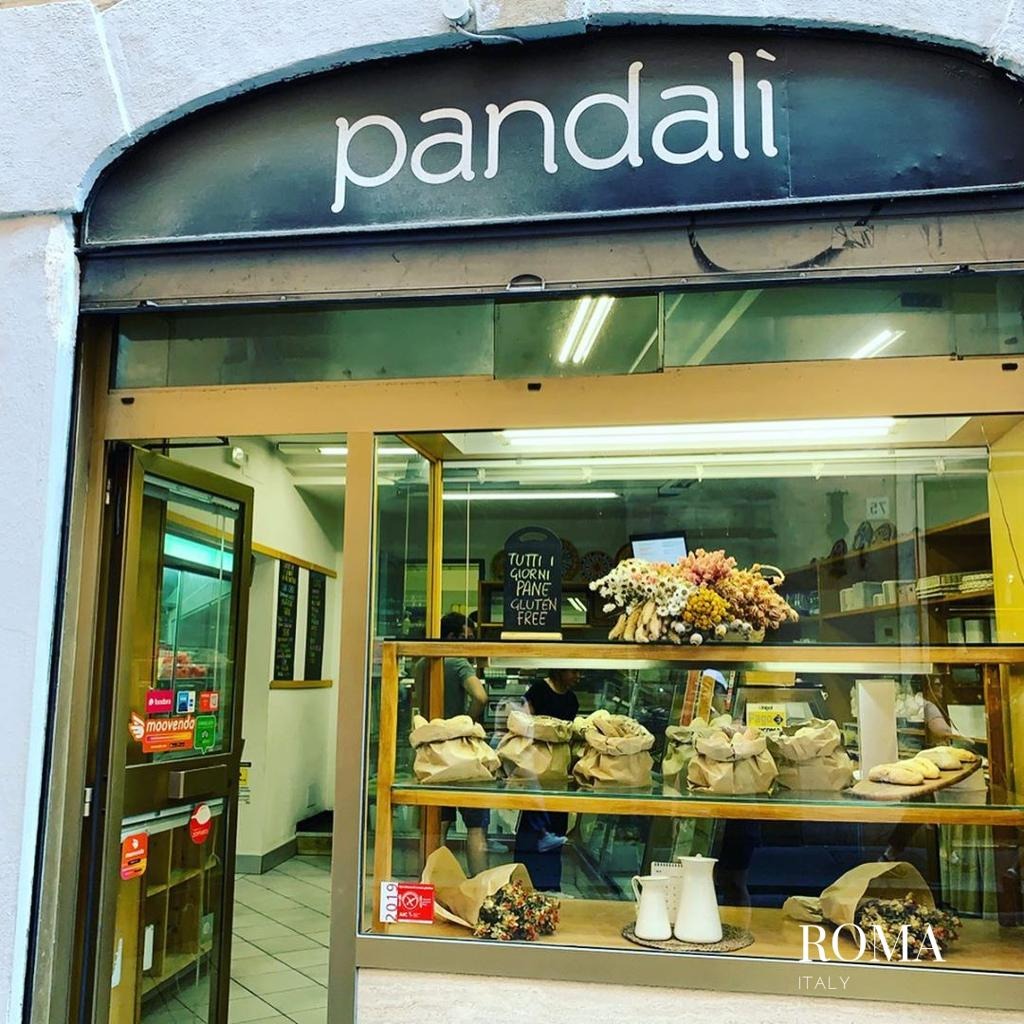
Pandalì
A 100% gluten free bakery, café and casual lunch spot
Pandalì is an artisan bakery and café in Rome’s historic centre, close to the Pantheon and Largo di Torre Argentina. It specialises in freshly prepared gluten free food made with alternative flours, including rice, corn, buckwheat and chickpea flour. The entire food offering is gluten free, making it a particularly useful stop for people with coeliac disease.
Pantheon / Piazza Venezia / historic centre
Bakery and takeaway. One of your most useful central stops for a breakfast, snack or lunch.
Address: Via di Torre Argentina 3
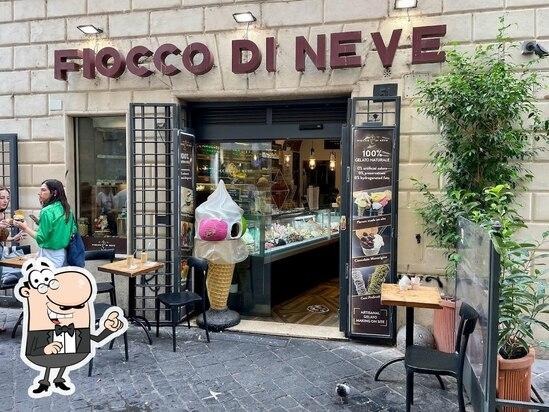
Fiocco di Neve
A 100% gluten free artisan gelateria and dessert café
Fiocco di Neve is a small, popular gelateria just steps from the Pantheon in Rome’s historic centre. It specialises in creamy Italian gelato, with a wide selection of flavors and freshly made gluten free cones. The shop is reported to be entirely gluten free, so visitors with coeliac disease can enjoy both the ice cream and cones without the usual concerns about gluten cross contact
Pantheon / Chiesa di Santa Maria Maddalena
A handy gelato stop close to the Pantheon. Allow approximately 1–5 minutes from the Pantheon.
Risotteria Melotti Roma
A 100% gluten free Italian risotto restaurant
Risotteria Melotti is a dedicated gluten free restaurant near Piazza Navona in Rome’s historic centre. Part of the Melotti family’s rice producing business from Verona, the restaurant specialises in traditional northern Italian risotto and creative rice based dishes. Its menu is 100% gluten free, from starters to desserts, making it a particularly appealing option for travelers with coeliac disease.
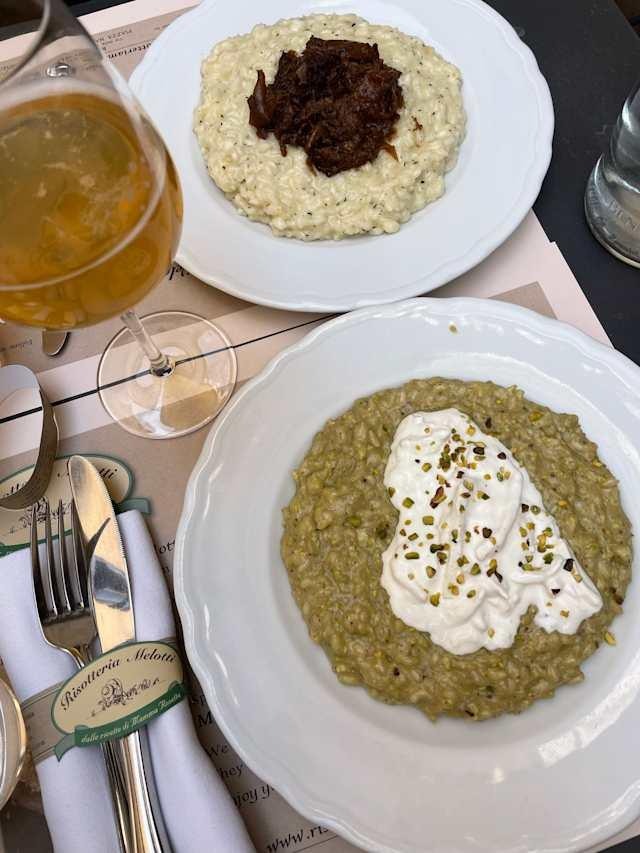
Piazza Navona / Castel Sant’Angelo
A rice focused restaurant option for a proper meal. Approximately 5–10 minutes from Piazza Navona.
Address: Via della Vetrina 12a/b
Gelato in Trevi
A dedicated 100% gluten free gelateria
Gelato in Trevi is an excellent dessert stop located just steps from the famous Trevi Fountain. This popular gelateria specialises in Italian artisan gelato, with a wide selection of flavors and gluten free cones and wafers. The entire offering is reported to be gluten free, making it a particularly appealing treat for travelers with coeliac disease who want to enjoy authentic Italian gelato without the usual concerns about gluten cross contact.
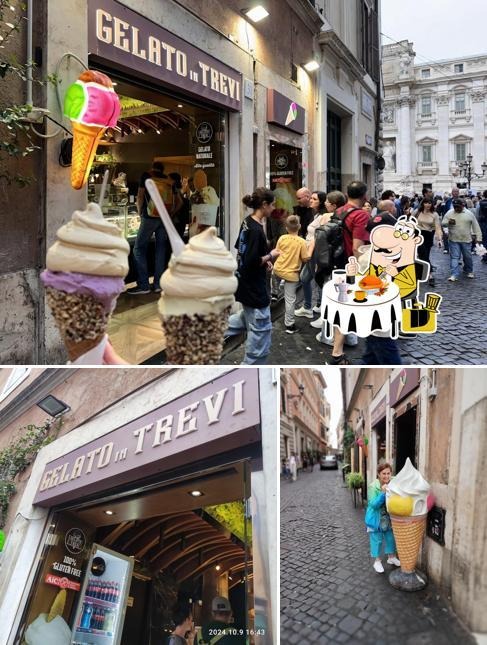
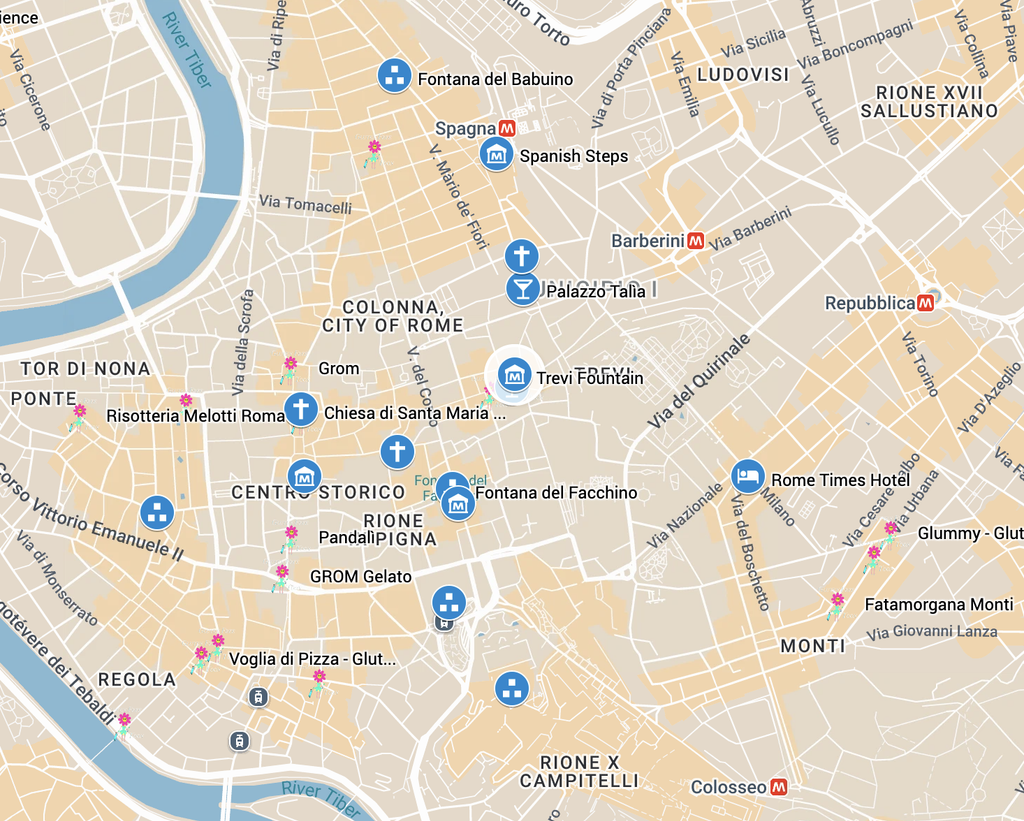
Trevi Fountain / Hotel Fontana
Convenient for a gelato stop right by the fountain. Approximately 1–5 minutes from Trevi Fountain.
Address: Via di San Vincenzo 31
Gelato G Italiano
A dedicated 100% gluten free artisan gelateria
Gelato G Italiano is a popular ice cream shop just a short walk from the Trevi Fountain in Rome’s historic centre. It offers creamy Italian gelato in a wide variety of traditional and creative flavors. The shop is reported to be entirely gluten free, including its gelato, cones and wafers, making it an excellent treat stop for travelers with coeliac disease.
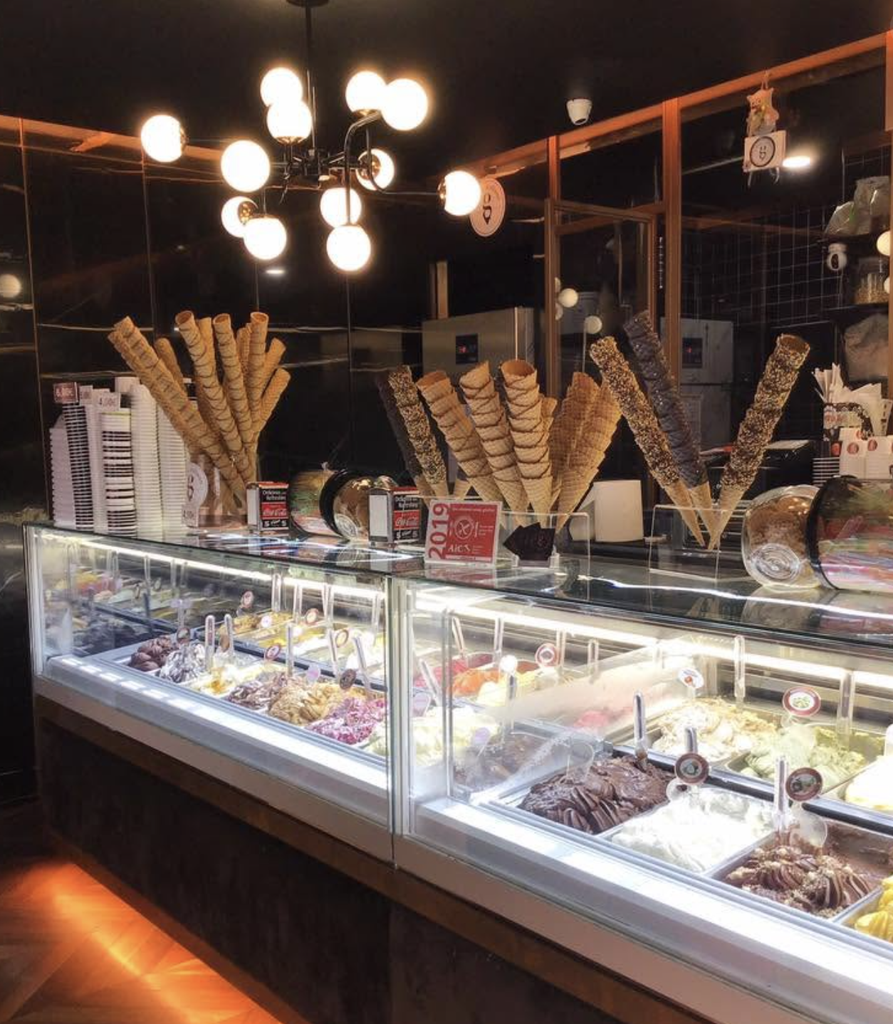
Trevi Fountain
Another nearby gelato stop. Approximately 2–5 minutes from the fountain.
Address: Via delle Muratte 18a/19
GROM – Piazza Navona
A gluten free gelateria with Italian artisan gelato
GROM is a well known Italian gelato chain, and its Piazza Navona location is ideally situated for a refreshing treat while exploring Rome’s historic centre. The company states that all its gelato flavors and gluten free cones are gluten free, and its gelaterias follow procedures verified by the Italian Coeliac Association (AIC). Unlike some of the dedicated gluten free gelaterias in Rome, GROM is a chain that also sells selected baked goods containing gluten at some locations, with separation procedures in place.
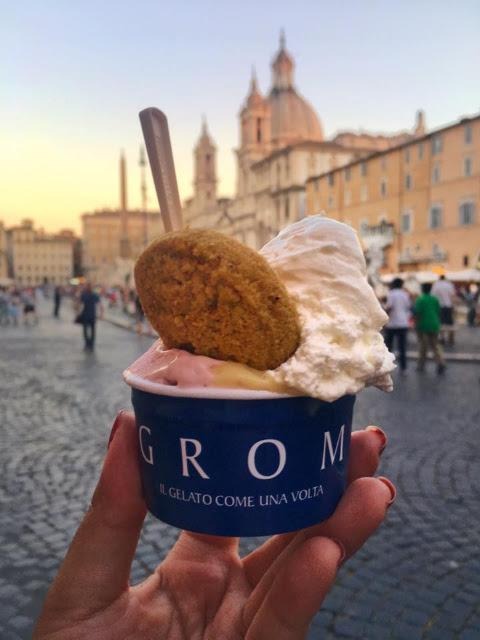
Piazza Navona / historic centre
An additional gelato stop from your website, directly by Piazza Navona. Confirm current branch details and preparation procedures before visiting.
Address: Piazza Navona 1, corner of Via Agonale
Glummy – Gluten Free Delights
A dedicated 100% gluten free bakery and takeaway
Glummy is a specialist gluten free bakery in Rome’s Monti neighbourhood, near Via Cavour and within walking distance of the Colosseum. It offers Italian sweet and savoury favourites made without gluten, making it a great stop for coeliac travelers looking for freshly baked treats or a quick bite between sightseeing.

Colosseum / Roman Forum / Palatine Hill
Useful for the ancient Rome sightseeing cluster. Approximately 10–20 minutes from the Colosseum, depending on the entrance and route.
Grezzo Raw Chocolate
A 100% gluten free, vegan raw chocolate patisserie and gelateria
Grezzo Raw Chocolate is a specialist dessert shop founded in Rome in 2014. It creates innovative, plant based desserts using organic ingredients and raw food techniques, keeping preparation temperatures below 42°C. All its products are gluten free, and the company states that its laboratory is free from cross contamination. Its menu is also designed to be dairy free and vegan, making it an excellent choice for coeliac travellers looking for something beyond traditional Italian pastries.
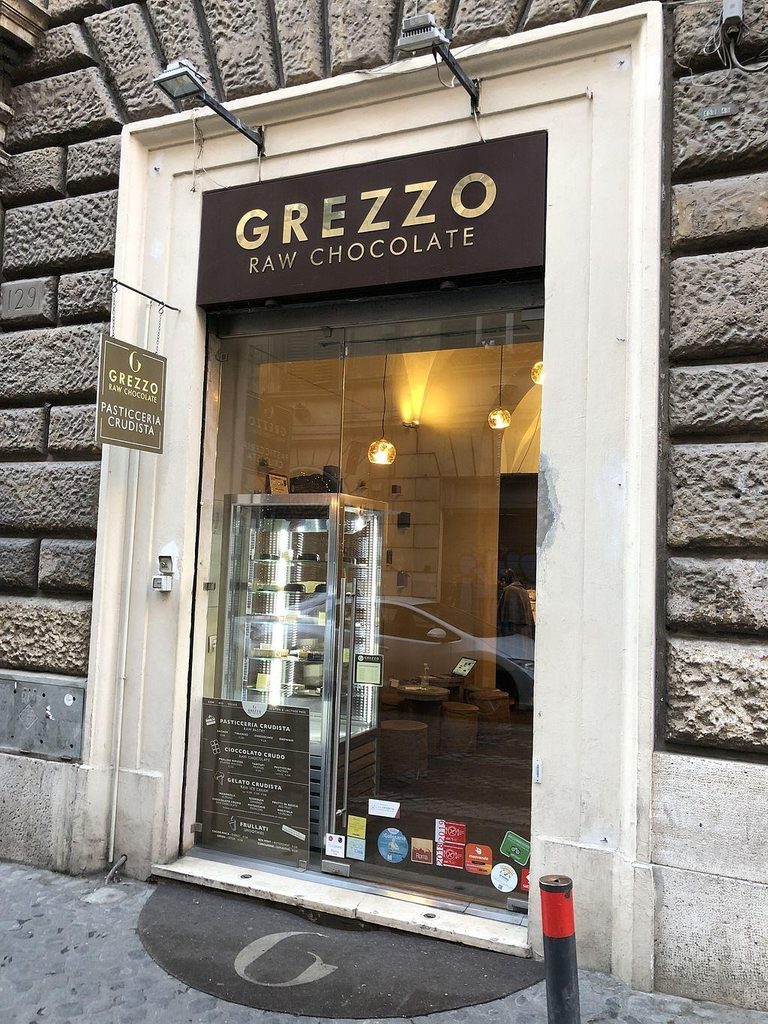
Colosseum / Roman Forum / Monti
A sweet treat stop around the Monti area, useful before or after ancient Rome sightseeing.
The easiest way to organize your sights is by geographical cluster. Your Vatican day is west of the centre; the Pantheon, Piazza Navona and Trevi Fountain are in the historic centre; and the Colosseum, Forum and Aventine sights are to the south and southeast.
Best central bakery stop: Pandalì
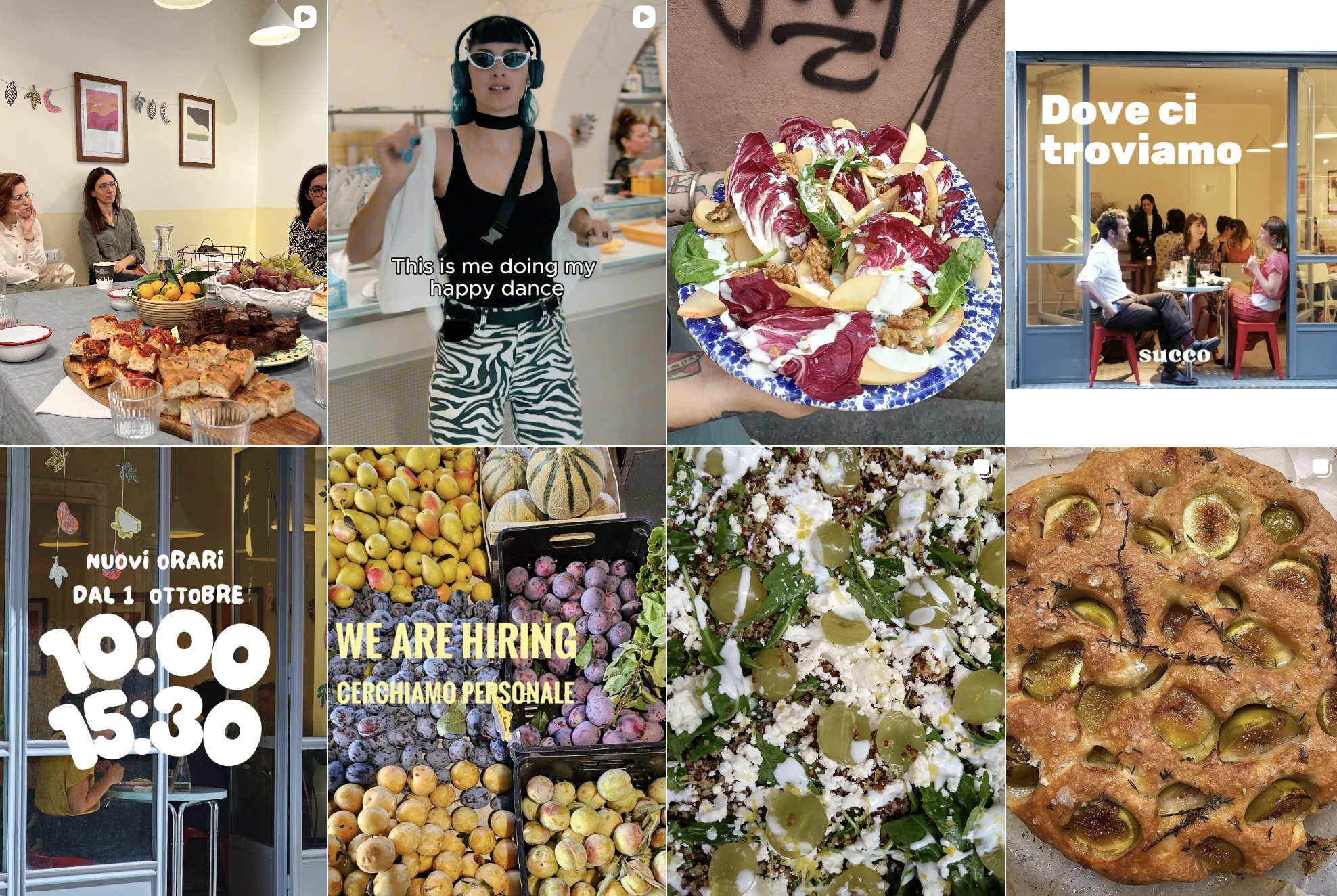
Ideal for the Pantheon, Piazza Venezia and central Rome. I’d make this one of your planned food stops rather than searching for something spontaneously. Address: Via di Torre Argentina 3
Best Vatican-area meal: New Food Experience

Plan a proper meal around your Vatican Museums visit, with Celiachiamo Lab as an alternative for takeaway or shopping. Address: Via Germanico 190
Glummy
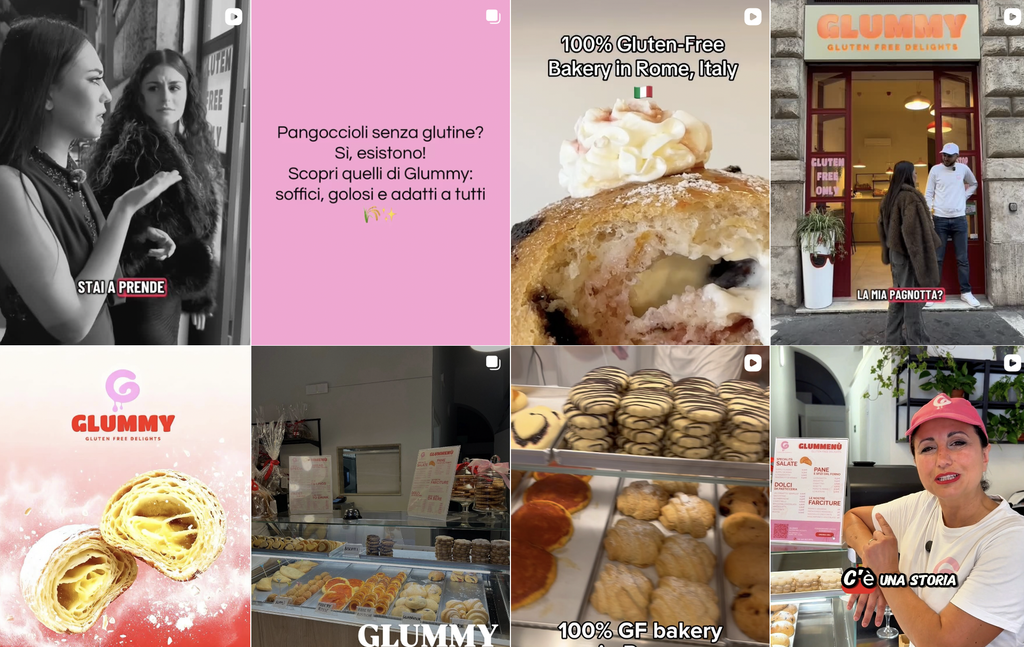
https://deliveroo.it/en/menu/roma/roma-centro/glummy-gluten-free-delights-via-urbana-142
Best Piazza Navona meal: Risotteria Melotti
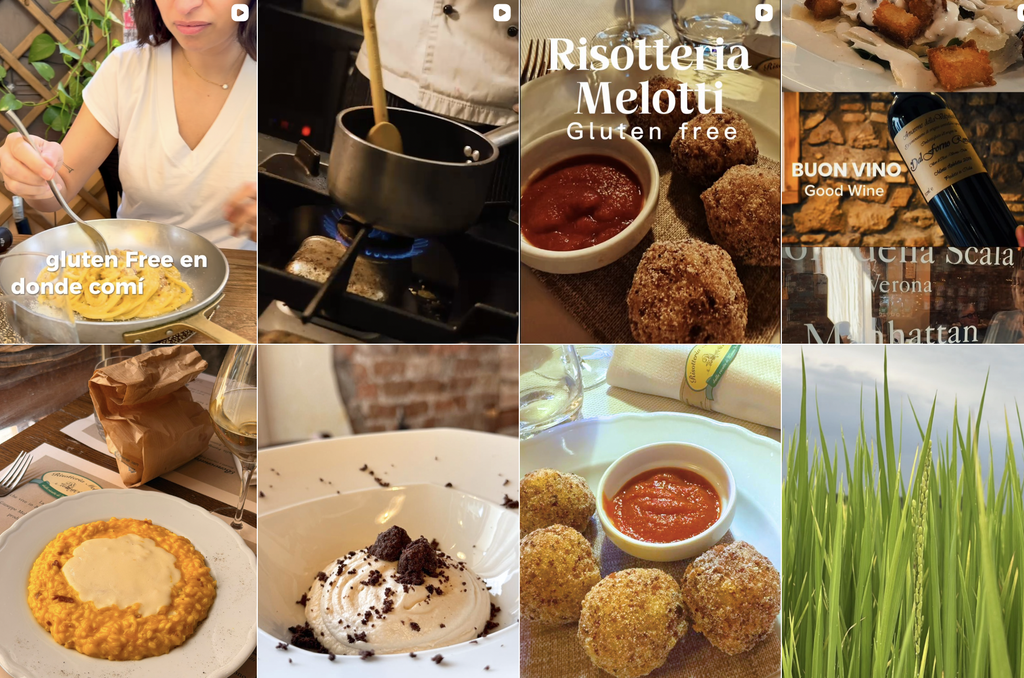
A good candidate for your late afternoon or evening meal after the Pantheon and historic centre.
Two things to check before you go
- Walking times: Rome’s narrow streets, crowds, park entrances and the large Vatican and Forum sites can add considerable time.
- Celiac safety: because you follow a strict gluten free diet, confirm that each establishment is still operating at the listed address and that its current preparation practices meet your needs. Your website’s title alone isn’t enough to independently establish the current status of every location or chain branch.
Other Gluten Free Not Within Reasonable Distance of Sights but may be close to your accommodations.
These are also listed on your Rome page, but they’re farther from the main sightseeing clusters or are branch specific alternatives.
| Establishment | Address | Best use |
| Napoleoni Gluten Free | Via Appia Nuova 590 | Alternative bakery stop in the Appia area; not convenient for central sightseeing |
| Erudito Burger Bar | Largo di S. Luca Evangelista 4/5 | Burger meal in the eastern part of Rome |
| L’Oasi Celiaca | Via Tor de’ Schiavi 394/A | Bakery/shop option farther east |
| Ristorante Quinoa Roma | Via Giuseppe Avezzana 35 | Meal option in the Prati area |
| Sans De Blé | Via Corinto 76 | Bakery option south of the centre |
| Gluten Free Roma | Via Montebuono 37 | Alternative farther-north location |
| La Pasticciera | Via Varese 43 | Bakery option near Termini |
| Grezzo Raw Chocolate | Piazza Mattei 14 | Alternative to the Monti branch for the historic centre |
| Grezzo Raw Chocolate | Piazza Euclide 39 | Alternative location farther north |
| GROM – Corso Vittorio | Corso Vittorio II, 69 | Useful for the historic centre |
| GROM – Termini | Termini Station | Convenient on arrival or departure |
| GROM – Flaminio | Piazzale Flaminio 16 | Useful near the northern city centre |
| GROM – Ottaviano | Via Ottaviano 76 | Alternative near the Vatican |
| GROM – other shopping centres | Euroma2, Porta di Roma, Maximo | Only useful if you visit those areas |
Exploring Rome in Four Clusters
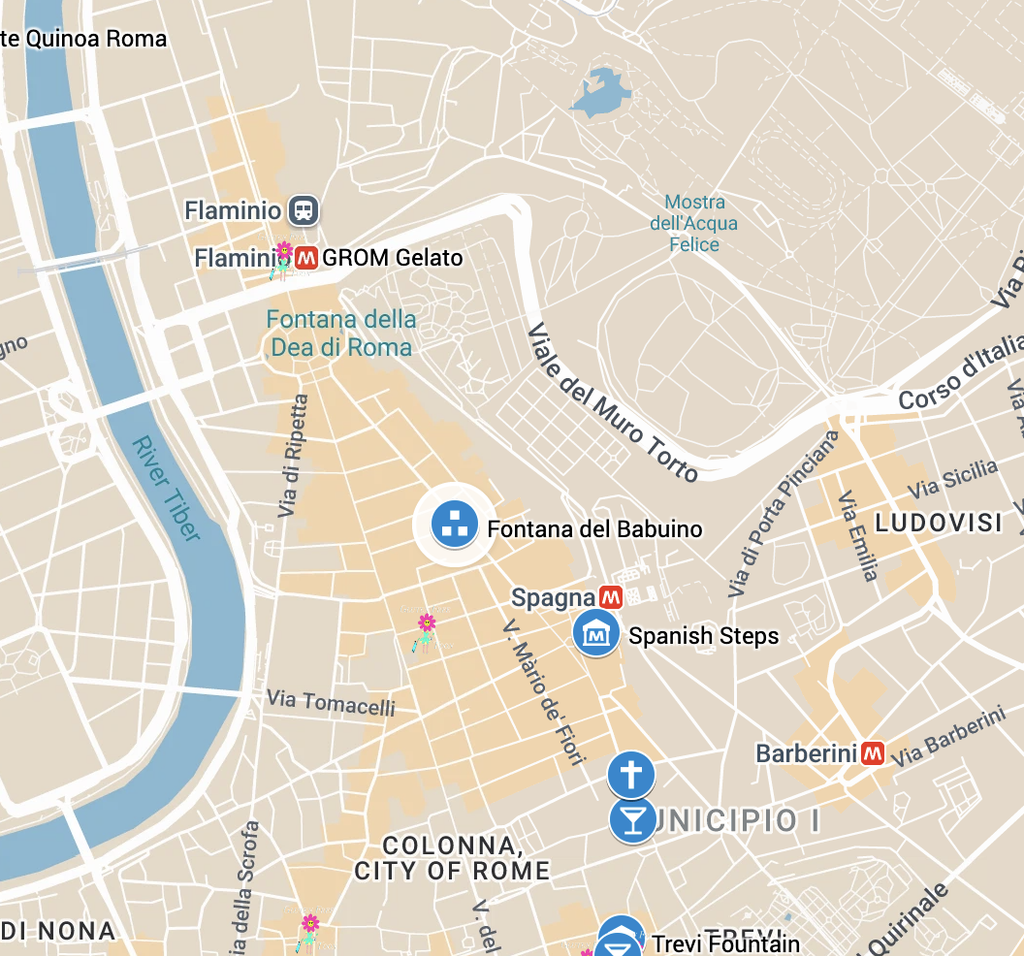
To make exploring Rome easier and help you make the most of your time, we have divided the city’s main attractions into four geographical clusters: Clusters A, B, C, D and E. Each cluster groups together sights that are close to one another, allowing you to explore each area efficiently without spending unnecessary time travelling back and forth across the city. By visiting the attractions within one cluster on the same day, you can enjoy a more relaxed sightseeing experience, with nearby gluten free restaurants, cafés and bakeries highlighted along the way. Use the clusters as a guide to plan your days, save time and discover the best of Rome at your own pace.
Cluster A — Central historic Rome
Fontana del Babuino – Pass By
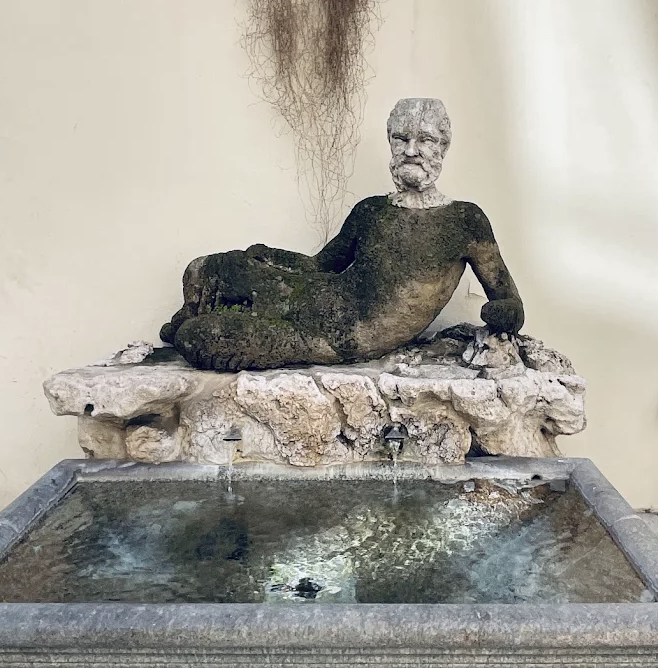
The Fontana del Babuino, or Baboon Fountain, is one of Rome’s quirky historical landmarks, tucked away along Via del Babuino, a famous street connecting Piazza del Popolo with Piazza di Spagna. The fountain features a statue of a reclining, bearded figure that Romans thought resembled a baboon, giving it its unusual name. Created in the 16th century, it became one of Rome’s celebrated “talking statues,” where locals once posted anonymous satirical messages and political criticism. As you explore this elegant neighbourhood, keep an eye out for the fountain nestled among the historic buildings and fashionable shops. It’s a small but fascinating stop that offers a glimpse into Rome’s lively history and local character.
Spanish Steps
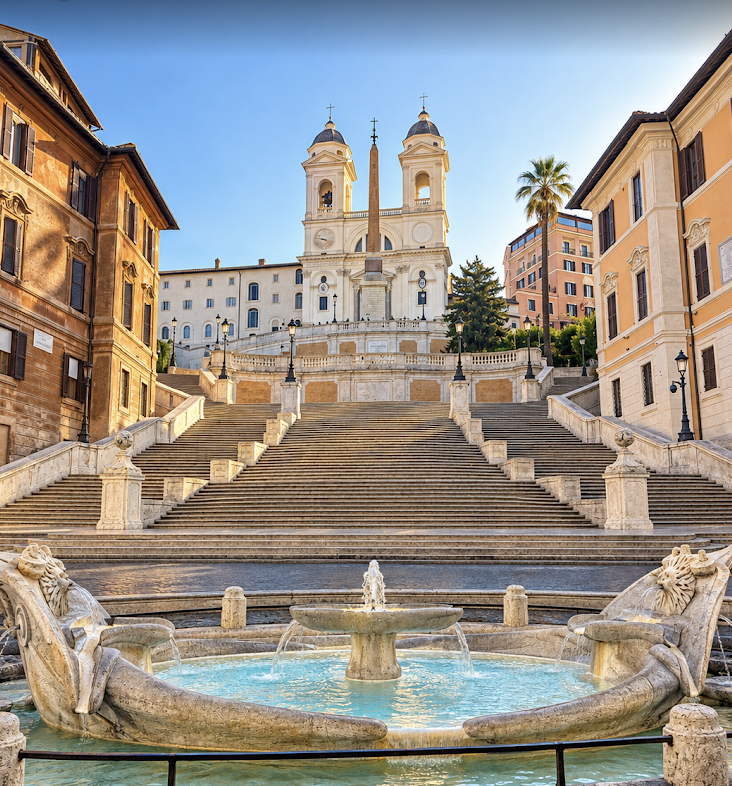
The Spanish Steps are one of Rome’s most famous landmarks, connecting Piazza di Spagna at the bottom with the beautiful Trinità dei Monti church at the top. Built between 1723 and 1725, this elegant staircase of 135 steps was designed to link the Spanish Square with the French church above. At the foot of the steps, you’ll find the charming Fontana della Barcaccia, a boat shaped fountain designed by Pietro Bernini and his son Gian Lorenzo Bernini. The area has long been a favourite meeting place for visitors and locals alike, surrounded by luxury boutiques, historic streets and cafés. Climb to the top for lovely views over the rooftops of Rome, and take a moment to enjoy the atmosphere of this beautiful part of the city. The Spanish Steps are particularly lovely in spring, when the staircase is traditionally decorated with colourful azaleas.
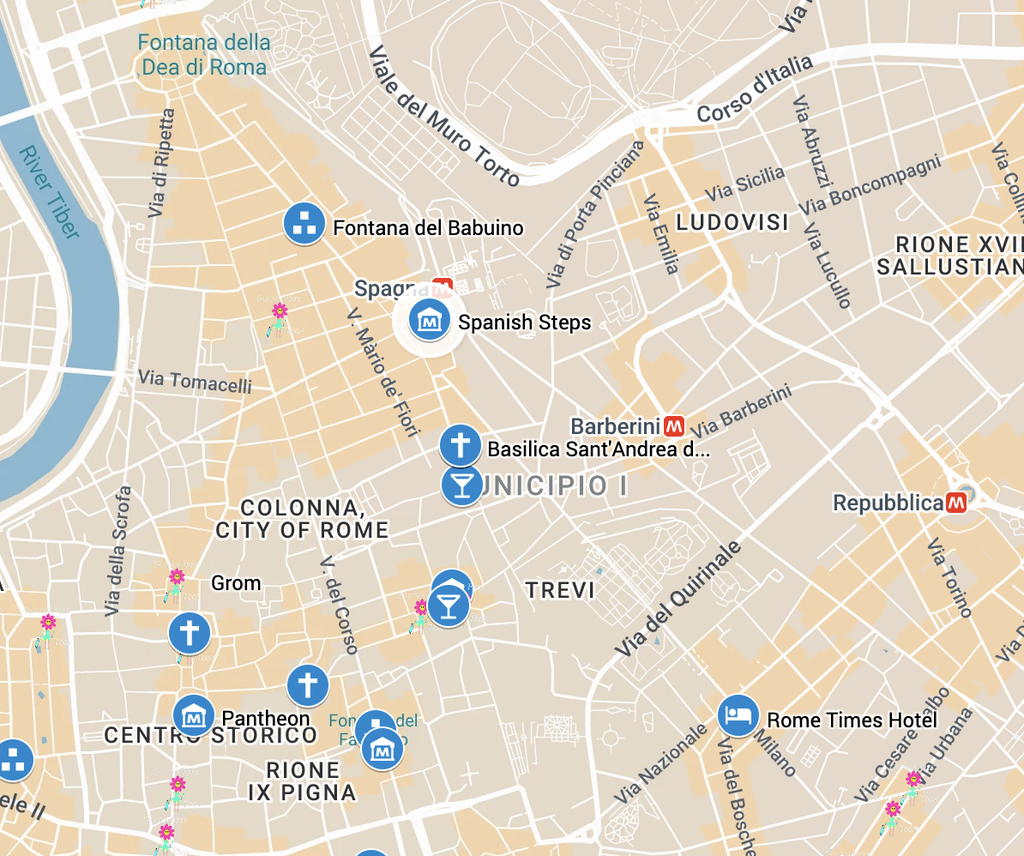
Over from the Spanish Steps
Basilica Sant’Andrea delle Fratte
Just a short walk from the Spanish Steps, the Basilica of Sant’Andrea delle Fratte is a beautiful church that offers a quieter escape from Rome’s busy shopping streets. Dating back to the 17th century, the basilica is particularly famous for its two striking angel sculptures by Gian Lorenzo Bernini, originally created for the Ponte Sant’Angelo bridge but kept here to protect them from the elements. These magnificent marble angels, holding symbols of Christ’s Passion, are among the church’s most treasured works of art. Inside, you’ll discover an impressive dome, elegant architecture and a peaceful atmosphere that invites you to pause and admire the details. The church is also associated with the miraculous conversion of Marie Alphonse Ratisbonne in 1842, an event that made it an important pilgrimage site. It’s a wonderful hidden gem to include in your Rome itinerary, especially if you appreciate art, history and places away from the busiest tourist crowds.
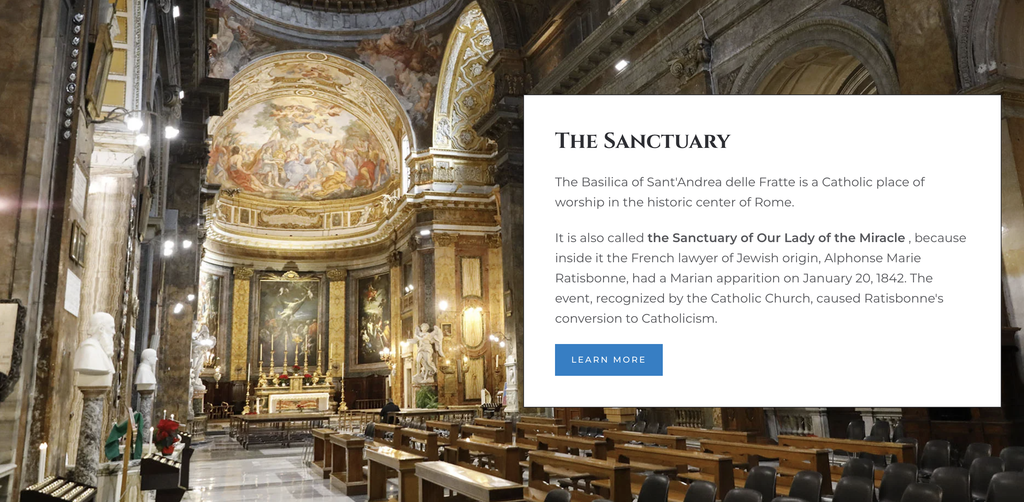
In Rome, between the central Piazza di Spagna and the famous Trevi Fountain, lies the
Basilica of Sant’Andrea delle Fratte , one of the most beautiful and historic churches in the Eternal City, governed by the Minims of San Francesco di Paola since 1585.
The Angels
On either side of the High Altar are two large marble statues of angels bearing instruments and symbols of the Passion of Our Lord. Taller than life-size, the two statues are the originals that the artist sculpted at the age of seventy to decorate the Ponte Sant’Angelo, commissioned by Pope Clement IX. These were part of the ten angels Bernini designed for the bridge, but only these two were executed by him, while the others were entrusted to his students. The Pope deemed it inappropriate for these masterpieces to remain exposed to the ravages of time and left them in the artist’s studio for his nephew, Cardinal Jacopo Rospigliosi. They then passed into the ownership of the artist’s heirs until 1731, when they were generously donated by Prospero Bernini, the Cavaliere’s nephew, to the church of Sant’Andrea delle Fratte.
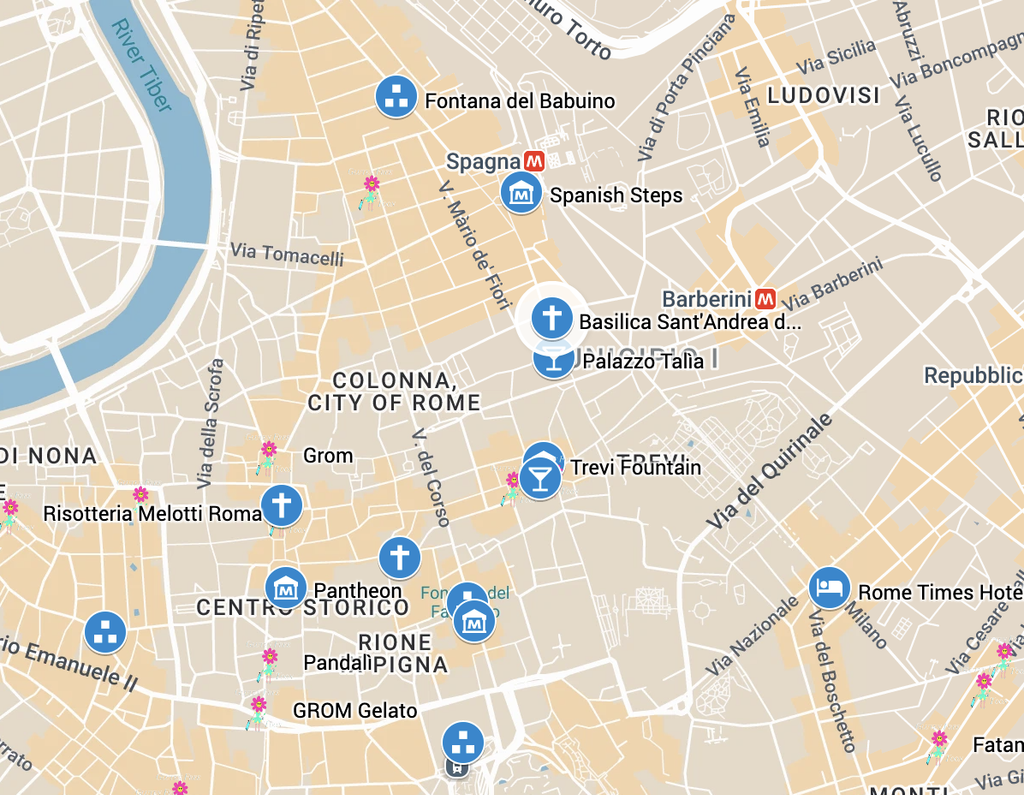
Basilica Sant’Andrea delle Fratte – Free Entry
Trevi Fountain
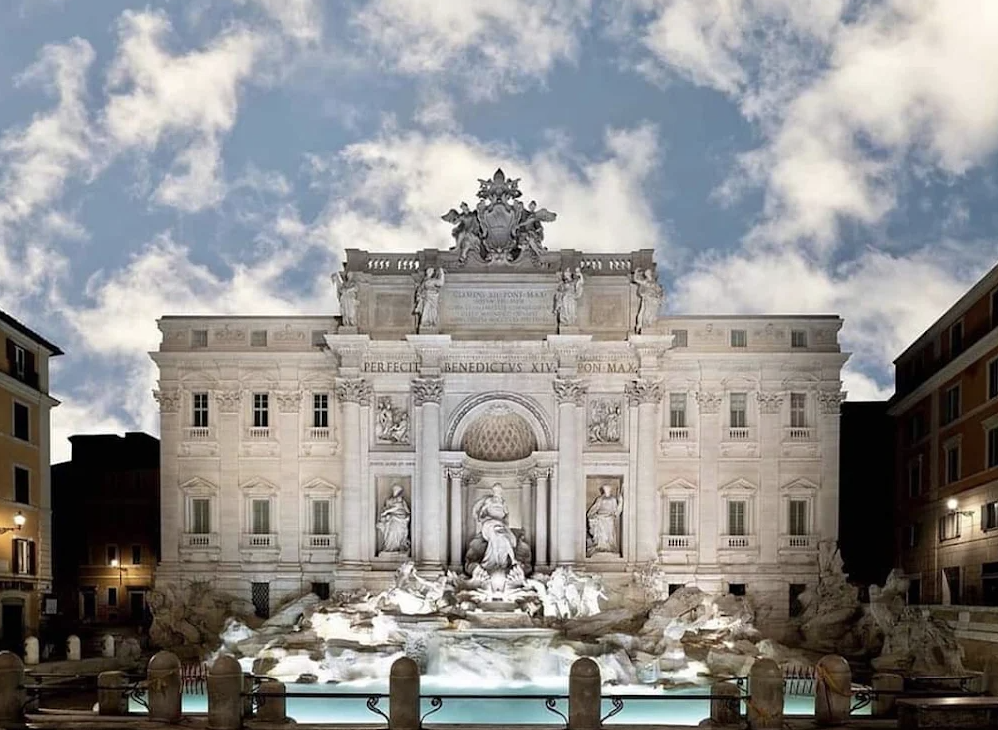
The Trevi Fountain is one of Rome’s most spectacular landmarks and a must see on any visit to the Eternal City. Completed in 1762 and designed by architect Nicola Salvi, this magnificent Baroque masterpiece stands at the junction of three roads, which is believed to be the origin of its name, Trevi. The fountain depicts Oceanus, the god of all water, riding a shell shaped chariot pulled by sea horses and guided by Tritons, surrounded by dramatic sculptures and cascading water. According to tradition, tossing a coin over your left shoulder into the fountain with your right hand ensures that you’ll return to Rome one day. Millions of visitors take part in this ritual every year, with the coins collected and donated to charity. Visit early in the morning to enjoy the fountain with fewer crowds, or return after dark when its beautiful lighting creates a magical atmosphere. Remember to admire the intricate details from different angles, as this extraordinary monument is just as impressive up close as it is from across the square.
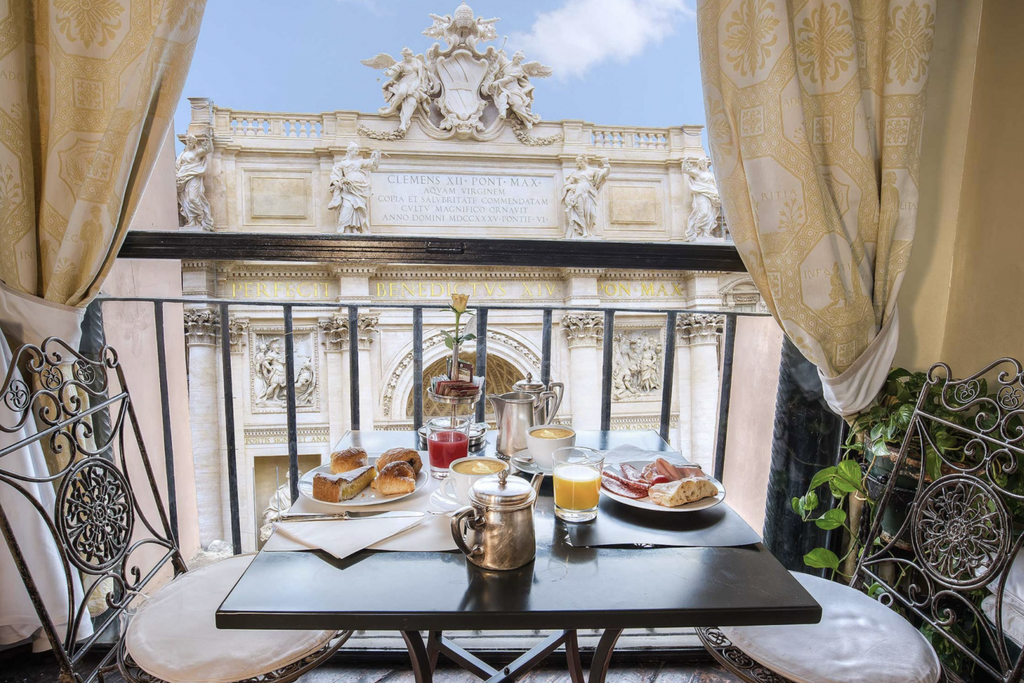
Hotel Fontana – 25 Euros gives you access to this view the Trevi Fountain with a cocktail.
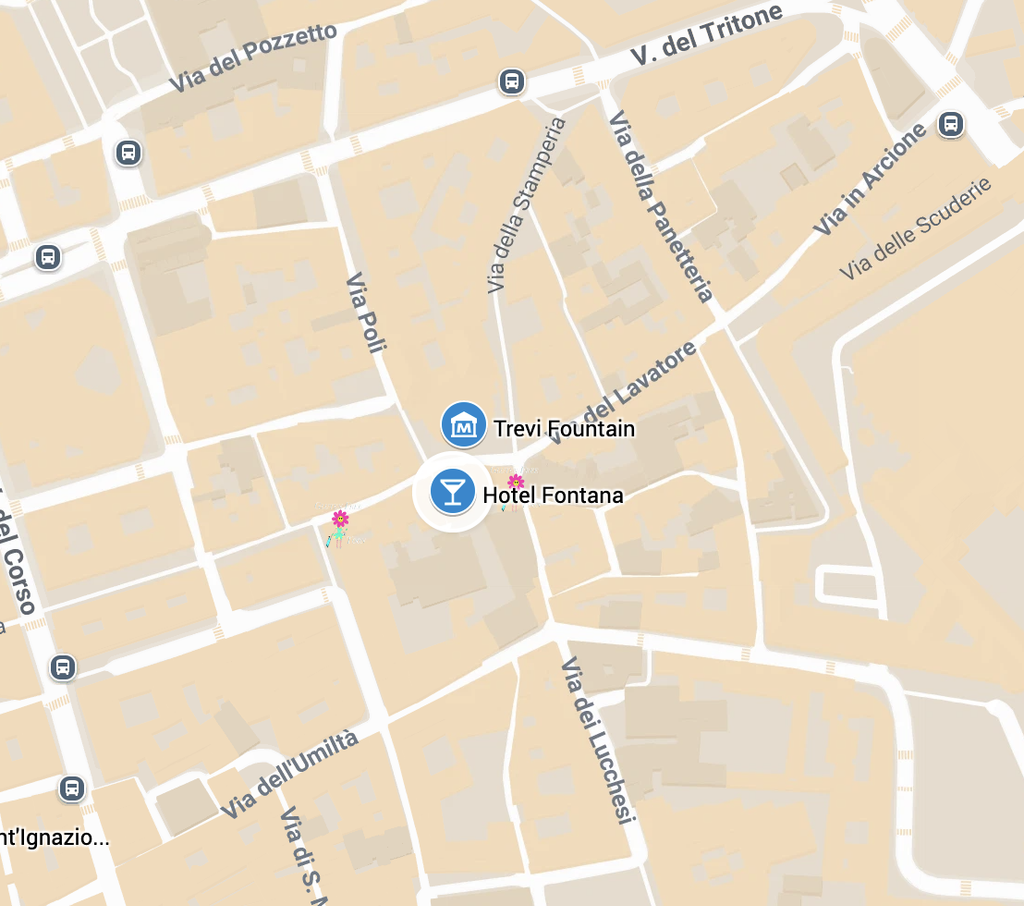
Vicus Caprarius – The Water City Close to the Trevi Fountain
Everyone knows the famous Trevi Fountain, but less well-known is the underground passage that extends beneath the Trevi district.
The underground archaeological area of Vicus Caprarius – the City of Water – is part of this intricate maze of ancient remains : the structures of an imperial-era domus, the castellum aquae of the Virgo Aqueduct and the evocative finds (including the famous face of Alexander the Great) brought to light during the renovation of the former Trevi Cinema.
On a journey back in time, you’ll be able to experience Rome’s millennia-old stratification firsthand and observe the archaeological evidence of the major events that have shaped the city’s history, from the construction of the Aqua Virgo to Nero’s fire, from Alaric’s sack to the siege of the Goths.
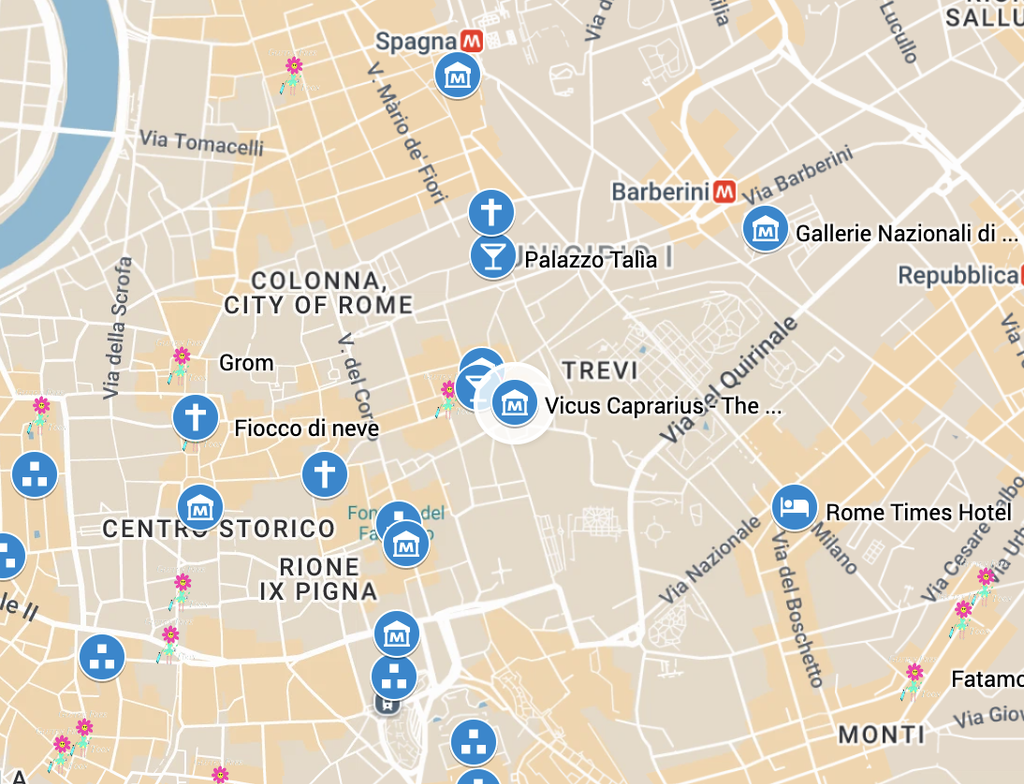
Chiesa di Sant’Ignazio di Loyola – Free Entry
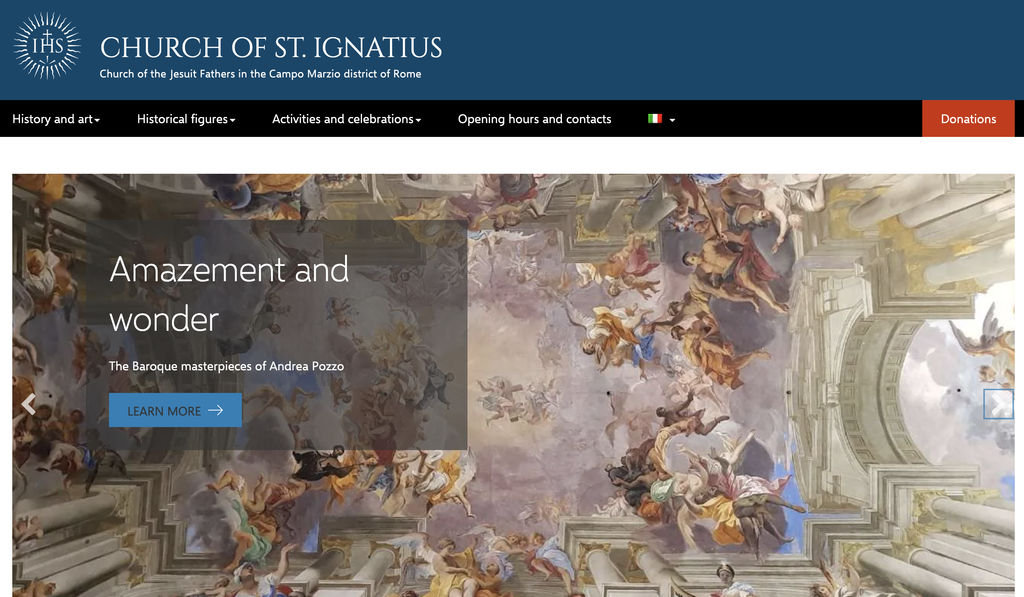
The Church of Sant’Ignazio di Loyola is one of Rome’s most extraordinary hidden treasures, famous for its breathtaking ceiling frescoes and remarkable optical illusions. Built in the 17th century in honour of Saint Ignatius of Loyola, the founder of the Jesuit order, this Baroque church is a masterpiece of art and architecture. The highlight is the enormous ceiling painting by Andrea Pozzo, which creates the astonishing illusion of a soaring dome and heavenly figures, even though the church has a flat ceiling in that section. Look for the circular marble disc on the floor that marks the ideal spot to stand to appreciate the illusion at its best. You’ll also find a second optical illusion in the painted dome, which appears three dimensional from a particular viewpoint. Best of all, entry is generally free, making this an unforgettable stop for art lovers, architecture enthusiasts and anyone curious about Rome’s artistic ingenuity. Take your time looking up, as the incredible detail is easy to miss if you simply walk through.
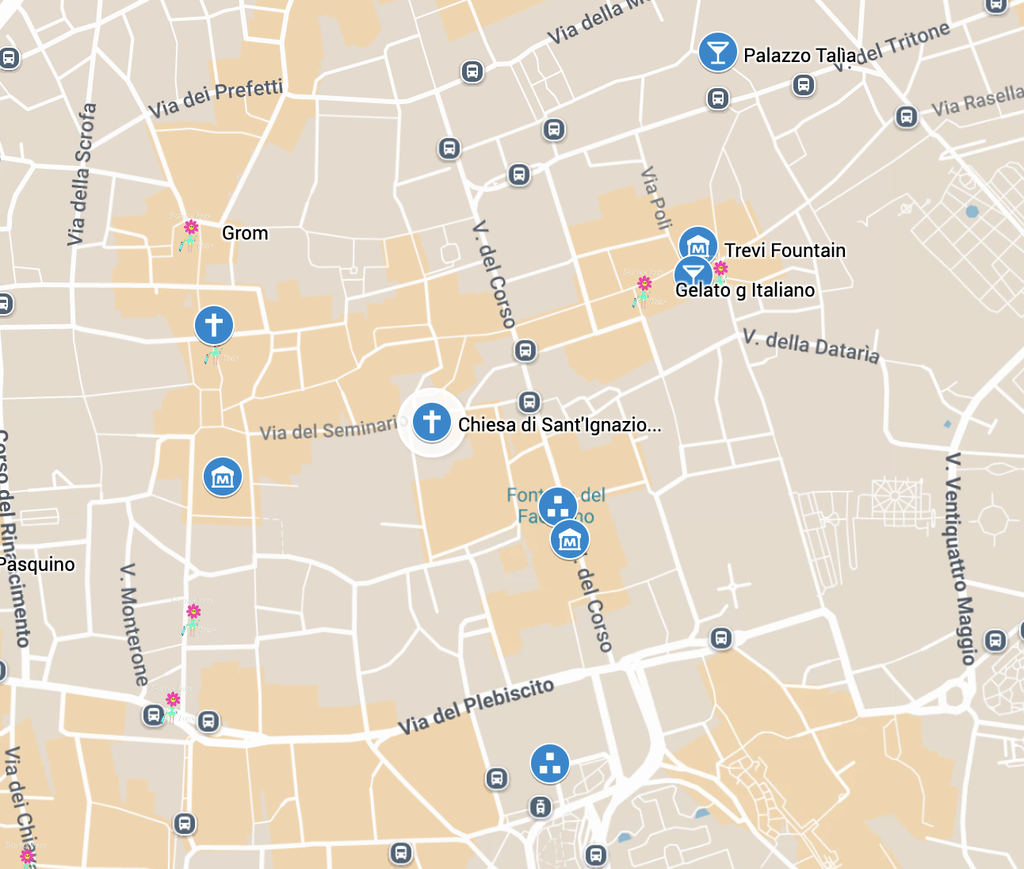
Santa Maria Maddalena – Free Most Days
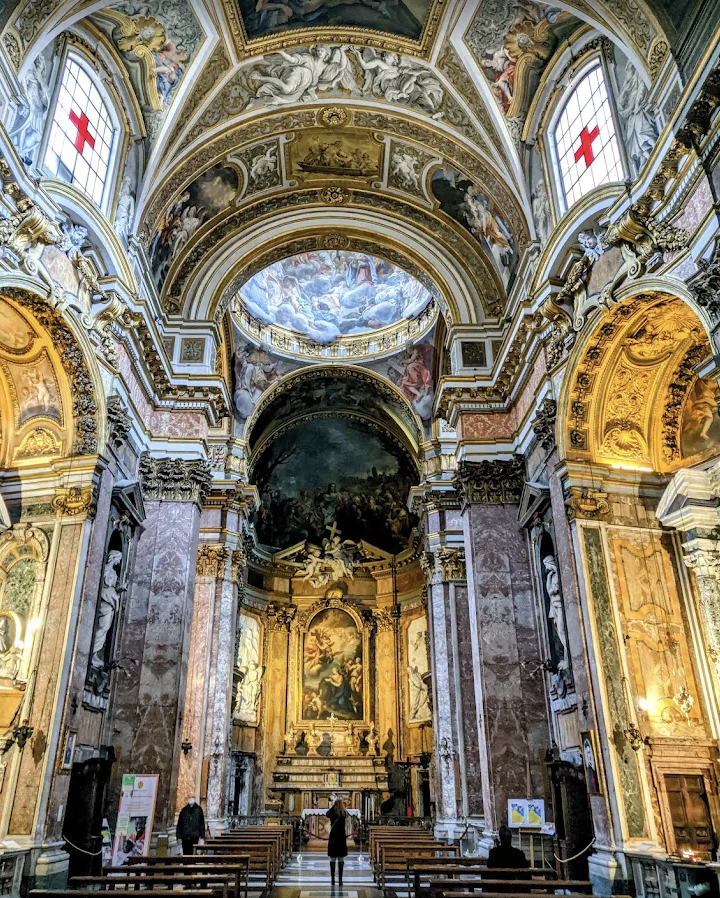
The Church of Santa Maria Maddalena is a beautiful Baroque church tucked away on a quiet street near the Pantheon. Dating back to the Middle Ages, the church was later transformed during the 17th and 18th centuries into one of Rome’s finest examples of Rococo architecture, a style known for its elegant curves, decorative details and ornate interiors. Its striking façade features elaborate carvings and sculptural details that make it stand out from the surrounding buildings. Step inside to discover a richly decorated interior with colourful marble, intricate stucco work, beautiful frescoes and an impressive high altar. Despite its artistic beauty, the church is often overlooked by visitors rushing between Rome’s more famous attractions, making it a lovely place to pause and appreciate the city’s artistic and spiritual heritage. As you explore the historic centre, this peaceful stop is well worth a few minutes of your time.
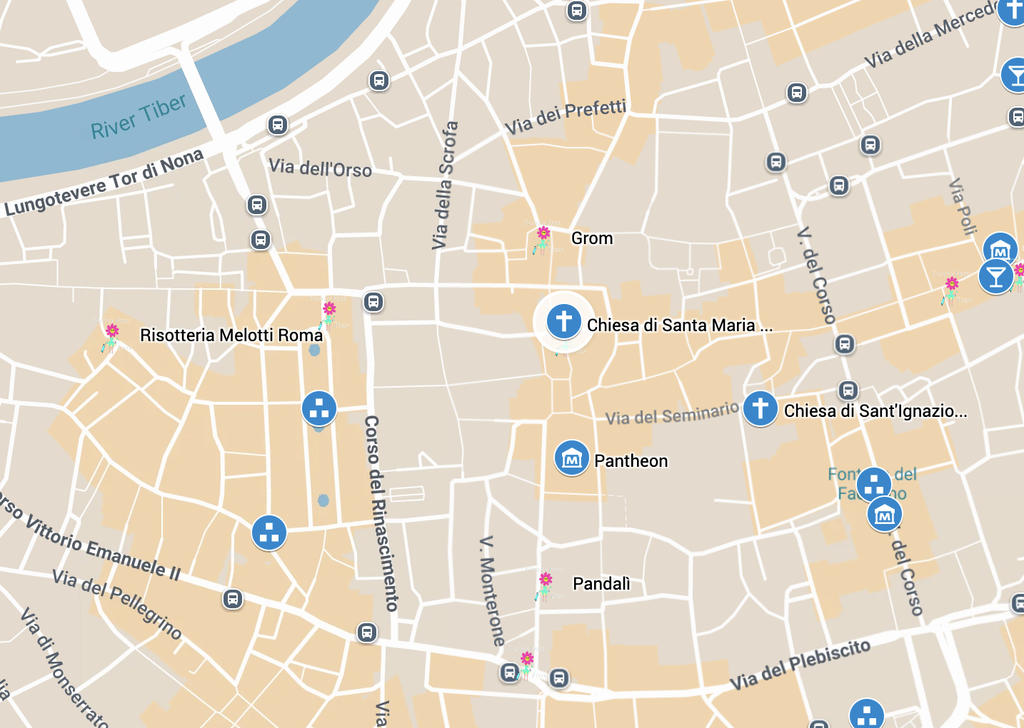
Pantheon
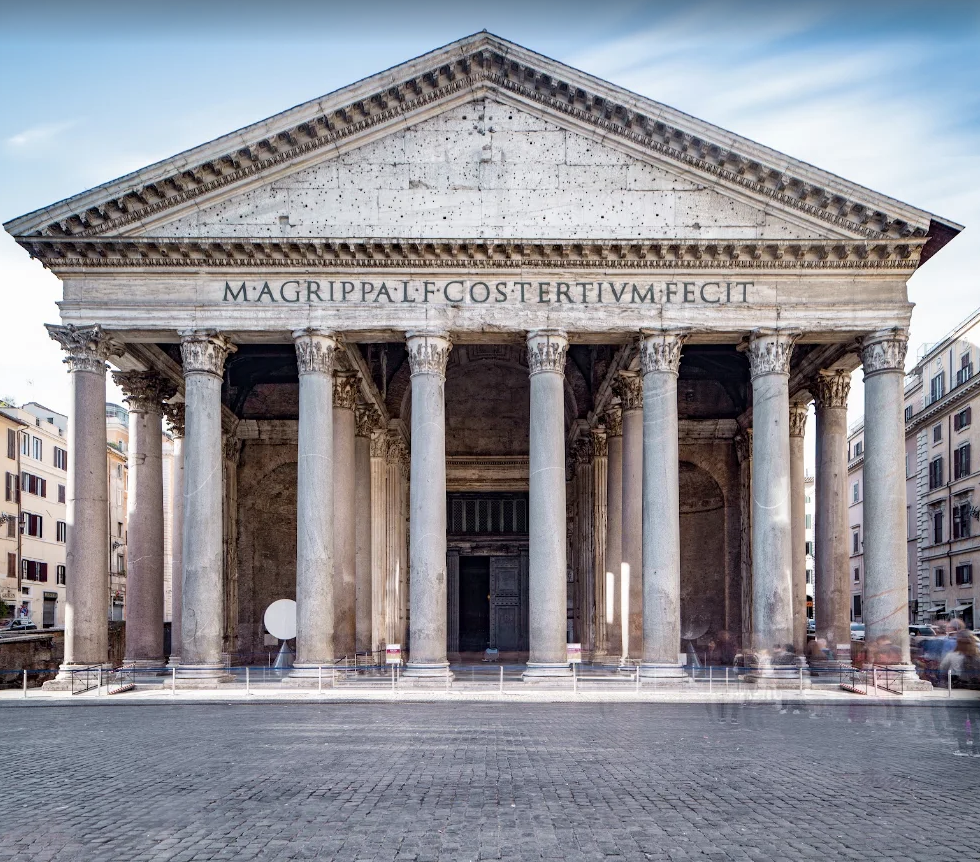
The Pantheon is one of Rome’s most remarkable ancient monuments and a must see for anyone interested in history, architecture and engineering. Originally built as a temple dedicated to the Roman gods, the building was reconstructed under Emperor Hadrian around 125 AD and has survived remarkably well for nearly 2,000 years. Its most striking feature is the enormous concrete dome, which remains one of the largest unreinforced concrete domes in the world. At its centre is the oculus, a circular opening that allows natural light to stream into the interior and creates a beautiful effect as the sunlight moves throughout the day. Rain can also enter through the opening, draining away through specially designed holes in the marble floor. Today, the Pantheon serves as a Catholic church and is the final resting place of several important figures, including the Renaissance artist Raphael and Italian kings Vittorio Emanuele II and Umberto I. Take time to admire the magnificent portico, supported by towering granite columns, before stepping inside to experience the extraordinary scale and symmetry of this ancient masterpiece. The Pantheon is now a ticketed attraction, so check the official entry requirements and book ahead if possible.
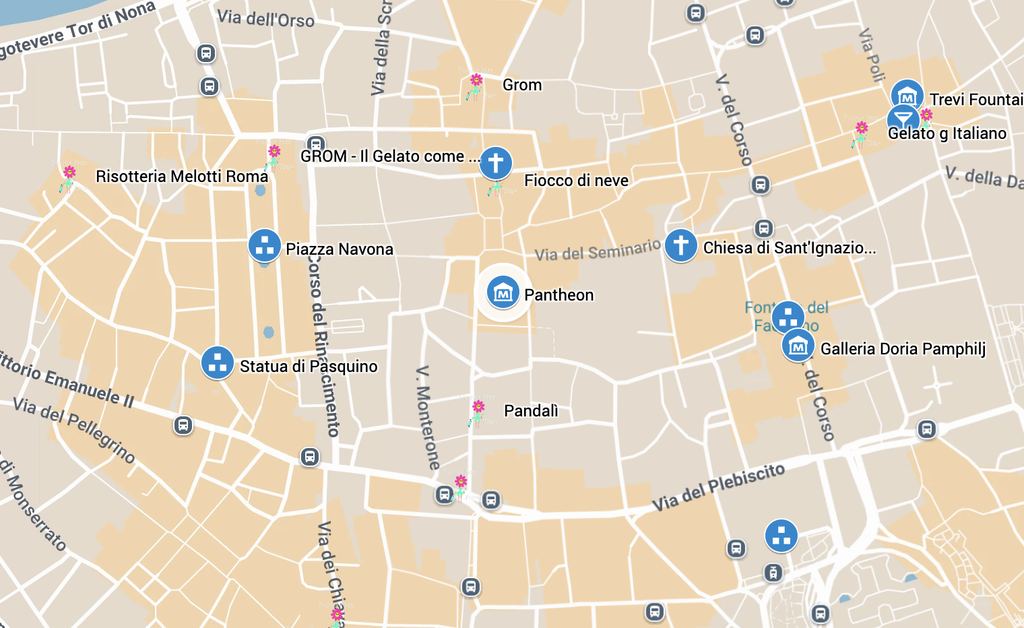
Church of the Most Holy Name of Jesus – Church of the Gesù
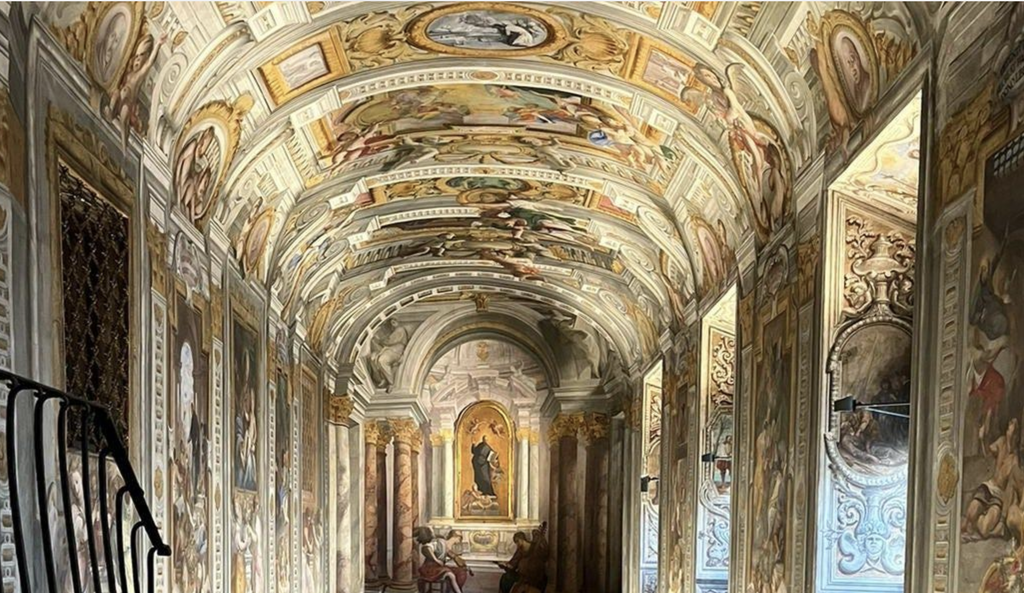
Piazza Navona
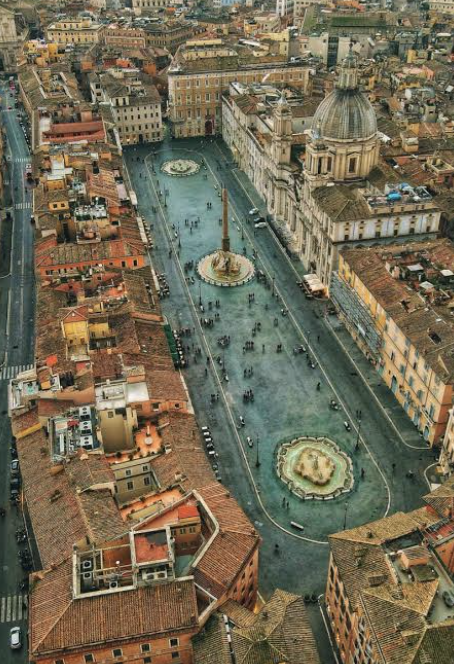
Piazza Navona is one of Rome’s most beautiful and lively squares, famous for its elegant Baroque architecture, impressive fountains and vibrant atmosphere. The piazza was built on the site of the ancient Stadium of Domitian, constructed in the 1st century AD for athletic competitions, and its distinctive elongated shape still reflects the outline of the original stadium. The square’s centrepiece is the magnificent Fountain of the Four Rivers, created by Gian Lorenzo Bernini in 1651. Its dramatic sculptures represent four great rivers from different continents: the Nile, the Ganges, the Danube and the Río de la Plata. At either end of the piazza, you’ll find two additional fountains, the Fountain of Neptune and the Moor Fountain. Dominating the western side is the beautiful Church of Sant’Agnese in Agone, designed in part by Francesco Borromini. Today, Piazza Navona is a wonderful place to soak up the atmosphere of Rome, with street artists, outdoor cafés and restaurants surrounding the square. Visit during the day to admire the architecture and fountains, or return in the evening when the illuminated buildings create a particularly magical setting.
Shopping
Statua di Pasquino – Pass By
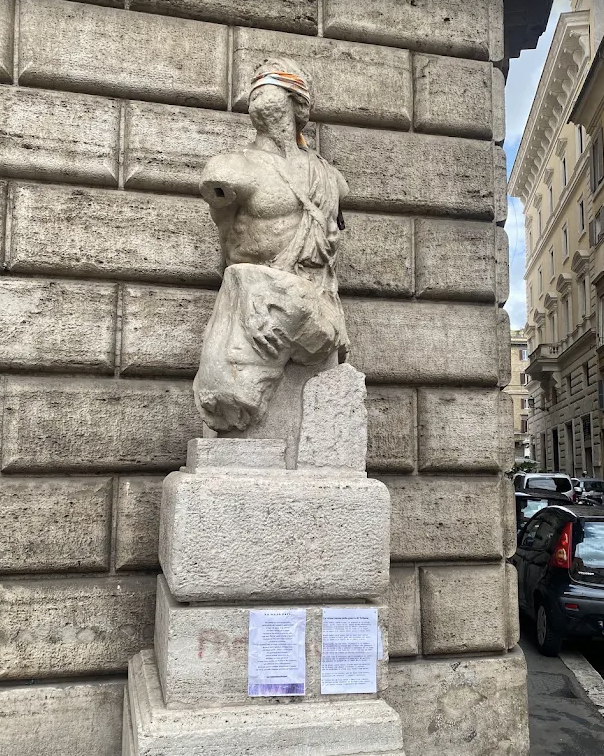
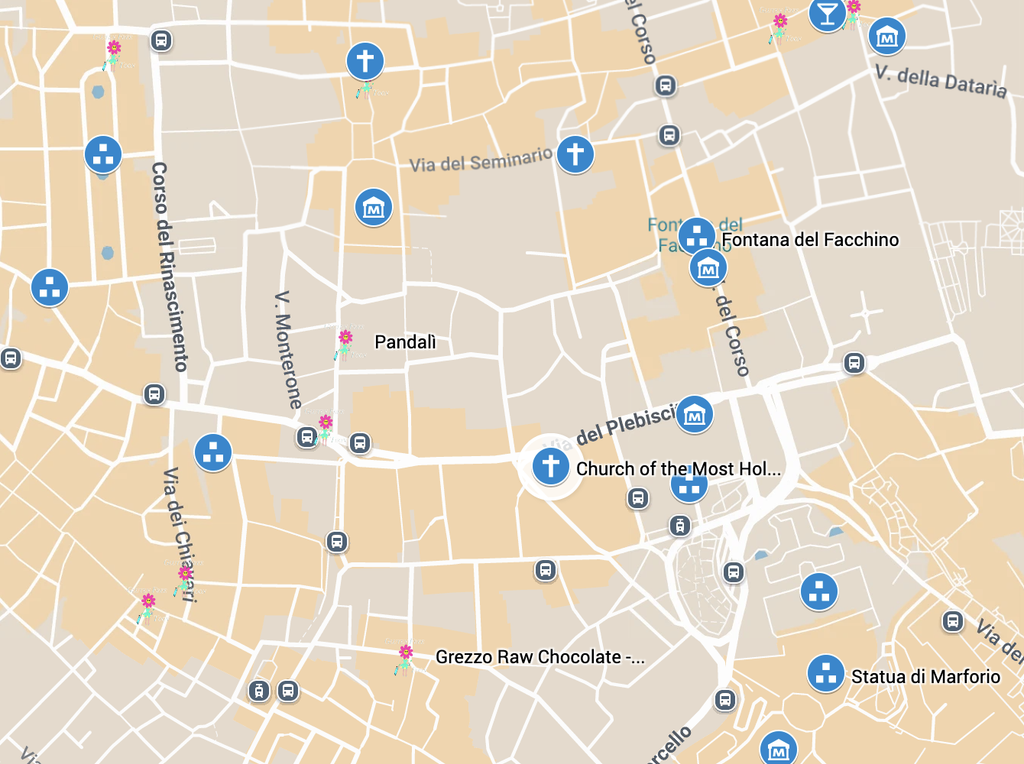
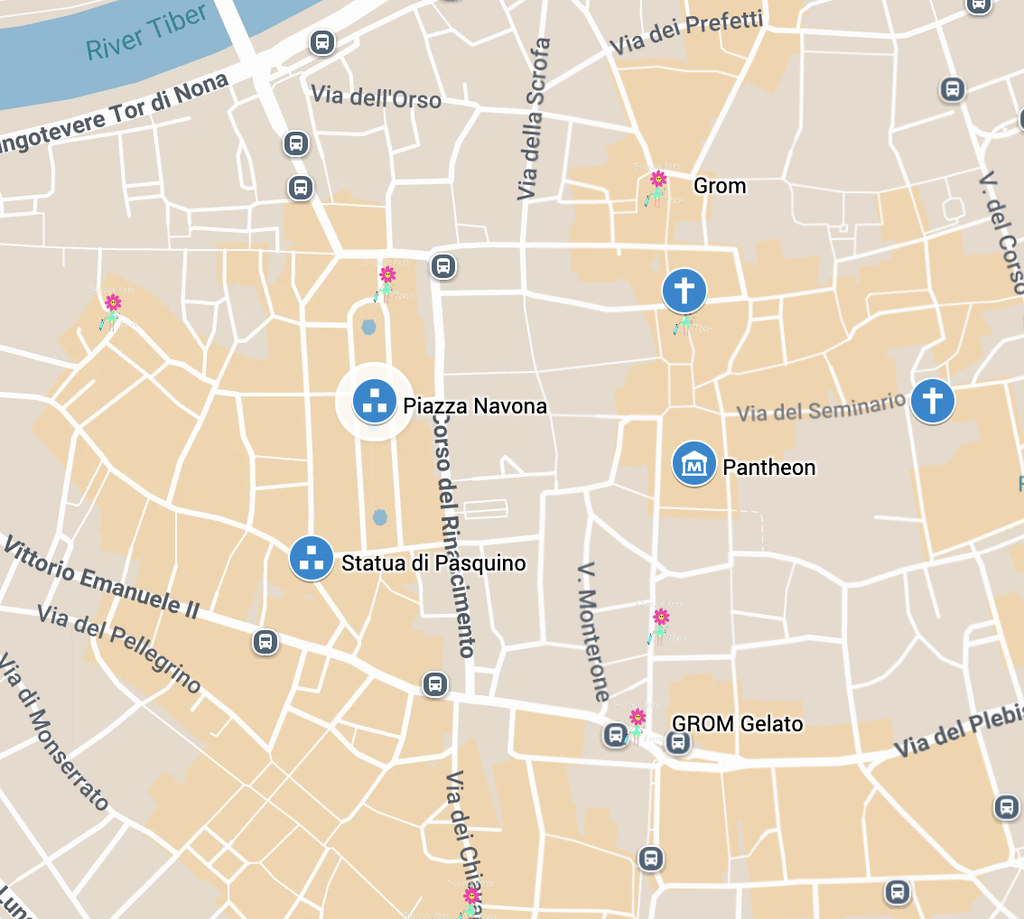
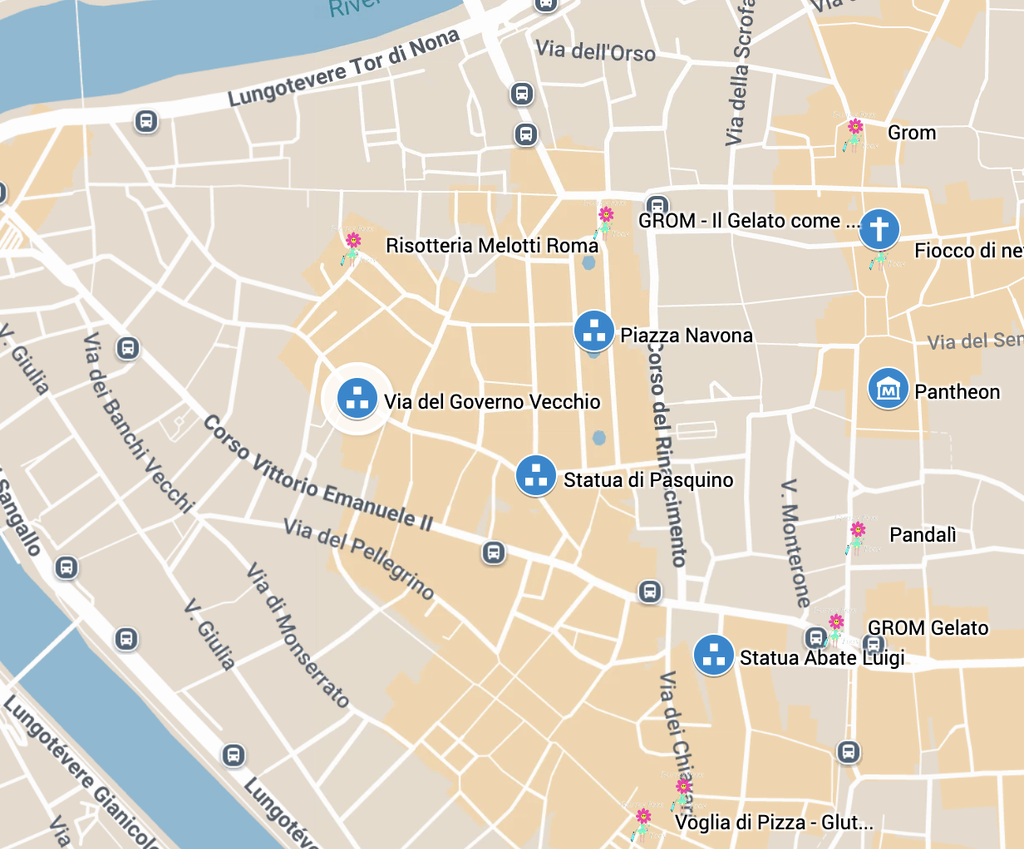
The Statue of Pasquino is one of Rome’s most unusual historical landmarks, offering a fascinating glimpse into the city’s tradition of satire and political commentary. Located in a small square near Piazza Navona, this weathered ancient marble statue dates back to the Hellenistic period and is believed to depict a figure from Greek mythology, although its exact identity remains uncertain. Its real fame began in the 16th century, when Romans started attaching anonymous poems, witty remarks and biting criticisms of politicians and powerful figures to the statue. These messages became known as pasquinades, allowing ordinary citizens to express their opinions and mock those in authority without revealing their identities. Pasquino became the most famous of Rome’s so called “talking statues,” a tradition that continued for centuries. Although the statue is now quite worn and easy to overlook, it remains an important symbol of Rome’s rebellious sense of humour and love of public debate. When visiting, take a moment to look at the statue and imagine the clever messages that once made this little corner of the city a centre of political gossip and protest.
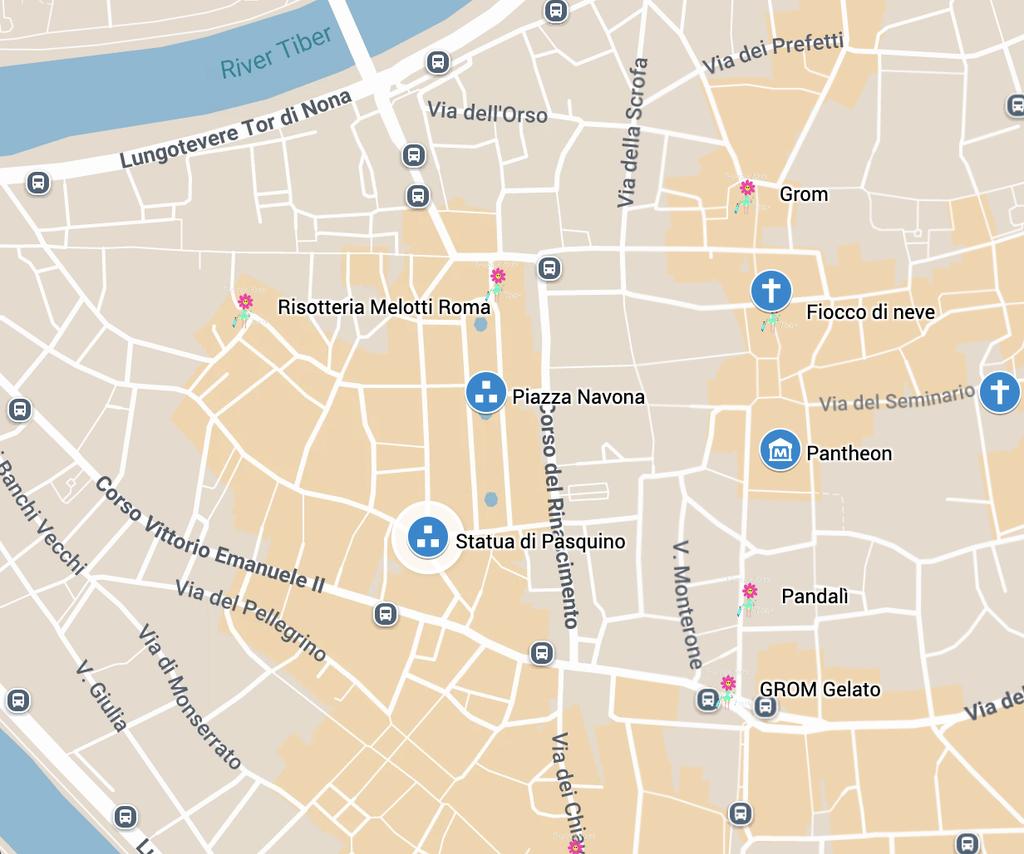
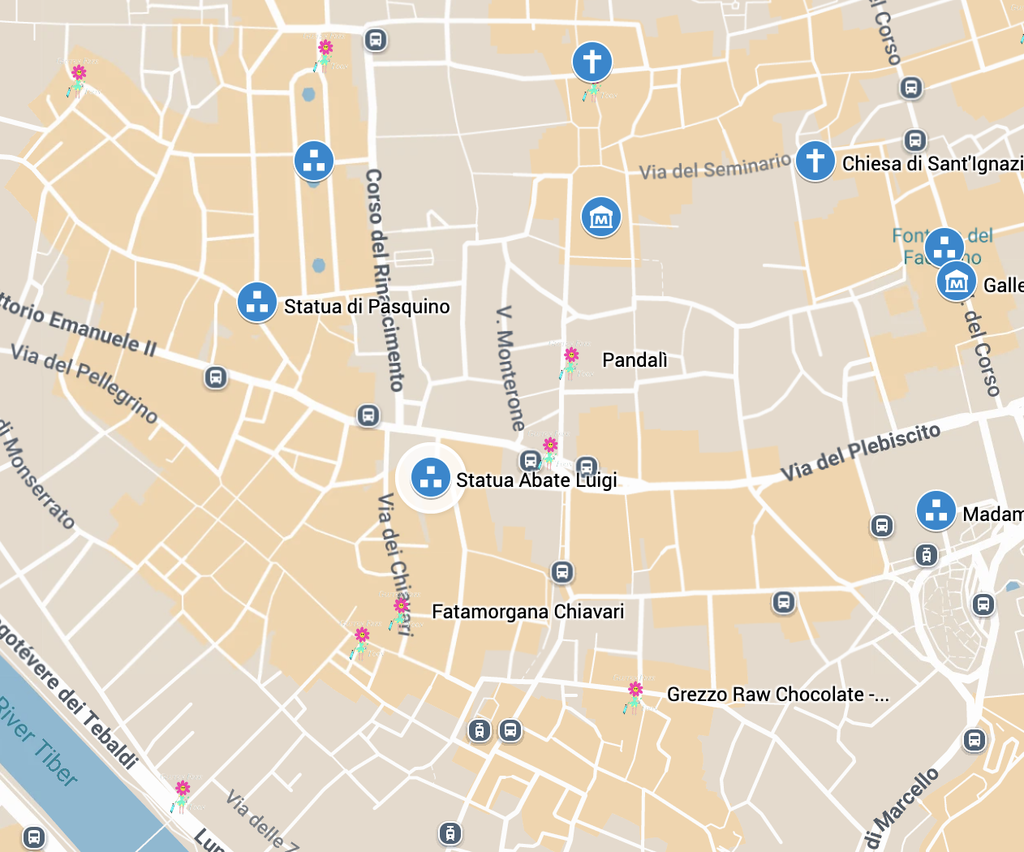
Statua Abate Luigi – Pass By
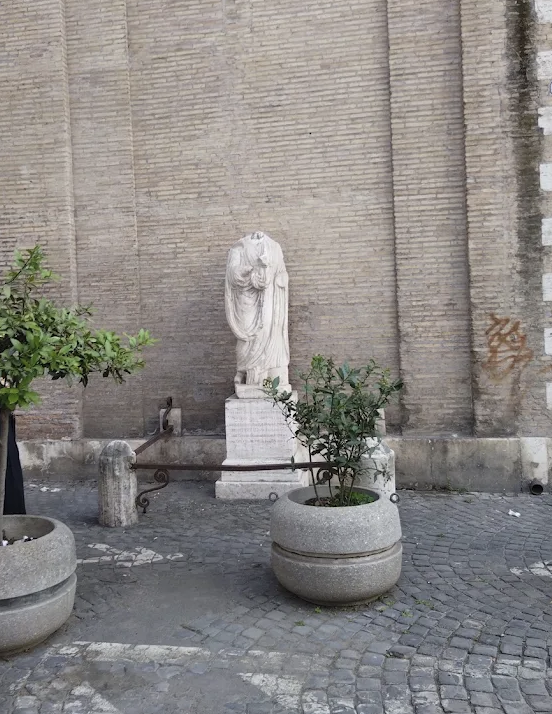
The Statue of Abbot Luigi is another of Rome’s famous “talking statues,” continuing the city’s centuries old tradition of anonymous satire and political commentary. Located in Piazza Vidoni, near the Church of Sant’Andrea della Valle, this ancient Roman statue depicts a man wearing a toga, although its exact identity remains uncertain. The name “Abbot Luigi” was given to the statue by locals, who apparently thought the figure resembled a member of the clergy. Like the better known Pasquino statue, Abate Luigi became a place where Romans could attach anonymous messages criticising politicians, powerful figures and social injustices. These witty verses and public complaints allowed ordinary citizens to express opinions they might otherwise have been afraid to share. The statue has even been moved several times over the centuries, and its head has been stolen and replaced more than once. Although it may look rather ordinary at first glance, Abate Luigi represents Rome’s long standing spirit of humour, resistance and free expression. It’s a fun, lesser known stop for anyone interested in discovering the stories and traditions hidden within the city’s historic streets.
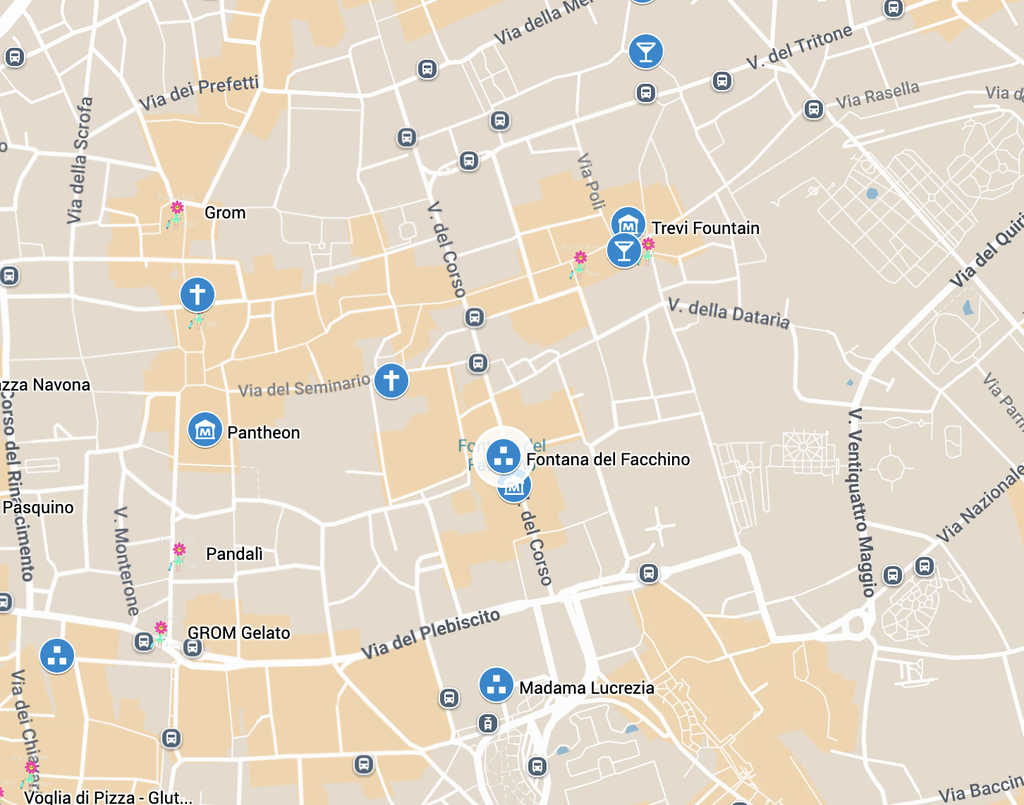
Fontana del Facchino – Pass By
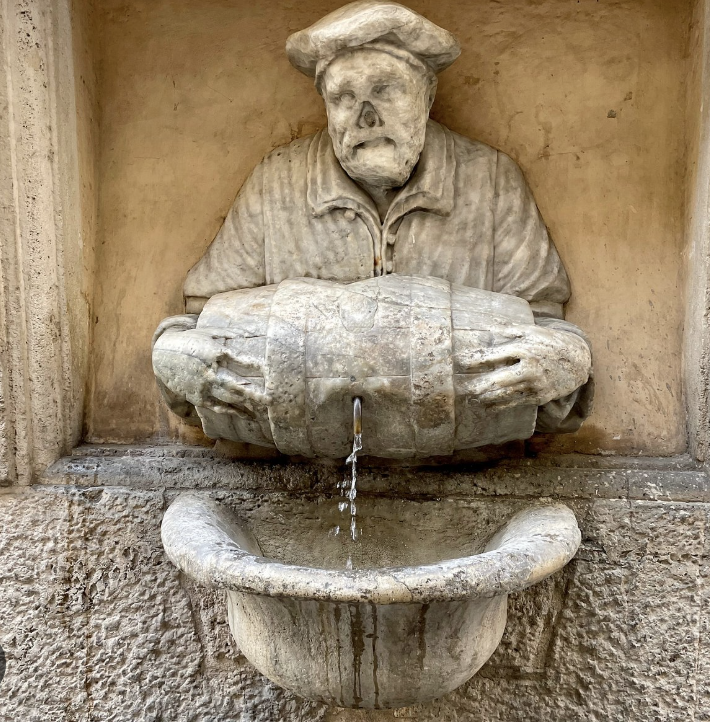
The Fontana del Facchino, or Fountain of the Porter, is one of Rome’s smallest but most intriguing historical landmarks. Tucked away on Via Lata, near the bustling Via del Corso, this unusual fountain features a stone figure of a man wearing a cap and carrying a barrel, with water flowing from the barrel into a small basin below. Created in the late 16th century, the statue represents a facchino, or water carrier, a worker who once delivered water to homes before modern plumbing became widespread. The figure is also one of Rome’s six famous “talking statues,” associated with the tradition of anonymous satirical messages aimed at politicians and powerful figures. Unlike some of the other talking statues, the porter was not an ancient Roman sculpture but a more modern creation for its time. Its face has been damaged over the centuries, reportedly because people mistakenly believed it resembled Martin Luther. Easy to miss as you explore the historic centre, this charming fountain offers a glimpse into everyday Roman life and the city’s long tradition of humour, gossip and political satire.
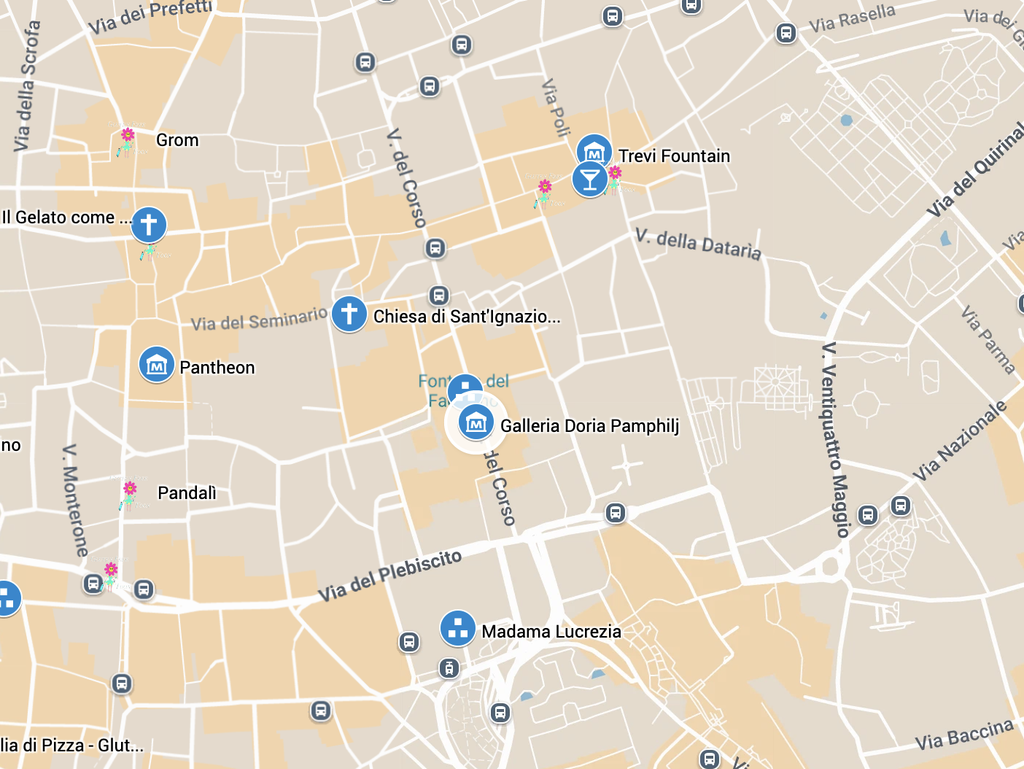
Galleria Doria Pamphilj
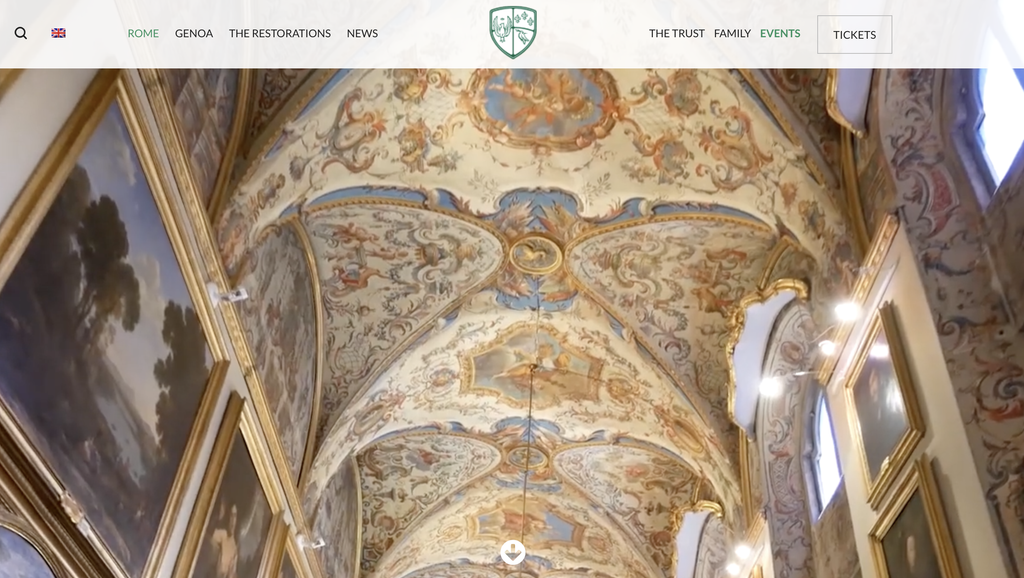
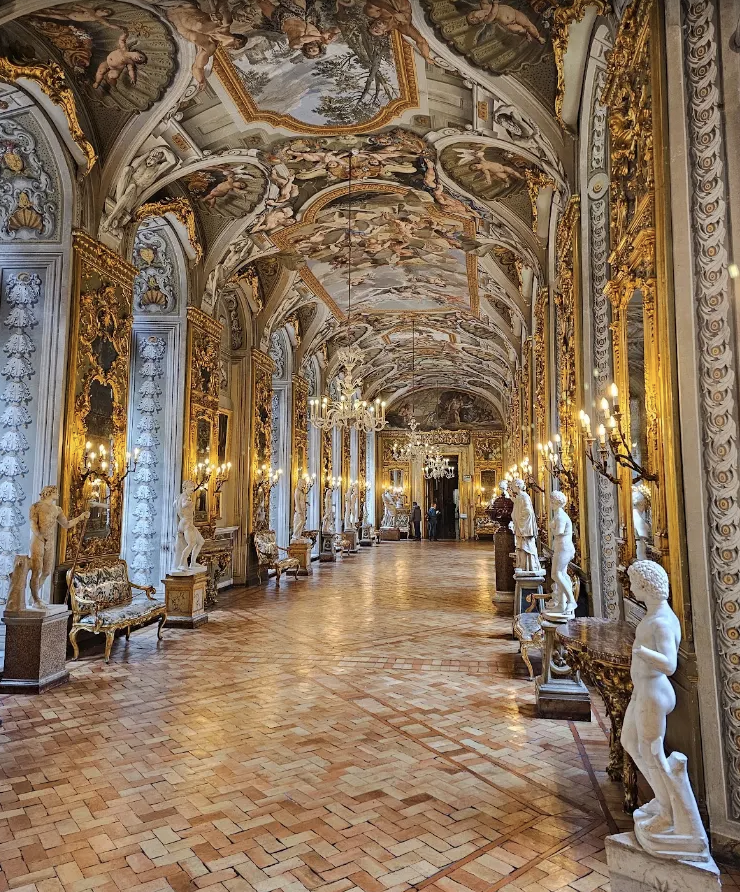
The Galleria Doria Pamphilj is one of Rome’s most impressive private art collections, offering a glimpse into the luxurious world of one of the city’s most influential aristocratic families. Housed within the magnificent Palazzo Doria Pamphilj, just a short walk from Piazza Venezia and Via del Corso, the gallery features lavishly decorated rooms filled with centuries of European masterpieces. The collection includes works by celebrated artists such as Caravaggio, Titian, Raphael and Velázquez. One of its most famous paintings is Velázquez’s striking portrait of Pope Innocent X, a member of the Pamphilj family, whose intense expression makes it one of the gallery’s highlights. As you wander through the grand halls, you’ll discover gilded ceilings, ornate mirrors, antique furniture and walls covered in paintings displayed in the traditional style of a historic private gallery. Unlike Rome’s larger and busier museums, the Galleria Doria Pamphilj often feels more intimate, allowing you to appreciate both the artwork and the extraordinary palace interiors. It’s a wonderful stop for art and history lovers who want to experience a more personal side of Rome’s aristocratic heritage. Allow around one to two hours for your visit, and check ticket availability and opening times before arriving.
VISIT
The Gallery is open Monday, Tuesday and Thursday from 9.00 am to 7.00 pm (last admission at 6.00 pm).
On Fridays , Saturdays and Sundays the opening hours are from 10.00 to 20.00 (last admission at 19.00).
Weekly closing day: Wednesday Reservations are recommended on this website.
Closed: January 1st, Easter and December 25th.
Visitors can purchase tickets at the Ticket Office, from the museum’s opening hours until one hour before closing, or on this page by following the BOOK AND BUY procedure .
Tickets purchased online allow immediate access to the Gallery on the day and time booked, without having to stop at the Ticket Office.
Tickets purchased will not be refunded under any circumstances.
Cancellations or changes to issued tickets are not permitted.
SINGLE TICKET : €16.00. With online booking: €17.00.
FREE TICKET for children under 12. With online booking: €1.00.
Madama Lucrezia – Pass By
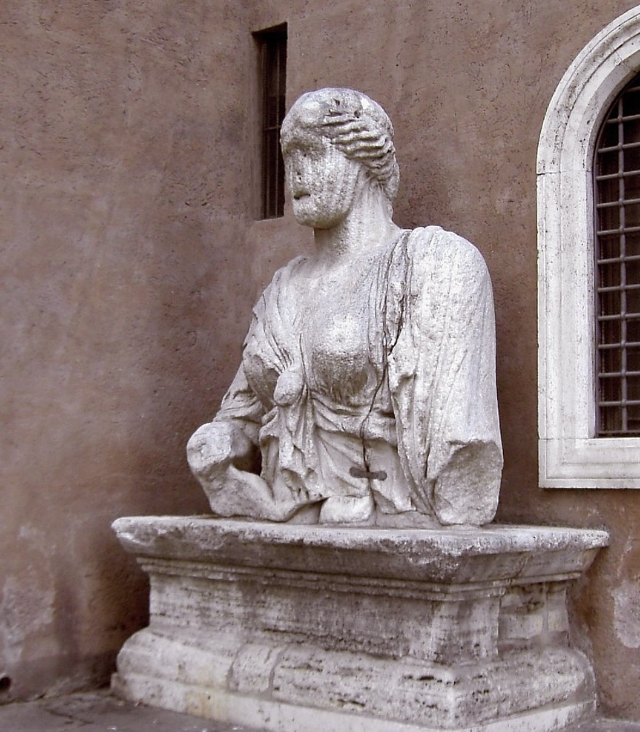
Madama Lucrezia is one of Rome’s six famous “talking statues,” a fascinating collection of historic sculptures associated with the city’s tradition of anonymous political satire. Located in Piazza di San Marco, beside the Basilica of Santa Maria in Aracoeli and close to Piazza Venezia, this imposing ancient Roman statue depicts a draped female figure, believed to represent the Egyptian goddess Isis or a priestess of Isis. Its unusual nickname is thought to have come from Lucrezia d’Alagno, a 15th century noblewoman who was the mistress of King Alfonso V of Naples. Like the other talking statues, Madama Lucrezia became a place where Romans could leave anonymous messages, witty poems and criticisms of political and religious authorities. These public verses, known as pasquinades, allowed people to express their frustrations and mock those in power. Today, the statue stands quietly in the square, easy to overlook amid Rome’s busy streets, but it offers a wonderful connection to the city’s rebellious past. As you visit, look for the weathered details of the sculpture and imagine the satirical messages that once made this corner of Rome a centre of public gossip and protest.
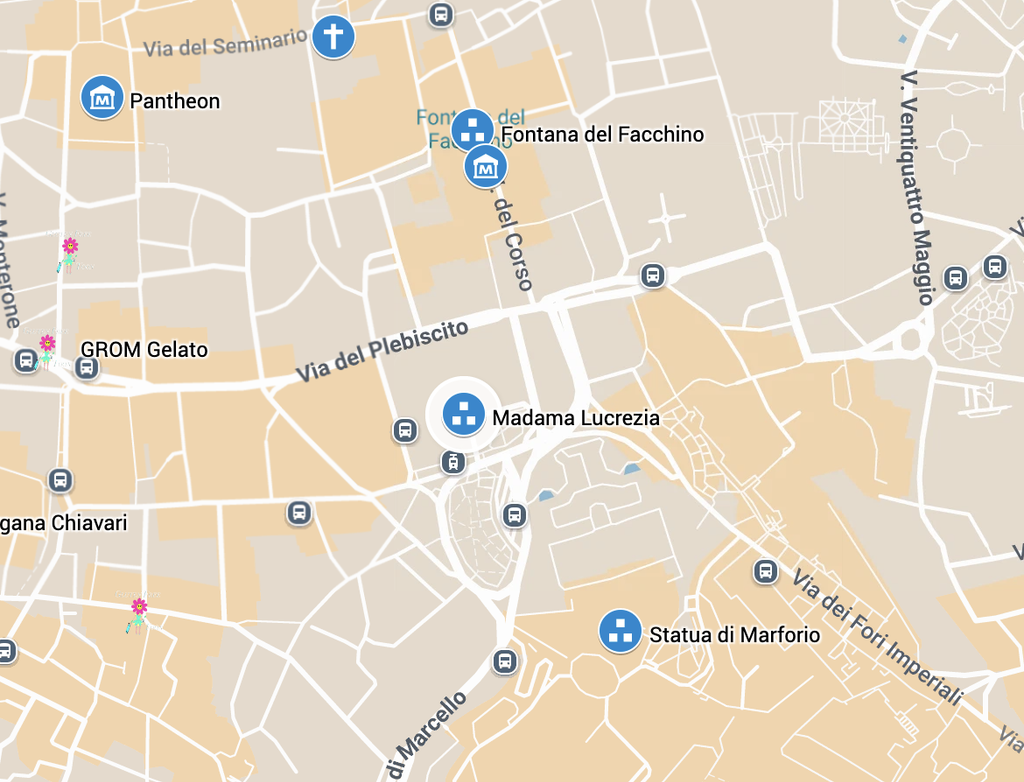
Marphurius or Marforio is one of the talking statues of Rome – Pass By
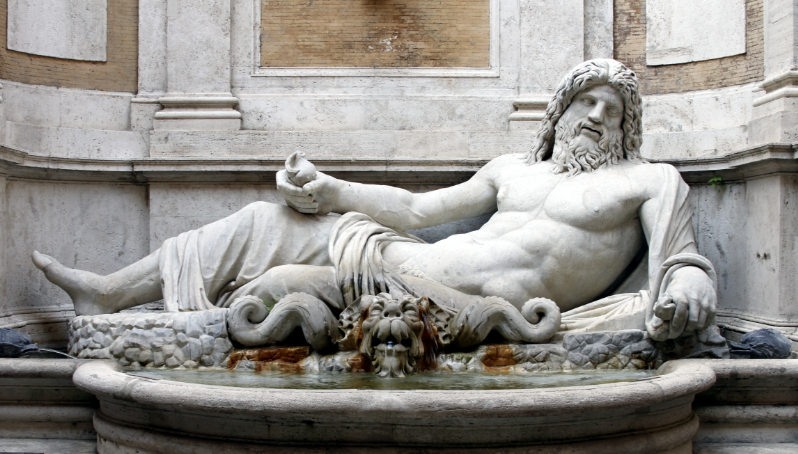
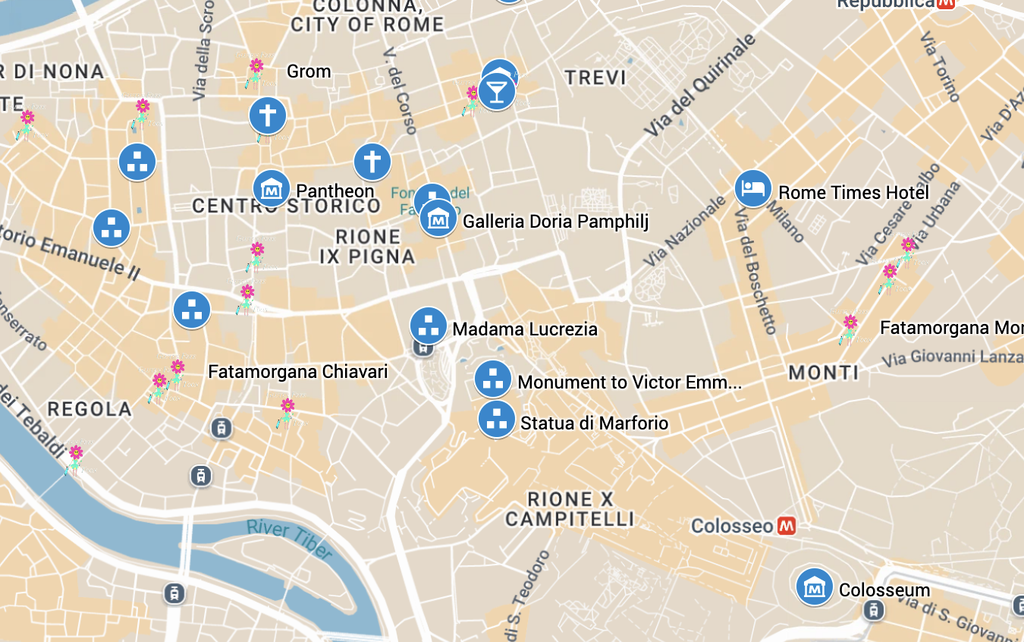
Marforio, also known as Marphurius, is one of Rome’s six famous “talking statues,” a group of historic sculptures associated with the city’s tradition of anonymous satire and political commentary. This impressive ancient Roman marble statue depicts a reclining bearded male figure, traditionally interpreted as a personification of a river or the sea. Today, Marforio can be found in the courtyard of the Capitoline Museums, although it once stood near the Forum of Augustus. During the 16th and 17th centuries, Romans used the statue as a place to post witty questions, sarcastic remarks and criticisms of powerful political and religious figures. Marforio often played the role of the questioner in humorous exchanges with Pasquino, another of Rome’s talking statues, whose replies were posted nearby. These satirical conversations became a popular way for ordinary citizens to express their frustrations and poke fun at those in authority. Although Marforio is now admired primarily as an example of ancient Roman sculpture, its role in the city’s history of public debate makes it particularly fascinating. If you’re visiting the Capitoline Museums, take time to appreciate this remarkable statue and imagine the clever exchanges that once brought Rome’s political gossip to life.
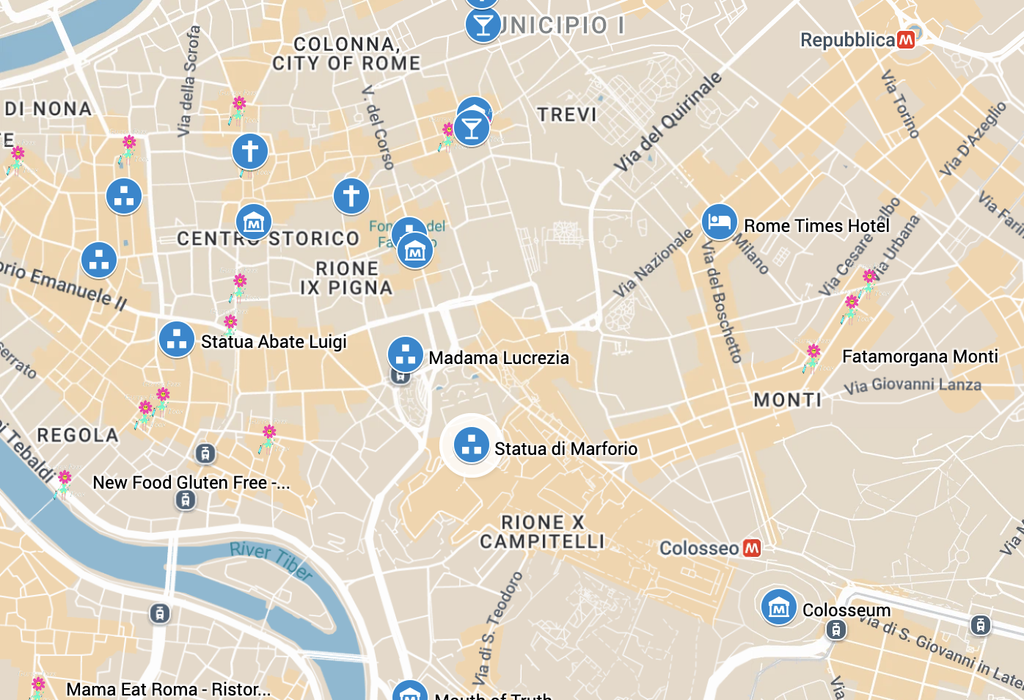
Monument to Victor Emmanuel II
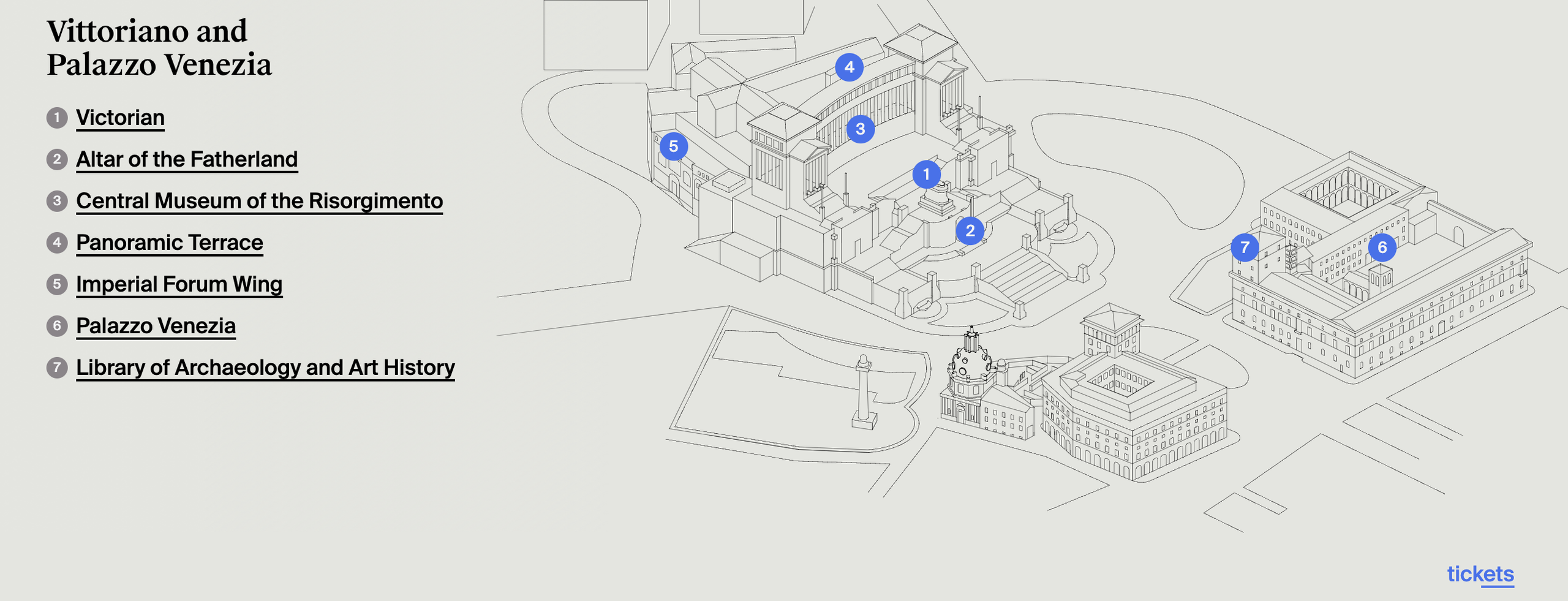
The Monument to Victor Emmanuel II, also known as the Altare della Patria or the Altar of the Fatherland, is one of Rome’s most imposing landmarks. Located in Piazza Venezia, this enormous white marble monument was built to honour Victor Emmanuel II, the first king of a unified Italy, and to celebrate Italian unification in the 19th century. Inaugurated in 1911, the monument features grand staircases, towering columns and an impressive equestrian statue of the king at its centre. It also houses the Tomb of the Unknown Soldier, where an eternal flame burns in remembrance of Italian soldiers who died in war. Often nicknamed the “Wedding Cake” or “Typewriter” by locals because of its distinctive shape, the monument offers a striking contrast to the ancient ruins and warm toned buildings surrounding it. Visitors can climb the steps to admire the architecture and enjoy panoramic views across Rome, while a glass elevator takes you to the upper terrace for an even more spectacular perspective of the city. Allow time to explore the exterior and take photographs, as this is one of the best spots to appreciate Rome’s remarkable blend of ancient history and modern Italian identity.
Cluster B — Ancient Rome and Monti
| Sight | Gluten free stops |
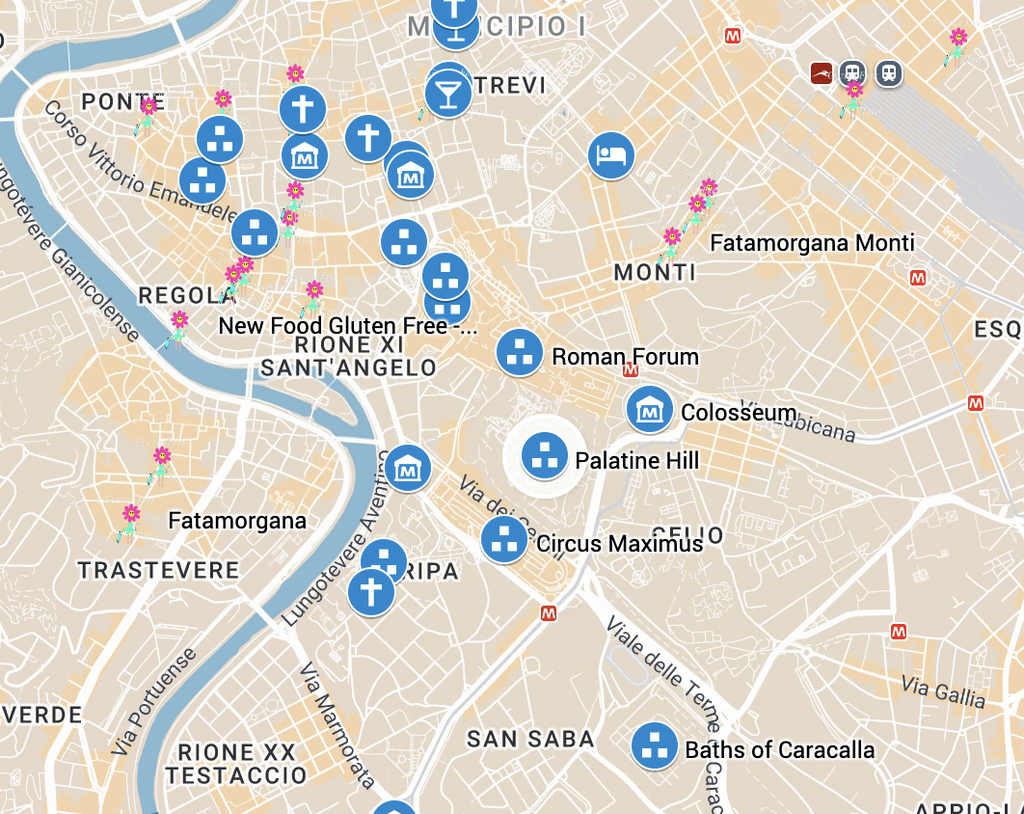
| Colosseum | Glummy Map 15 min 1.1 km Glummy Grezzo Raw Chocolate Map 14 min 1.0 km Grezzo Raw |
| Roman Forum | Glummy Map 13 min 900m Grezzo Raw Chocolate Map 12 min 850m |
| Palatine Hill | Glummy Map 25–30 min Grezzo Raw Chocolate Map 21 min 1.5 km |
| Imperial Forums | Glummy Map 16 min 1.1 km Grezzo Raw Chocolate Map 15 min 1.0 km |
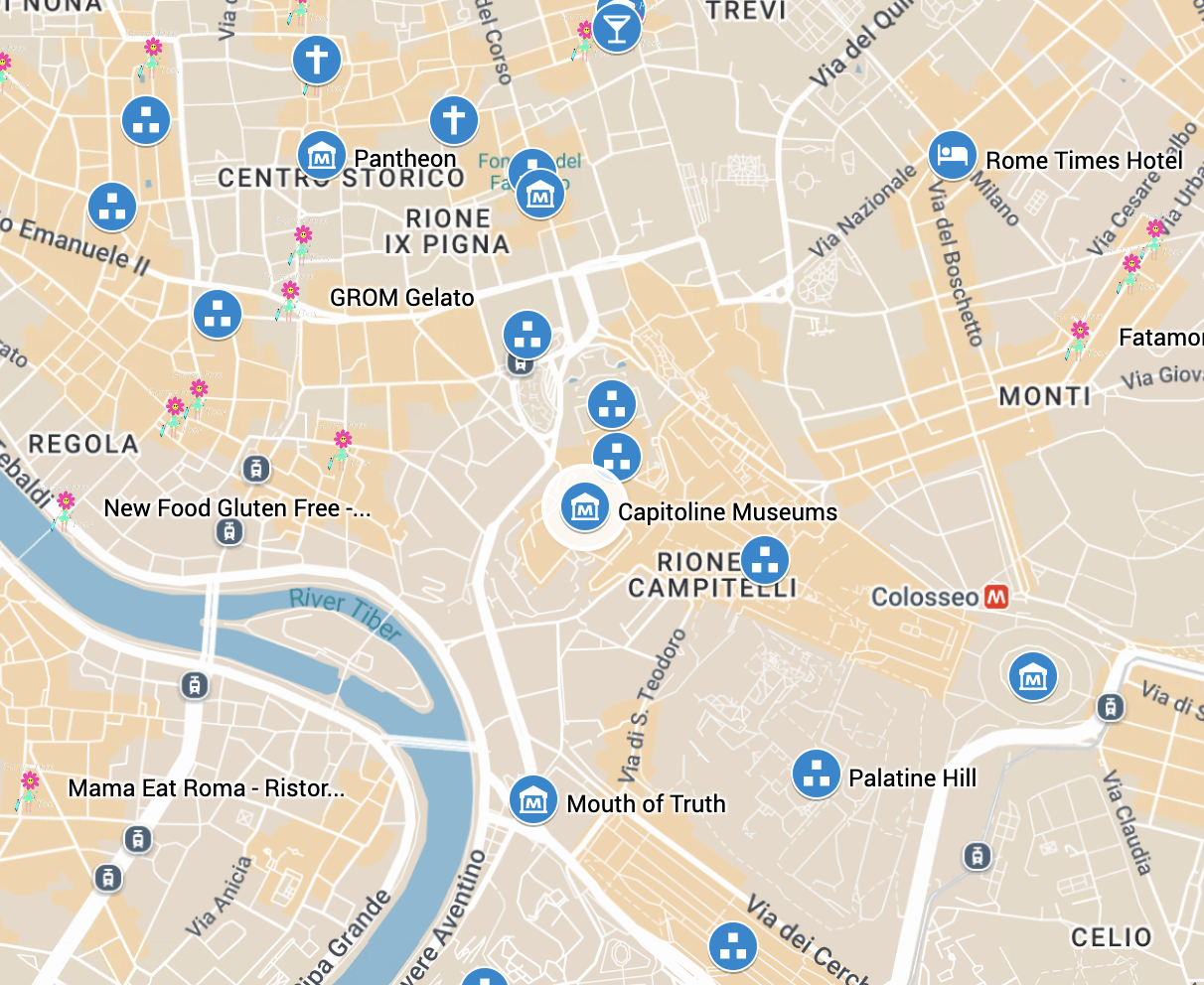
| Capitoline Hill / Capitoline Museums | Pandalì Map 18 min 1.3 km Fiocco di Neve Map 13 min 850m |
| Mouth of Truth | Fiocco di Neve Map 22 min 1.6 km |
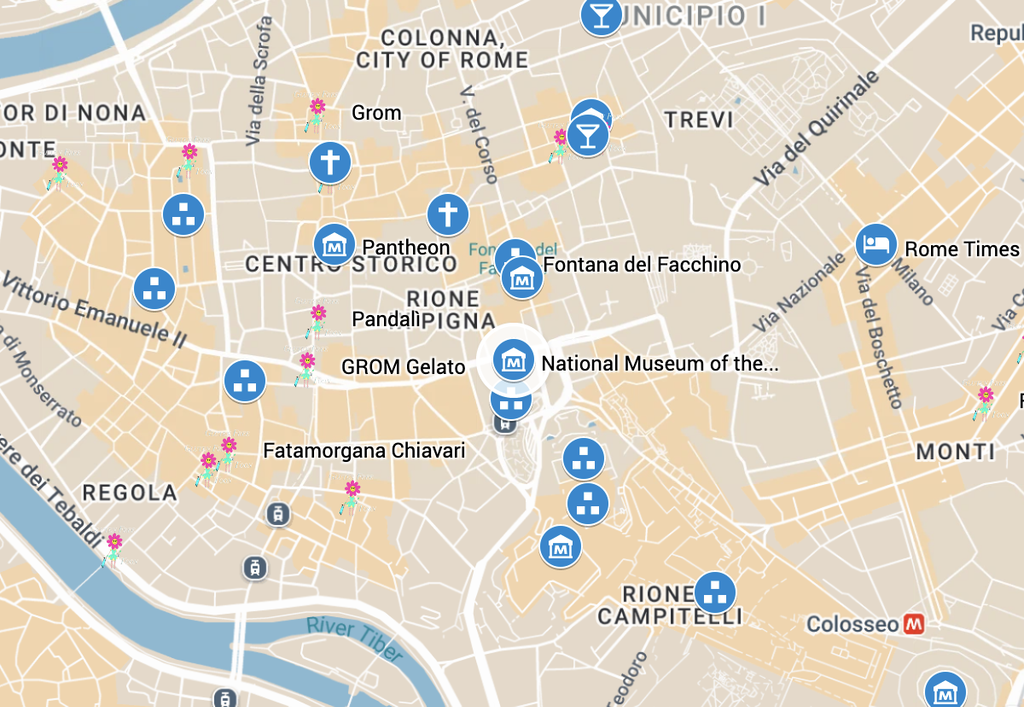
| Museo di Palazzo Venezia | Pandalì Map 7 min 500m Fiocco di Neve Map 9 min 700m |
Colosseum
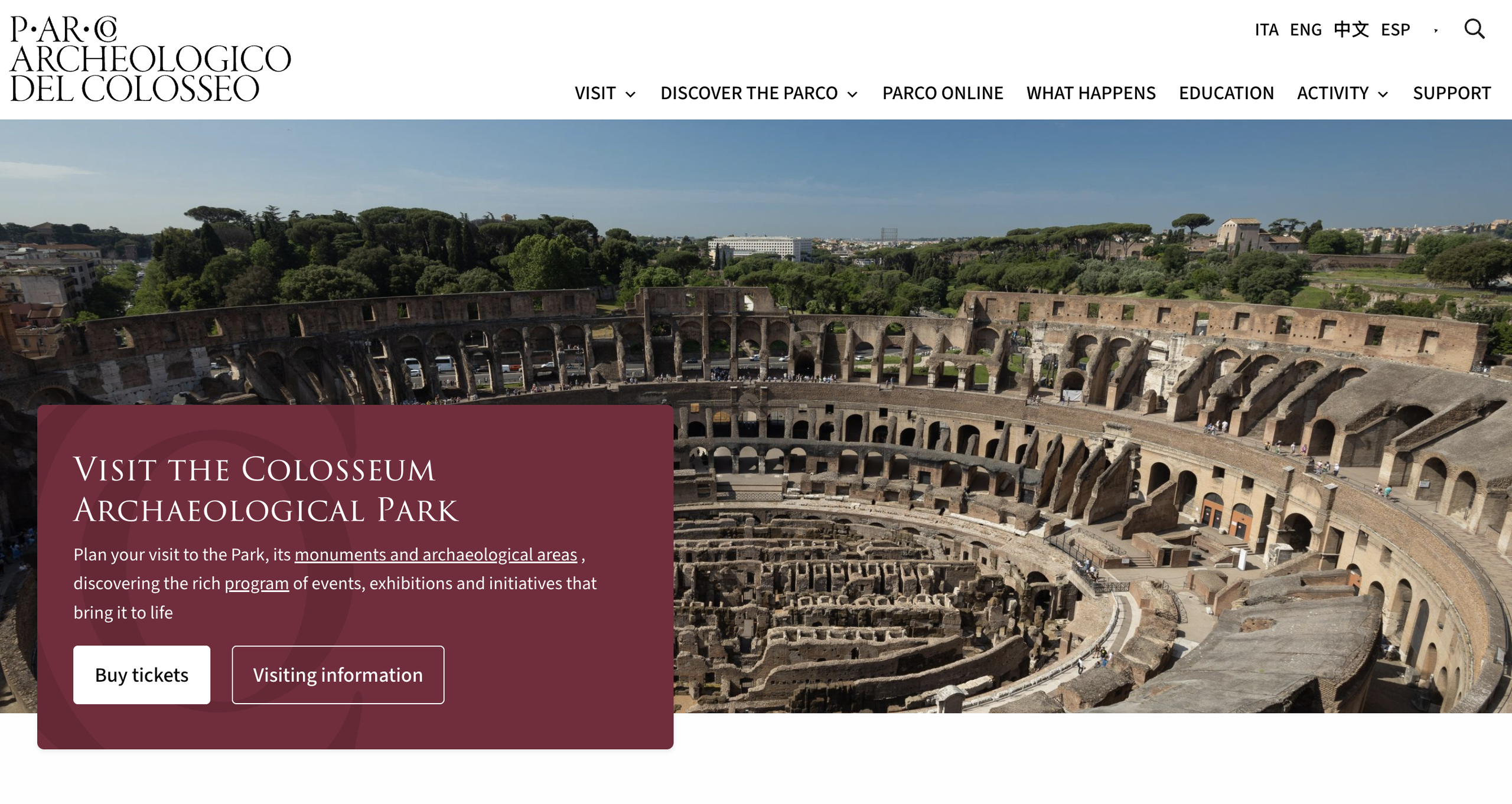
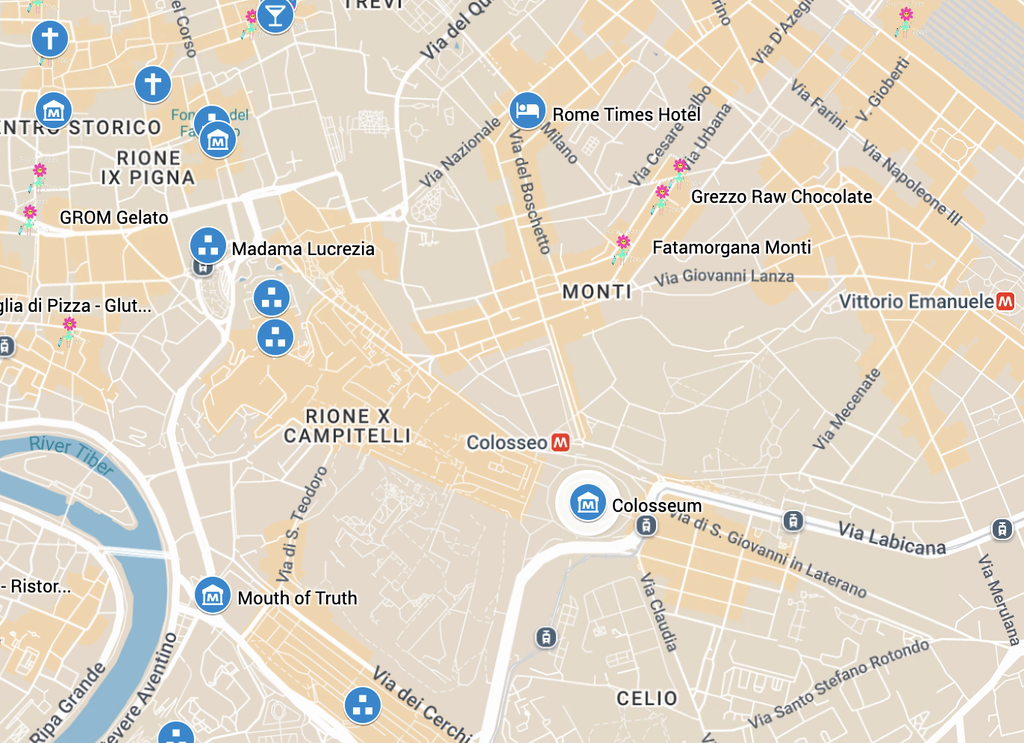
Via del Monte Oppio (and the surrounding Giardinetto del Monte Oppio / Parco di Colle Oppio) is a scenic street and park located on the Oppian Hill in Rome, Italy, known for offering some of the best elevated, crowd-light viewpoints of the Colosseum.
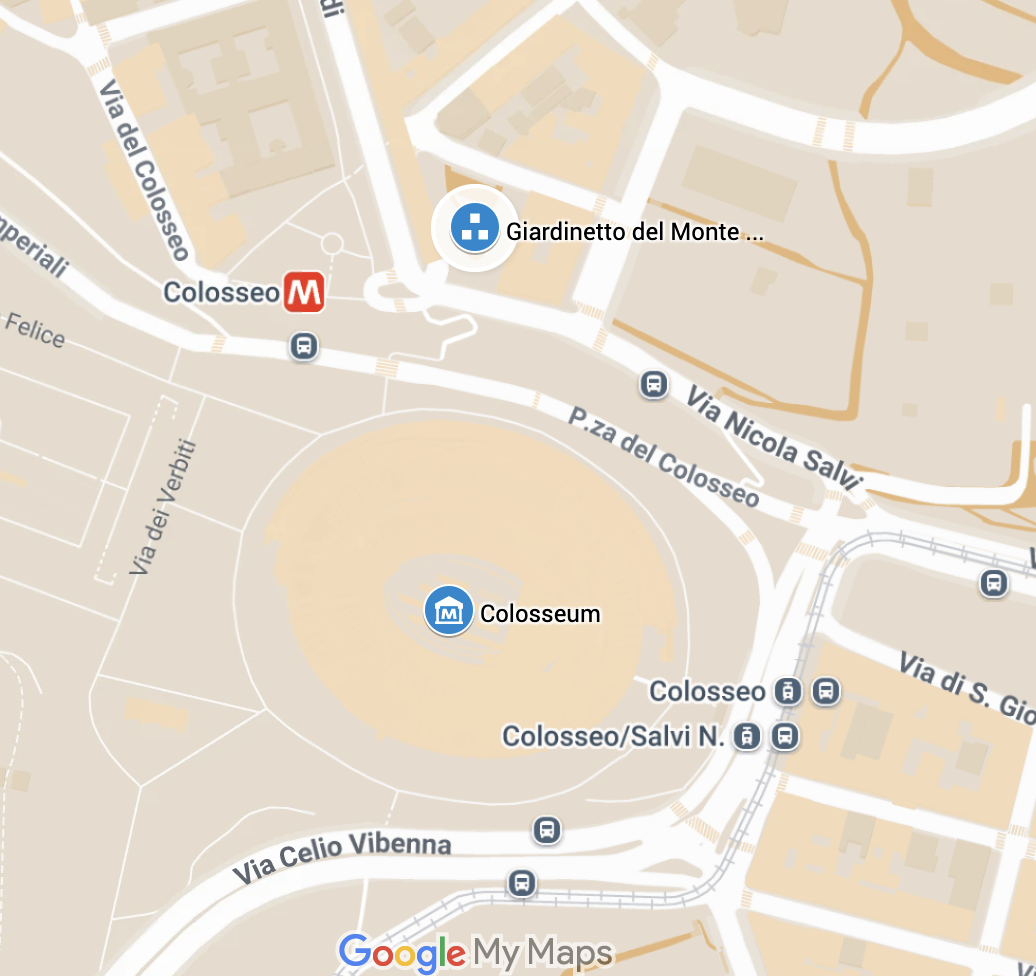
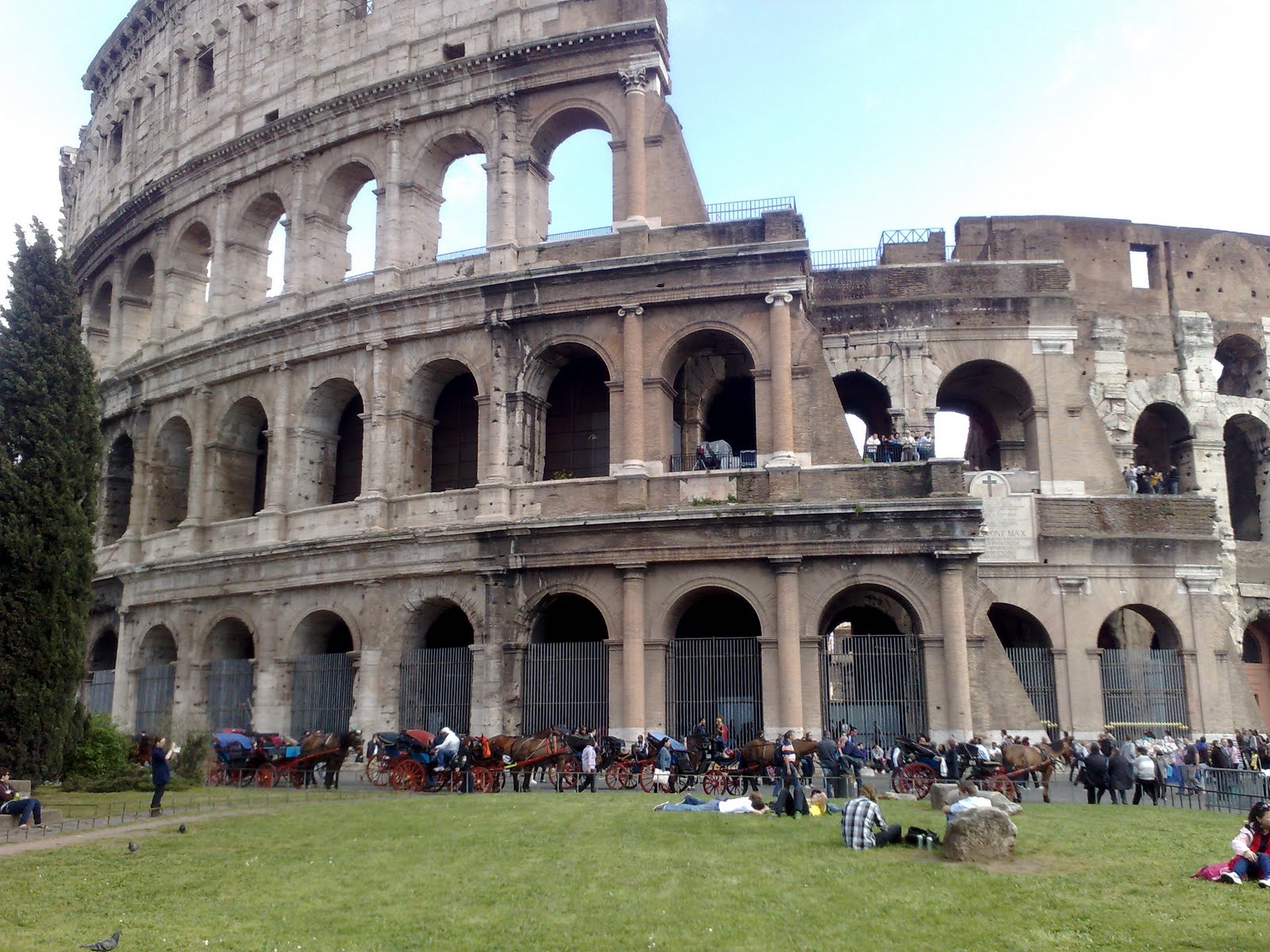
The Colosseum is one of the most iconic landmarks in the world and an unforgettable reminder of the power and spectacle of ancient Rome. Completed in 80 AD under Emperor Titus, this enormous amphitheatre could accommodate tens of thousands of spectators who gathered to watch gladiatorial contests, animal hunts and public spectacles. Built from stone and concrete, the Colosseum was an extraordinary feat of Roman engineering, featuring a complex system of entrances, corridors and seating arrangements that allowed huge crowds to enter and exit efficiently. Beneath the arena floor lay the hypogeum, a network of underground chambers and passageways where gladiators, animals and stage equipment were prepared before emerging into the arena. Although parts of the structure were damaged by earthquakes and centuries of stone removal, much of this remarkable monument still stands today. As you walk around the exterior, look for the surviving arches and different levels of seating, which reveal how grand the original structure must have been. Visiting inside offers an even deeper appreciation of the lives and spectacles that once filled the arena. The Colosseum is part of the Archaeological Park of the Colosseum, alongside the Roman Forum and Palatine Hill, so consider combining these attractions into one visit. Booking tickets in advance is strongly recommended, as entry is timed and demand is high.
Roman Forum
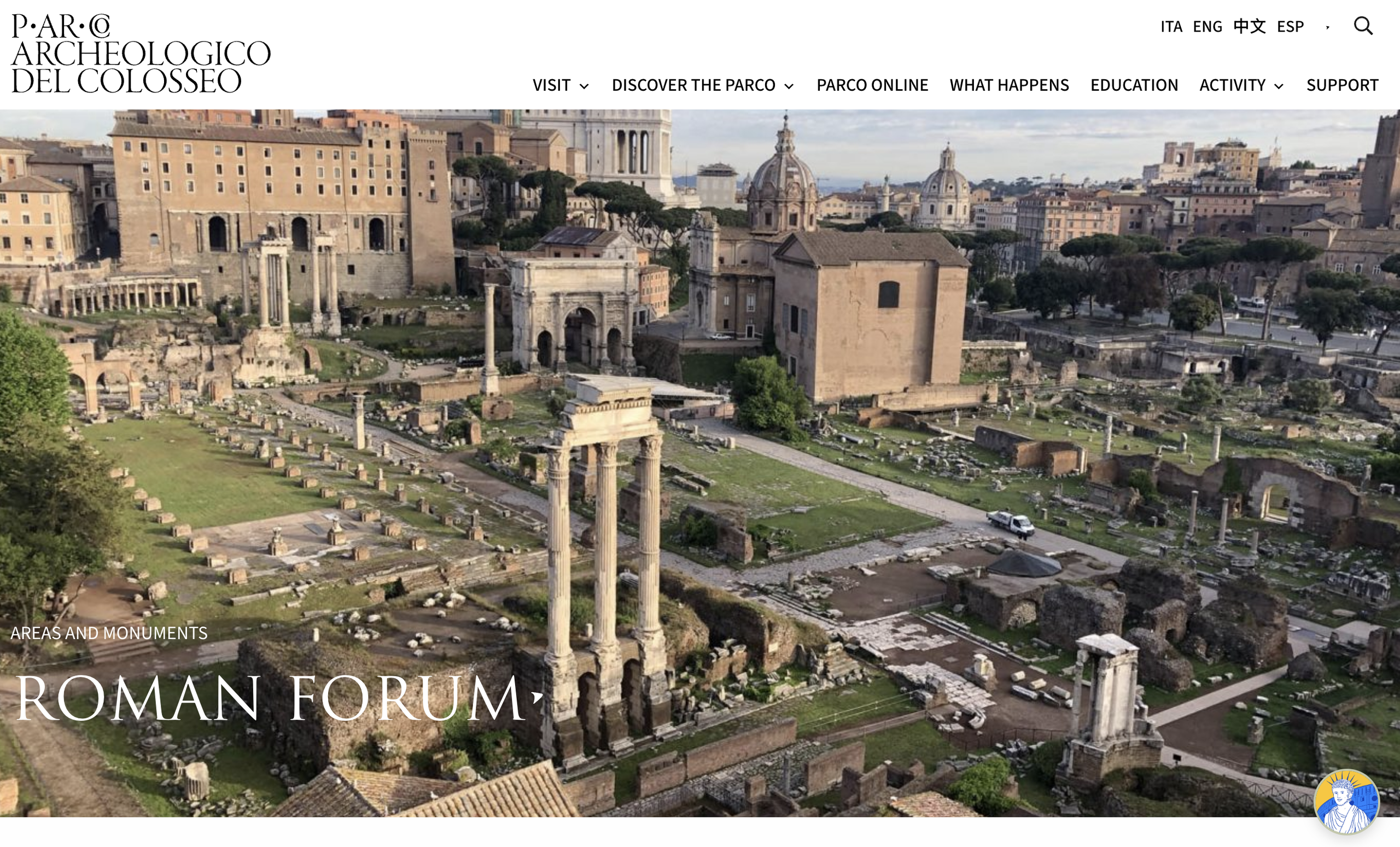
The Roman Forum was the political, religious and commercial heart of ancient Rome, where citizens gathered to trade, worship, debate and witness important public events. Today, this sprawling archaeological site is a fascinating collection of ruins that offers a glimpse into the daily life and power of one of history’s greatest civilisations. As you walk along the ancient pathways, you’ll pass the remains of grand temples, government buildings, triumphal arches and public meeting places. Highlights include the Temple of Saturn, with its iconic surviving columns, the Arch of Septimius Severus and the Curia, where the Roman Senate once met. You’ll also find the Via Sacra, the main ceremonial road along which victorious generals and emperors once processed. Imagine the bustling crowds, political speeches and religious ceremonies that would have filled these streets more than 2,000 years ago. The Forum is particularly impressive when viewed from above, so look for viewpoints that reveal the scale of the ruins and their setting among Rome’s hills. The Roman Forum is generally included in combined ticket options with the Colosseum and Palatine Hill, making it easy to explore all three sites together. Wear comfortable shoes, bring water during warmer months and allow plenty of time to discover this extraordinary window into ancient Roman history.
Palatine Hill
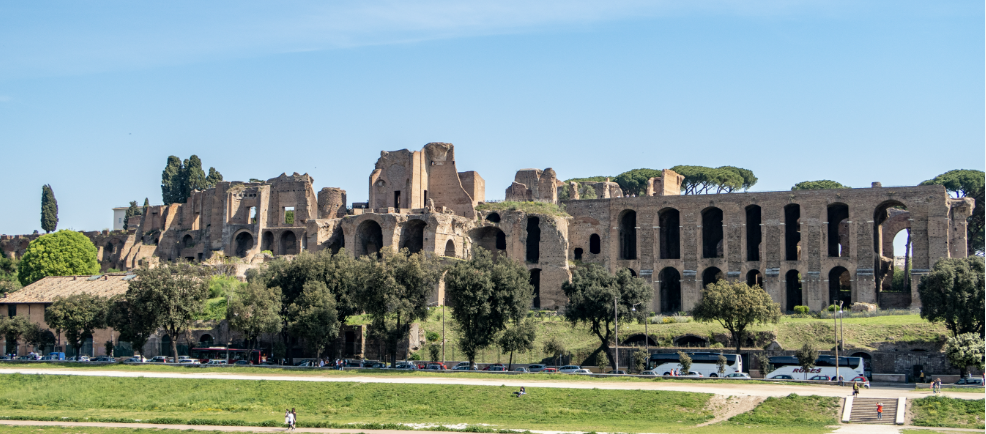
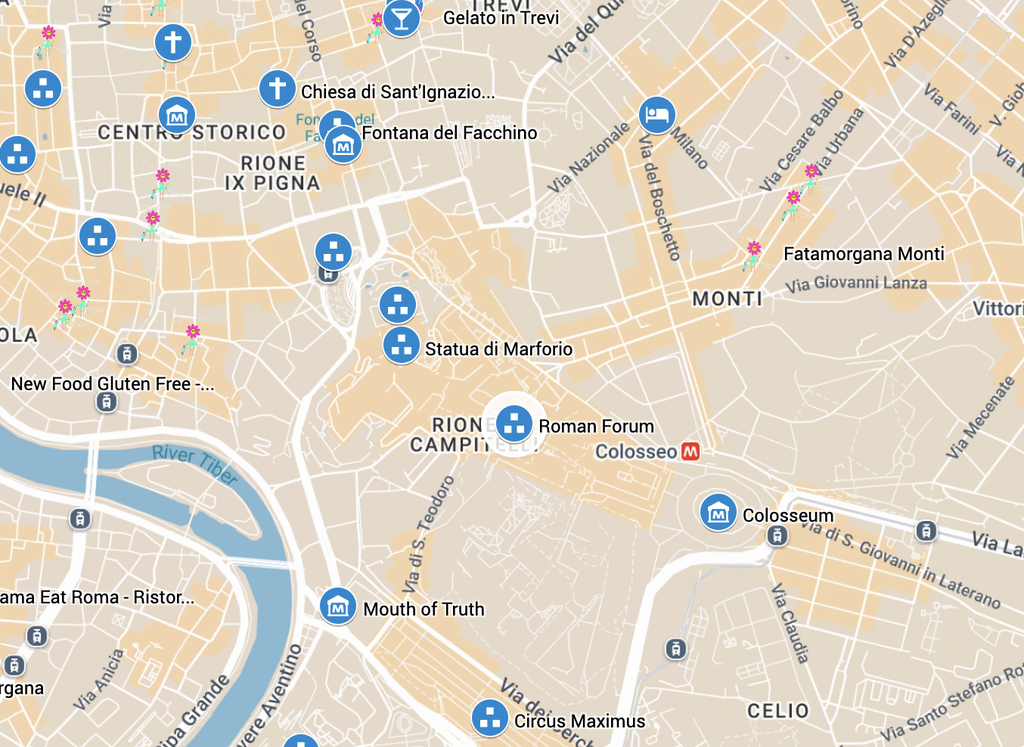
Palatine Hill is one of the most historically significant places in Rome, combining ancient mythology, imperial history and beautiful views across the city. According to Roman legend, this is where Romulus founded Rome in 753 BC after the famous story of Romulus and Remus. Over time, the hill became the most prestigious residential area in the city, home to emperors and wealthy Romans who built magnificent palaces overlooking the Roman Forum and Circus Maximus. In fact, the word palace derives from the Latin name for the hill, Palatium. As you explore the archaeological site, you’ll discover the remains of grand imperial residences, courtyards, gardens and ancient structures that reveal the extraordinary luxury enjoyed by Rome’s ruling elite. Highlights include the ruins of the Palace of Domitian and the Stadium of Domitian, believed to have been part of the imperial palace complex. One of the best reasons to visit is the spectacular panoramic views over the Roman Forum and the surrounding city, offering a wonderful perspective on Rome’s ancient landscape. Palatine Hill is generally included in combined admission with the Colosseum and Roman Forum, so it makes sense to visit all three together. Wear comfortable walking shoes, allow time to explore the extensive ruins and gardens, and take a moment to imagine what life was like when this hill was the centre of imperial power.
Capitoline Hill / Capitoline Museums
Capitoline Hill is one of Rome’s seven legendary hills and has played a central role in the city’s political and religious history for thousands of years. In ancient times, it was an important centre of worship, home to temples dedicated to Roman gods, including Jupiter. Today, the hill is best known for its beautiful Renaissance piazza, designed by Michelangelo in the 16th century, which features an elegant geometric layout and a central equestrian statue of Emperor Marcus Aurelius. The square is surrounded by three historic palaces, two of which house the Capitoline Museums, widely regarded as the world’s oldest public museums. Inside, you’ll discover an extraordinary collection of ancient Roman sculptures, paintings and archaeological treasures. Highlights include the famous Capitoline Wolf, depicting the legendary she wolf nursing Romulus and Remus, as well as the original equestrian statue of Marcus Aurelius and the colossal remains of a statue of Emperor Constantine. Don’t miss the views from the terrace behind the Palazzo Senatorio, which offers a wonderful panorama over the Roman Forum. Whether you choose to explore the museums or simply admire the architecture and views from the square, Capitoline Hill is an essential stop for understanding Rome’s journey from ancient republic to modern capital. Allow extra time if you plan to visit the museums, as the collections are extensive.
Mouth of Truth
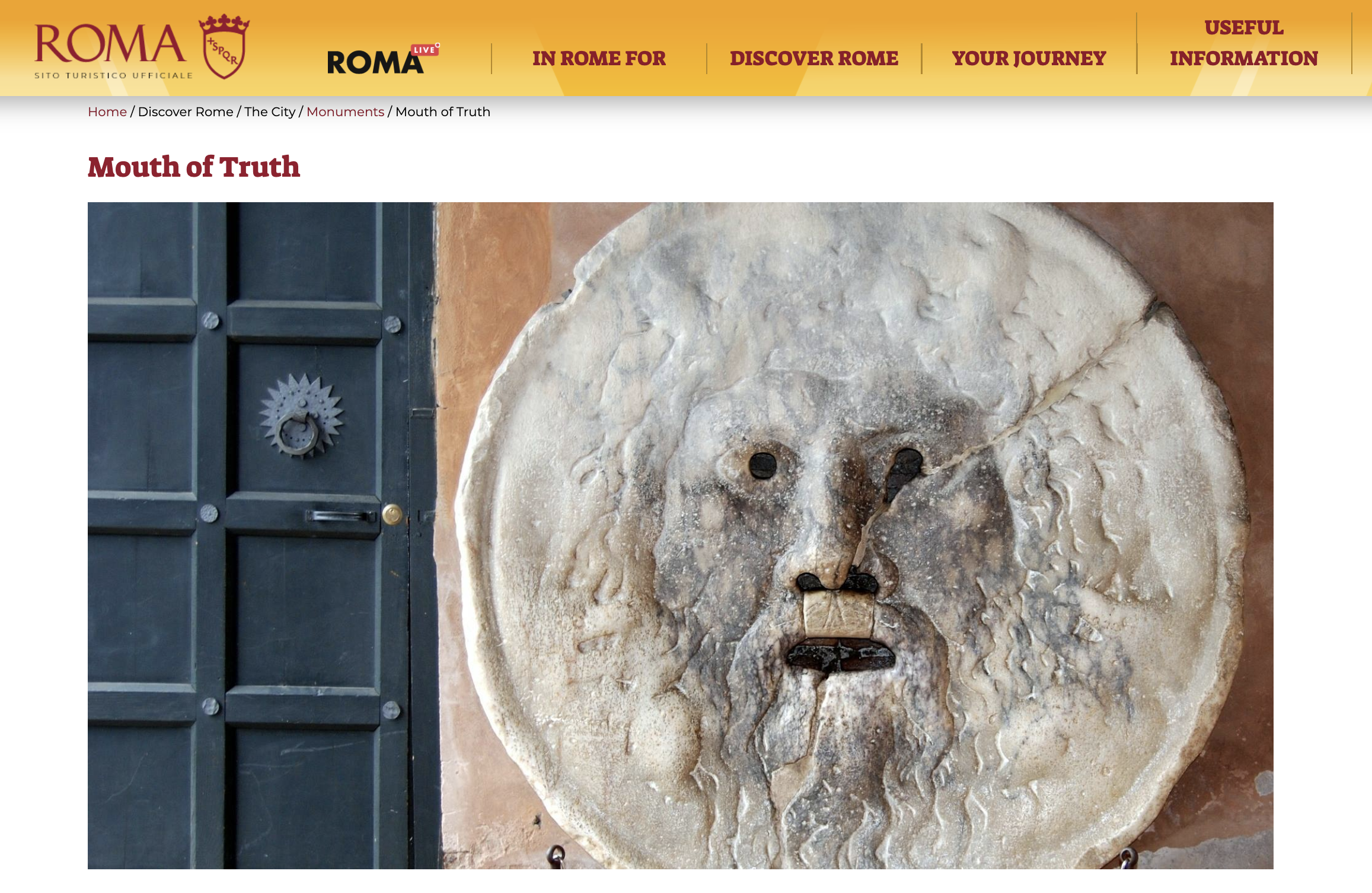
The Mouth of Truth, known in Italian as Bocca della Verità, is one of Rome’s most unusual and popular attractions, famous for its mysterious appearance and legendary test of honesty. This enormous marble mask, believed to date back to ancient Roman times, depicts a bearded face with an open mouth, eyes and nostrils. Its original purpose remains uncertain, although it may have served as a drain cover or part of an ancient fountain. Today, it stands in the portico of the Church of Santa Maria in Cosmedin, a beautiful medieval church well worth admiring while you’re there. According to medieval legend, anyone who places their hand inside the statue’s mouth while telling a lie will have their hand bitten off! The story became internationally famous after the mask appeared in the 1953 film Roman Holiday, starring Audrey Hepburn and Gregory Peck. Visitors still queue to place their hands inside the mouth and capture a memorable photograph. Arrive early if you want to avoid the longest lines, and remember to explore the church’s beautiful interior and distinctive bell tower while you’re nearby. It’s a fun stop that combines ancient mystery, medieval history and a little Hollywood magic.
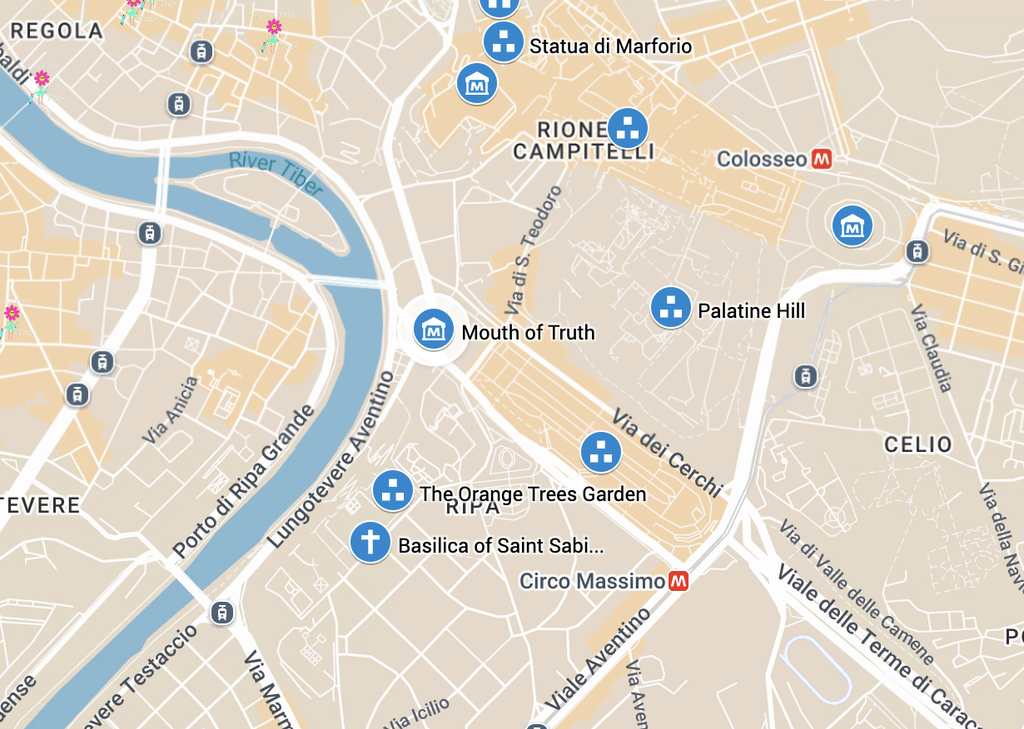
National Museum of the Palazzo di Venezia – closed for restoration 2026
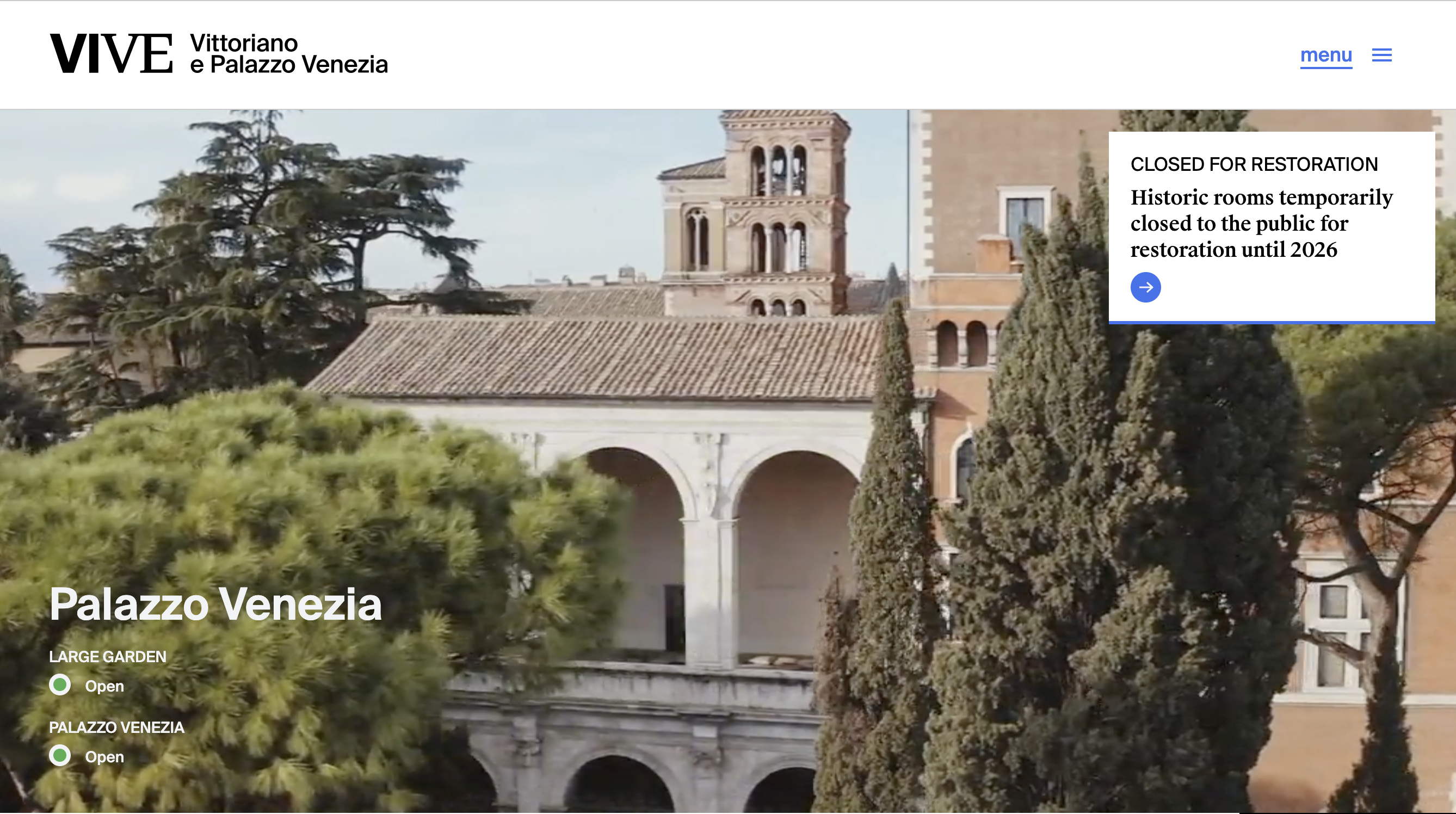
The National Museum of Palazzo Venezia is a fascinating historic palace and museum located in the heart of Rome, close to Piazza Venezia and the Monument to Victor Emmanuel II. Originally built in the 15th century for Cardinal Pietro Barbo, who later became Pope Paul II, the palace is an important example of early Renaissance architecture. Its imposing stone façade, elegant courtyard and beautiful loggias offer a glimpse into the grandeur of Renaissance Rome. Over the centuries, the building served as a papal residence and later became the seat of the Venetian embassy, which explains its name. During the 20th century, it was also used by Benito Mussolini as the headquarters of his government, adding a darker chapter to its history. Today, the museum houses an extensive collection of decorative arts, including paintings, sculptures, ceramics, tapestries, furniture and historic objects spanning several centuries. As you explore the rooms and courtyard, you’ll discover the artistic treasures and architectural details that make this palace a worthwhile stop for anyone interested in Italian history and culture. Its central location also makes it easy to combine with nearby attractions, including the Capitoline Hill and the Roman Forum. Check the official museum website for current exhibitions, opening hours and ticket information before visiting.
Cluster C — Vatican City and Castel Sant’Angelo
| Sight | Gluten free stops |
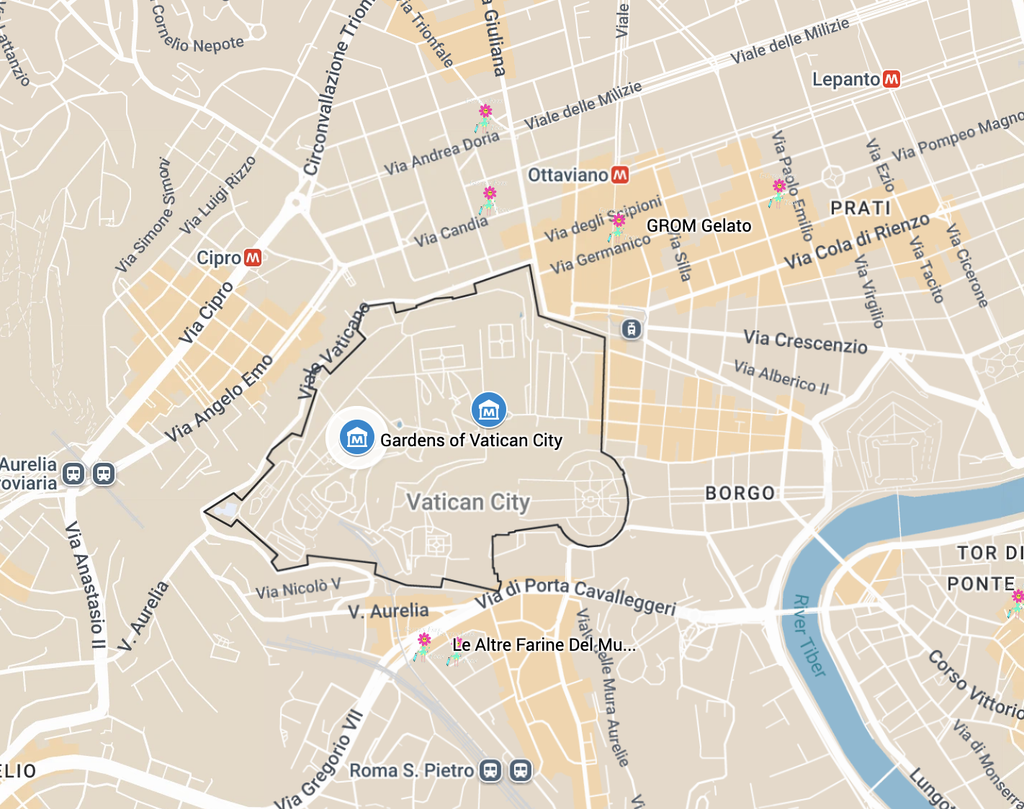
| Vatican Gardens | Celiachiamo Lab Map 8 min 600m New Food Experience Map 11 min 850m El Maíz Map 4 min 300m |
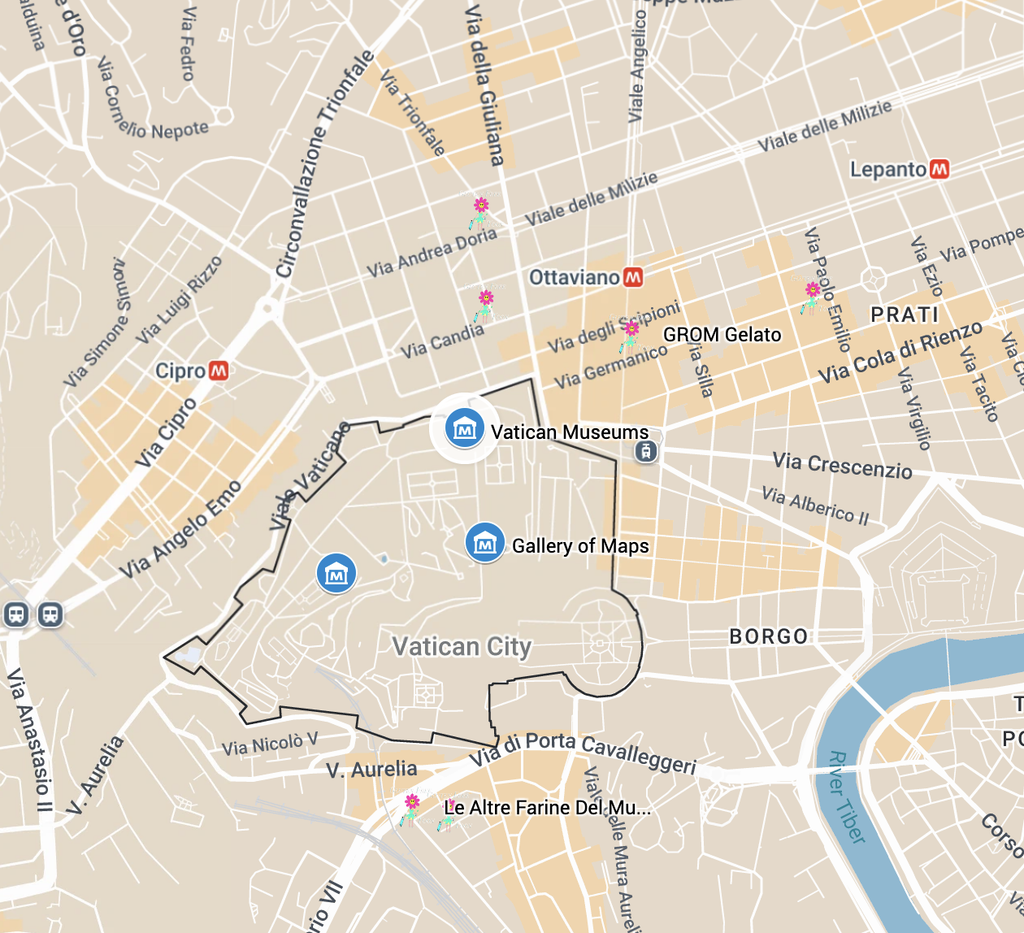
| Vatican Museums | Celiachiamo Lab Map 8 min 600m New Food Experience Map 11 min 850m El Maíz Map 4 min 300m |
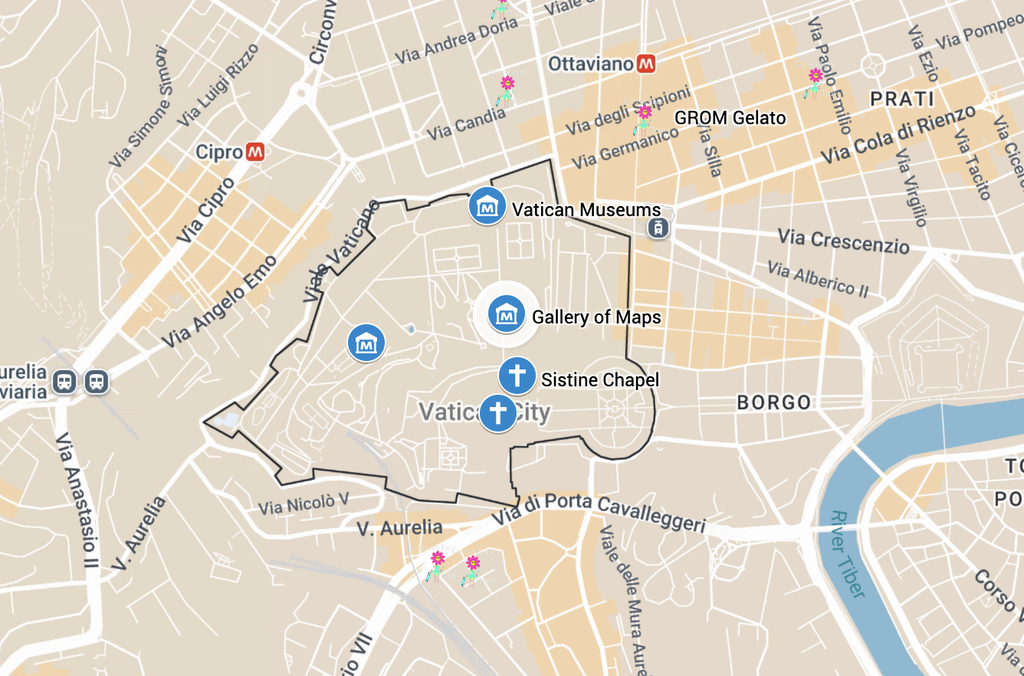
| Gallery of Maps – Inside Vatican Museums | Celiachiamo Lab Map 8 min 600m New Food Experience Map 11 min 850m El Maíz Map 4 min 300m |
| Sistine Chapel – Inside Vatican Museums | Celiachiamo Lab Map 8 min 600m New Food Experience Map 11 min 850m El Maíz Map 4 min 300m |
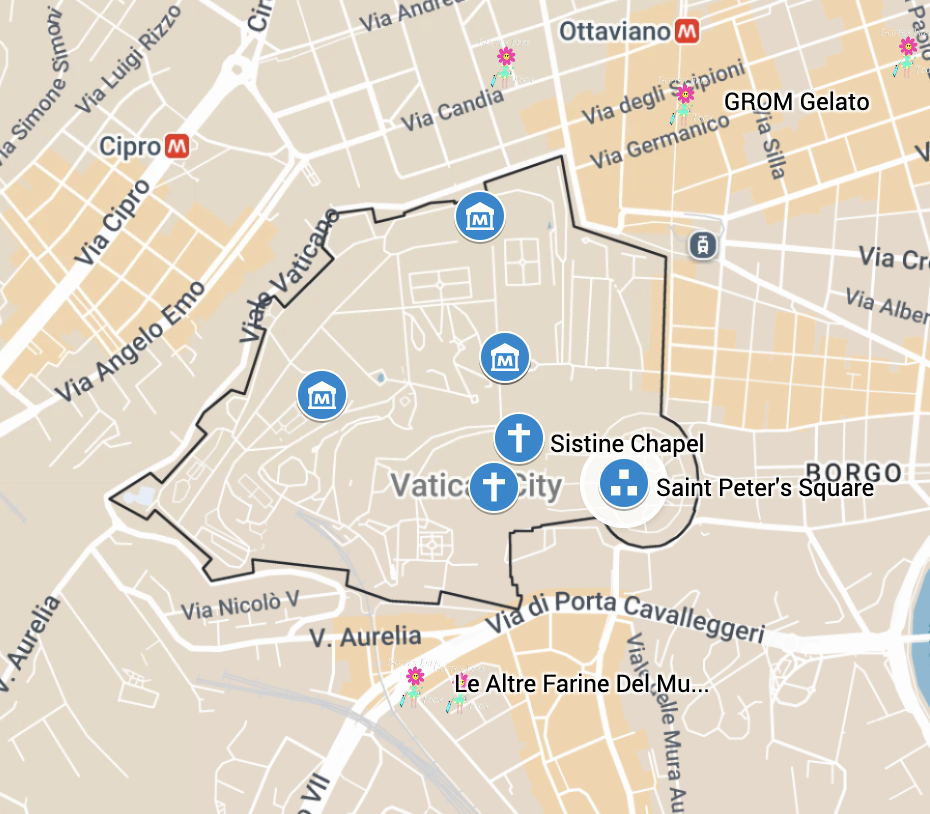
| St. Peter’s Basilica | Le Altre Farine Map 10 min 700m Gluten Free San Pietro Map 10 min 700m |
| St. Peter’s Square | Le Altre Farine Map 12 min 850 m Gluten Free San Pietro Map 13 min 900m |
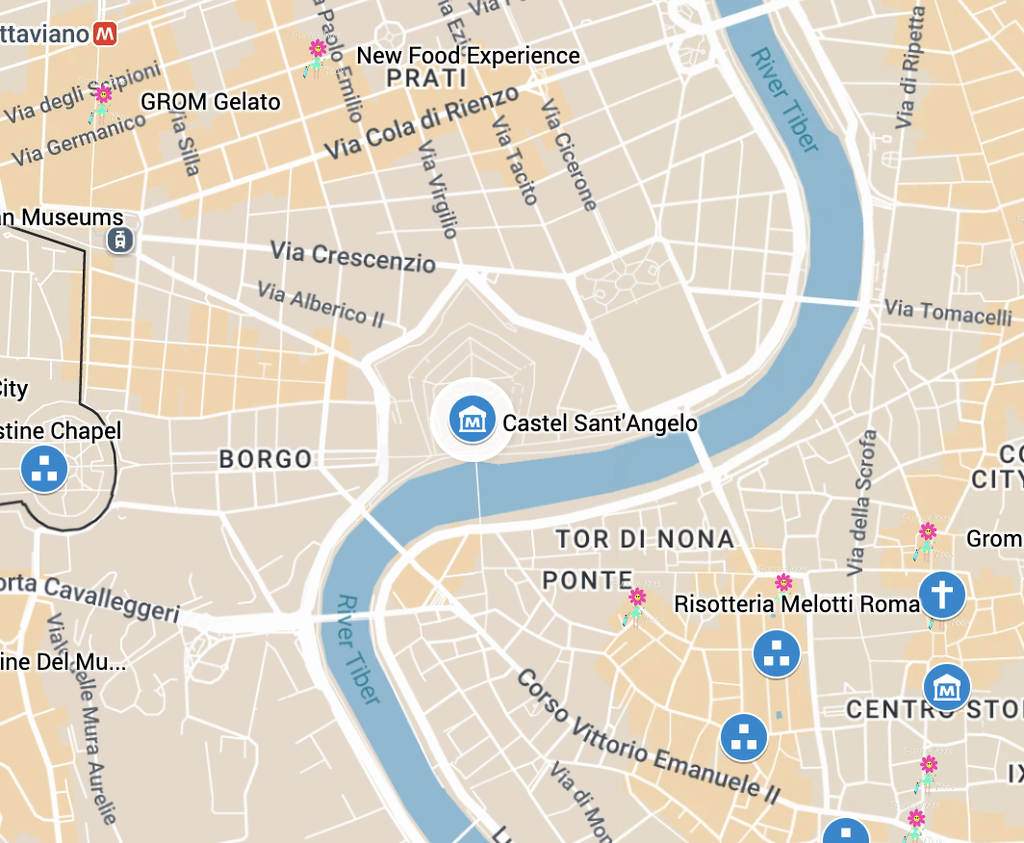
| Castel Sant’Angelo | Risotteria Melotti Map 7 min 550m |
Important: the Vatican Gardens, Gallery of Maps and Sistine Chapel are not separate walking destinations. They’re part of the same Vatican visit, so plan food around your museum entry and exit rather than trying to leave between attractions.
Vatican Gardens
The Vatican Gardens offer a peaceful escape from the crowds of Rome and a rare opportunity to explore the beautifully landscaped grounds of Vatican City. Covering approximately half of the Vatican’s territory, these gardens feature a wonderful mix of manicured lawns, winding pathways, fountains, sculptures and colourful flower beds, alongside plants and trees from different parts of the world. Their history dates back to the Renaissance, when successive popes developed the grounds as a place for prayer, reflection and relaxation. As you wander through the gardens, you’ll discover ornate fountains, historic monuments, sections of medieval walls and charming grottoes, all set against the backdrop of the Vatican’s impressive architecture. The gardens also offer beautiful views of St. Peter’s Basilica and provide a different perspective on the world’s smallest independent state. Unlike many public gardens, the Vatican Gardens can only be visited through an authorised guided tour, which must generally be booked in advance. The guided experience provides insight into the gardens’ history, symbolism and significance to the papacy. Allow around two hours for the visit, depending on your tour, and check the official Vatican Museums website for availability, access requirements and booking details. It’s a wonderful way to experience a quieter, greener side of Vatican City before continuing to explore its world-famous religious and artistic treasures.
Vatican Museums
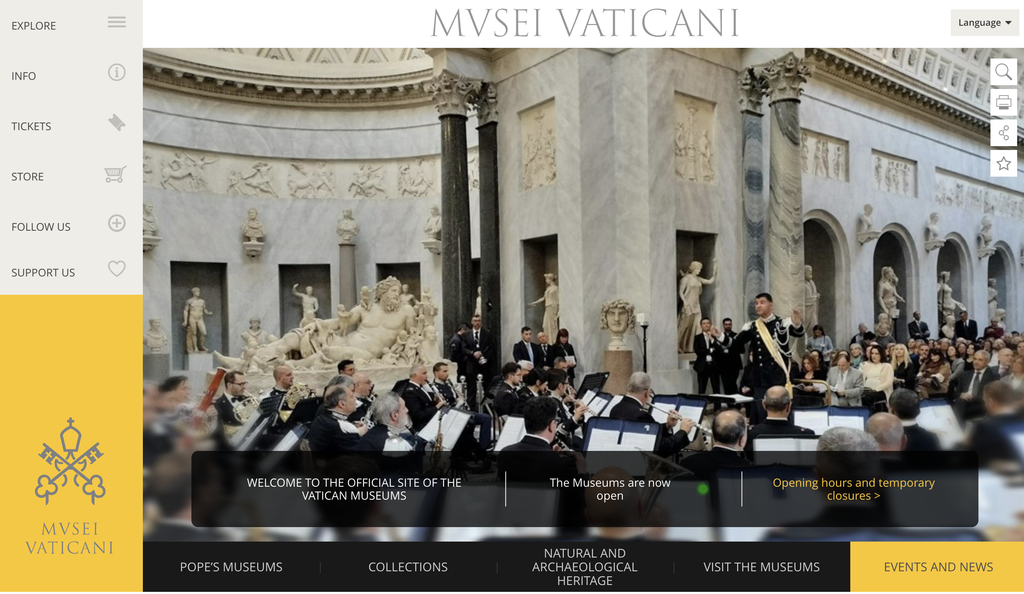
The Vatican Museums are among the world’s most extraordinary cultural attractions, home to an immense collection of art, sculpture and historical treasures gathered by popes over many centuries. Founded in the early 16th century by Pope Julius II, the museums contain galleries filled with masterpieces from ancient Egypt, Greece and Rome, as well as Renaissance paintings, elaborate tapestries and beautifully decorated rooms. One of the most famous highlights is the Sistine Chapel, where Michelangelo’s breathtaking ceiling frescoes depict scenes from the Book of Genesis, including the iconic Creation of Adam. The chapel is also the setting for the papal conclave, when cardinals gather to elect a new pope. Another must see is the Raphael Rooms, a series of magnificent chambers decorated with frescoes by Raphael and his workshop. As you make your way through the museums, you’ll also encounter the Gallery of Maps, with its impressive painted maps of Italy, and the beautiful spiral staircase near the exit. The collections are extensive, so it’s worth planning your route in advance and allowing several hours for your visit. Booking tickets online ahead of time is strongly recommended, as queues can be extremely long, particularly during peak tourist seasons. Remember that the Vatican Museums have a dress code, generally requiring shoulders and knees to be covered, and the Sistine Chapel has strict rules about photography and silence. This is an unforgettable experience for anyone interested in art, history and the extraordinary cultural legacy of the Vatican.
Sistine Chapel – Inside Vatican Museums
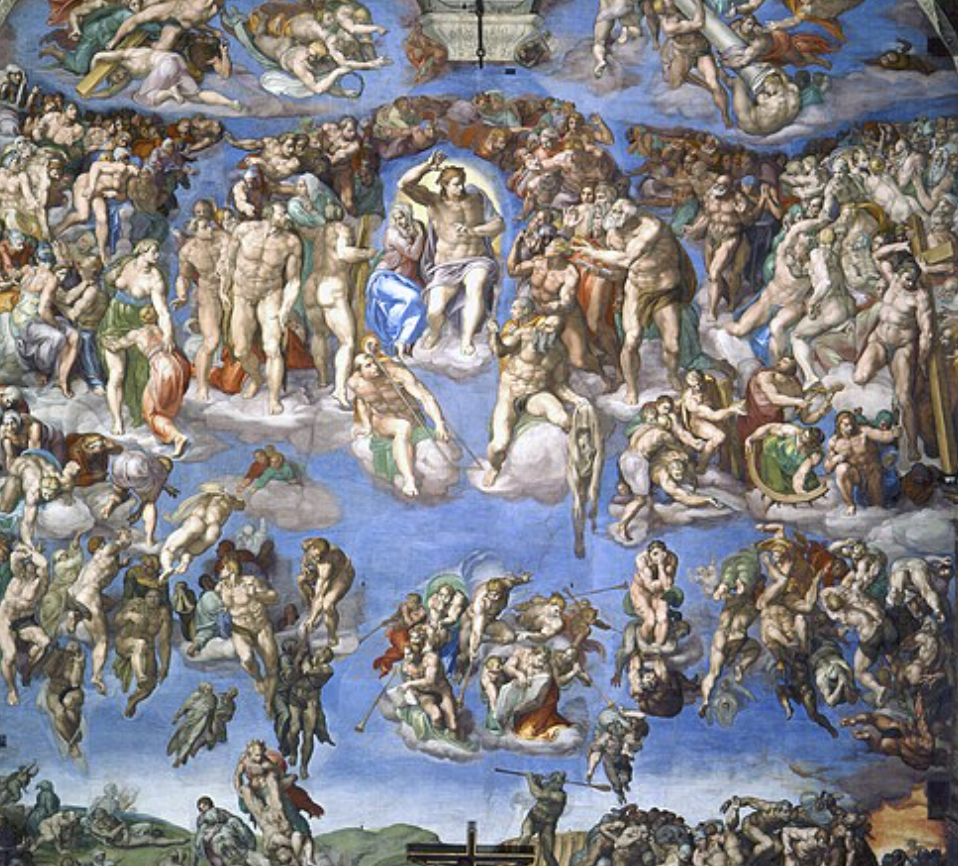
The Sistine Chapel is one of the world’s most celebrated artistic and religious treasures, located within the Vatican Museums. Best known for Michelangelo’s extraordinary ceiling frescoes, completed between 1508 and 1512, the chapel features scenes from the Book of Genesis, including the iconic Creation of Adam, in which God reaches out to touch Adam’s finger. Michelangelo later returned to paint The Last Judgment on the altar wall, a dramatic depiction of Christ’s second coming that took several years to complete. Although Michelangelo is the chapel’s most famous artist, other Renaissance masters, including Botticelli, Perugino and Ghirlandaio, contributed beautiful frescoes to its walls. Beyond its artistic importance, the Sistine Chapel plays a vital role in the Catholic Church as the setting for the papal conclave, where cardinals gather to elect a new pope. Visitors enter the chapel as part of their Vatican Museums tour, so be sure to look up and take your time appreciating the remarkable detail across the ceiling. Photography and filming are prohibited inside, and visitors are expected to remain quiet and dress appropriately, with shoulders and knees covered. As one of the most memorable highlights of the Vatican Museums, the Sistine Chapel is an unforgettable experience for art lovers and history enthusiasts alike.
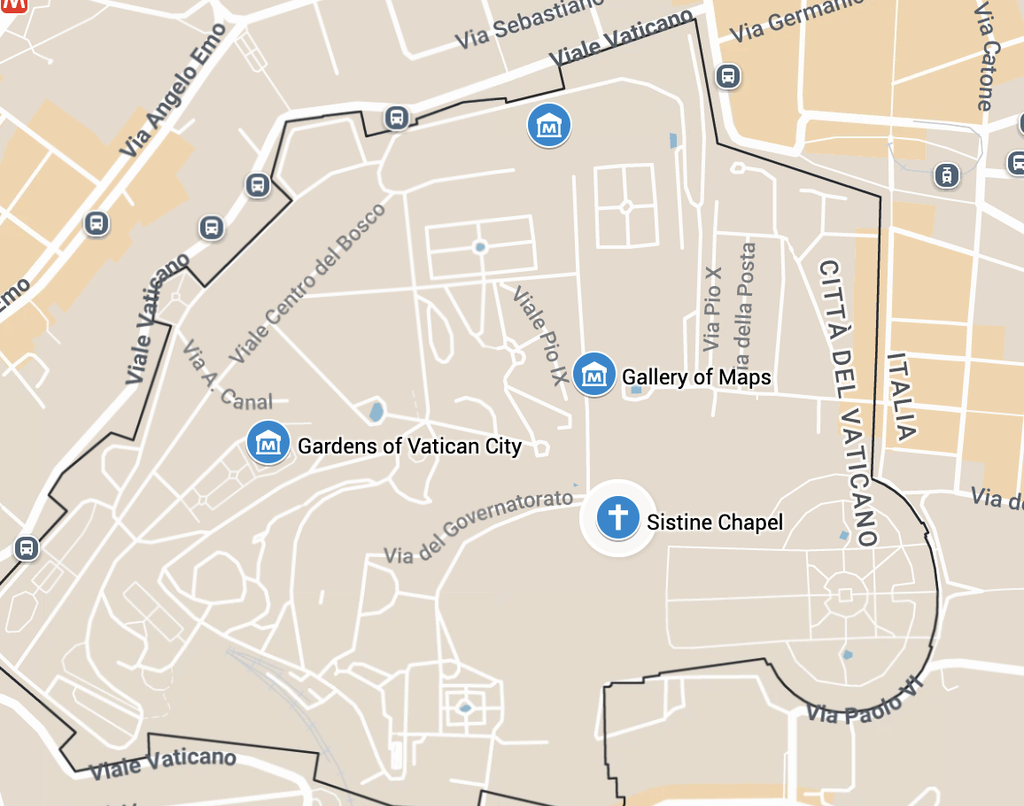
St. Peter’s Basilica – General entry is free; the dome climb and optional timed booking services cost extra.
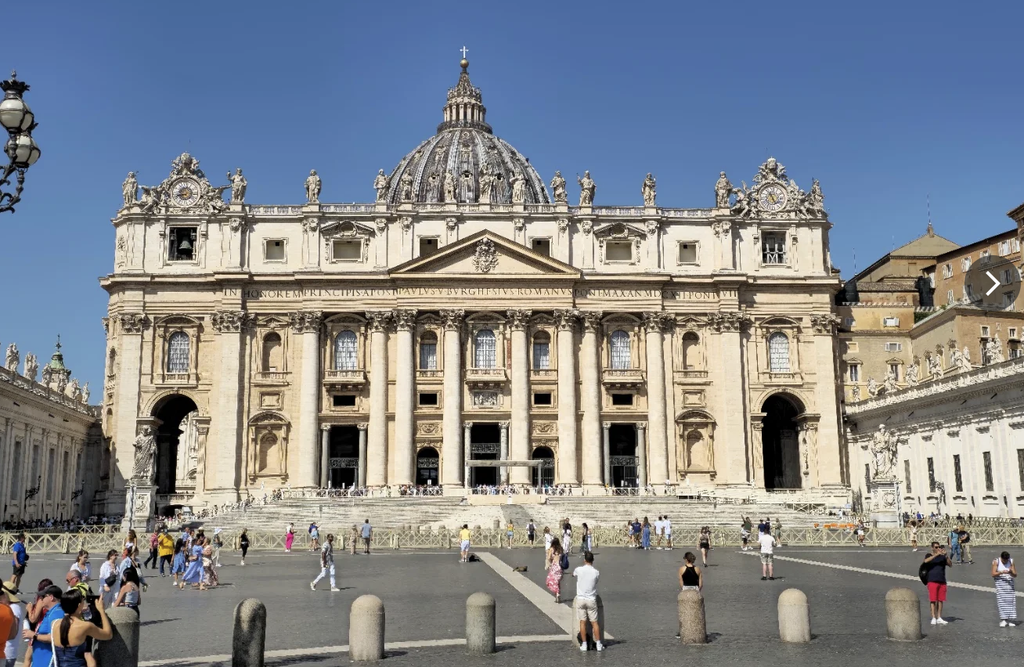
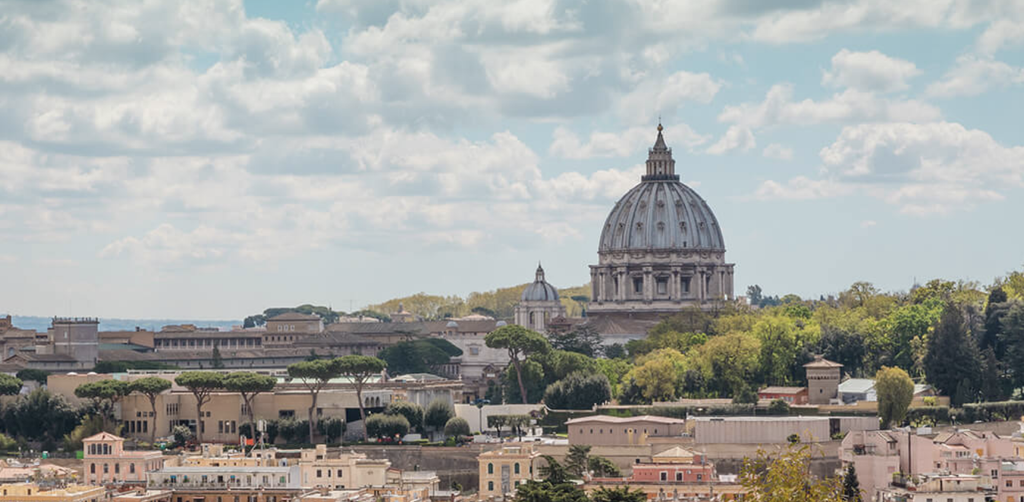
St. Peter’s Basilica is one of the most magnificent churches in the world and a major spiritual centre of the Catholic Church, located in the heart of Vatican City. Built over the traditional burial site of Saint Peter, one of Jesus’s apostles and the first pope according to Catholic tradition, the basilica was constructed between the 16th and 17th centuries, replacing an earlier church commissioned by Emperor Constantine. Some of the greatest artists and architects of the Renaissance and Baroque periods contributed to its design, including Michelangelo, who designed the iconic dome, and Gian Lorenzo Bernini, who created the spectacular bronze canopy known as the Baldachin above the papal altar. Inside, you’ll find Michelangelo’s moving marble sculpture Pietà, depicting Mary holding the body of Jesus, as well as breathtaking mosaics, ornate chapels and monumental works of art. The vast interior is filled with intricate details, from the patterned marble floors to the enormous columns and gilded decorations. For an unforgettable experience, consider climbing to the top of the dome, where you’ll be rewarded with spectacular views across St. Peter’s Square, Vatican City and the rooftops of Rome. Entry to the basilica itself is generally free, although queues can be long, and access to the dome requires a separate ticket. Remember to dress modestly, with shoulders and knees covered, and check official opening times before your visit.
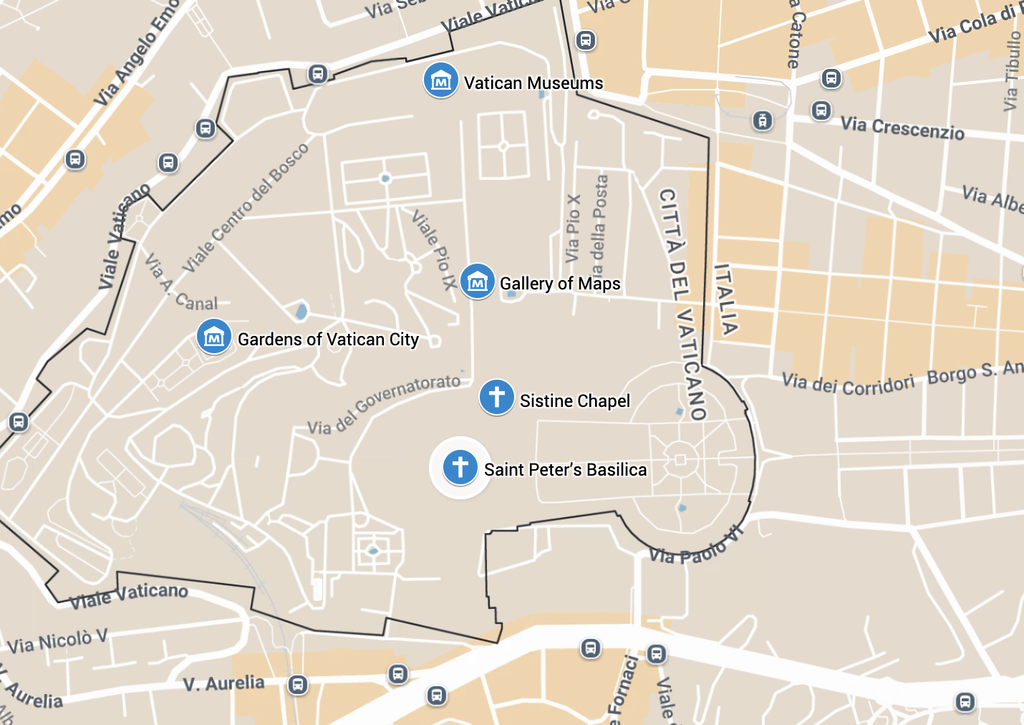
Gallery of Maps – Inside Vatican Museums
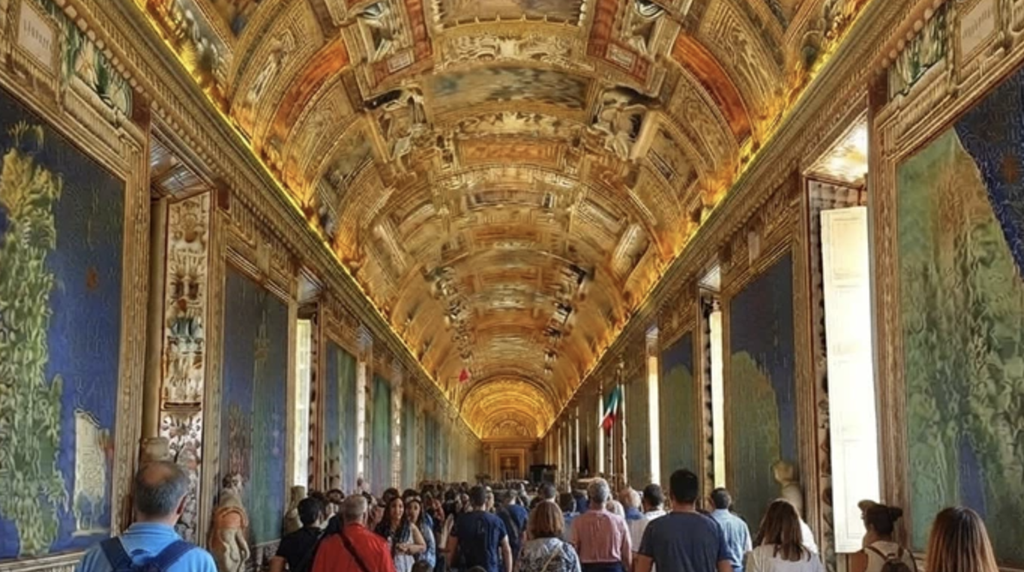
The Gallery of Maps is one of the most beautiful and memorable corridors inside the Vatican Museums, combining geography, history and Renaissance artistry in a spectacular setting. Created between 1580 and 1585 under Pope Gregory XIII, the gallery features 40 enormous painted maps depicting the regions of the Italian peninsula as they were understood in the 16th century. The maps were designed by geographer Ignazio Danti and offer a fascinating glimpse into how Italy’s cities, coastlines and landscapes were represented long before modern mapping technology. As you walk through the long corridor, look up to admire the richly decorated ceiling, covered in intricate frescoes depicting religious scenes and historical events. The combination of detailed maps, gilded ornamentation and colourful artwork makes this gallery feel almost like an elaborate painted palace. One particularly interesting feature is the way the maps show Italy from different perspectives, with the regions arranged along opposite walls. Take your time to spot familiar places and compare the historical geography with modern Italy. The Gallery of Maps is part of the Vatican Museums, so you’ll need a museum admission ticket to visit. It’s also a popular photography spot, so pause to appreciate the extraordinary ceiling and long perspective of the corridor as you make your way through this remarkable collection.
St. Peter’s Square – Piazza San Pietro
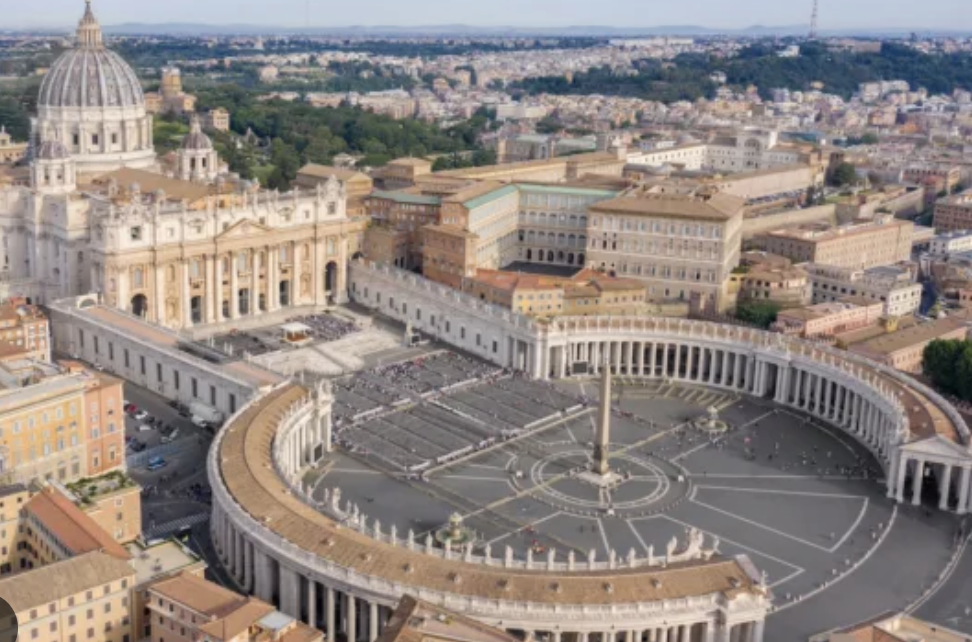
St. Peter’s Square (Piazza San Pietro)
St. Peter’s Square is one of the most recognisable public spaces in the world, welcoming visitors to the heart of Vatican City in front of the magnificent St. Peter’s Basilica. Designed by the celebrated Baroque architect Gian Lorenzo Bernini in the 17th century, the square is famous for its sweeping colonnades, which curve around the open space like welcoming arms. The four rows of towering columns create an extraordinary architectural effect, and Bernini designed the layout so that, from certain points marked on the ground, the columns appear to line up perfectly into a single row. At the centre of the square stands an ancient Egyptian obelisk, originally brought to Rome during the reign of Emperor Caligula, alongside two beautiful fountains. St. Peter’s Square is the setting for major religious celebrations, including papal audiences and the pope’s Sunday Angelus address, when crowds gather to hear his message. Even outside these events, the square is an impressive place to admire the architecture, take photographs and appreciate the scale of the basilica’s grand façade. Entry to the square is free, although security checks may be required, particularly during busy periods and special events. For a memorable view, visit early in the morning when the light illuminates the basilica and the square is generally quieter, or return in the evening to see the monuments beautifully lit.
Castel Sant’Angelo
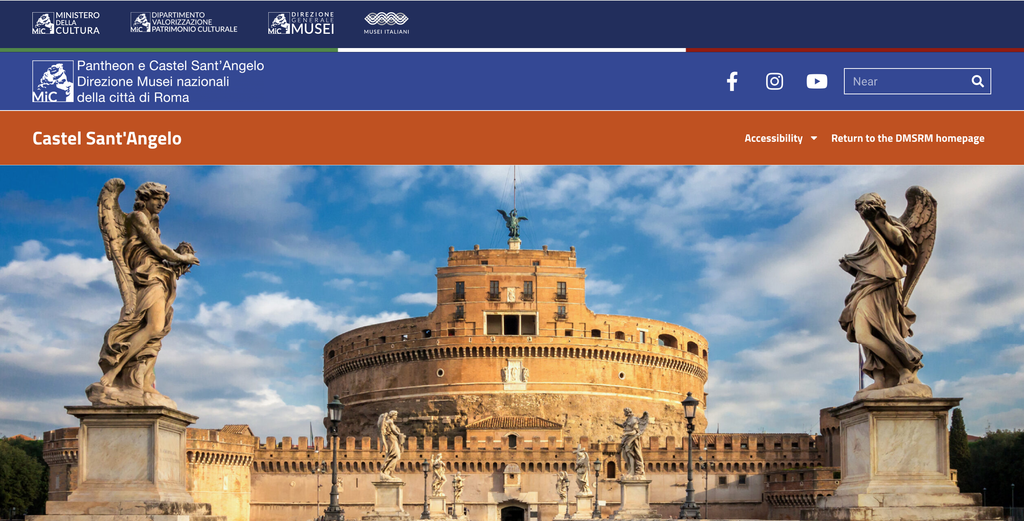
Castel Sant’Angelo is a fascinating historic fortress on the banks of the River Tiber, offering a journey through nearly 2,000 years of Roman history. Originally built around 135 AD as a mausoleum for Emperor Hadrian and his family, the enormous cylindrical structure was later transformed into a military fortress and papal refuge. During the Middle Ages, it became connected to the Vatican through the fortified Passetto di Borgo, an elevated passageway that allowed popes to escape to safety during times of danger. The castle takes its name from a legend that the Archangel Michael appeared above the building in 590 AD, signalling the end of a devastating plague. Today, a statue of the archangel stands atop the fortress, watching over the city. Inside, you can explore historic rooms, former papal apartments, military exhibits and beautifully decorated chambers that reveal the building’s changing role over the centuries. One of the highlights is the rooftop terrace, which offers spectacular panoramic views of Rome, the River Tiber, St. Peter’s Basilica and the surrounding rooftops. Before entering, take a moment to admire the striking Ponte Sant’Angelo, the beautiful pedestrian bridge lined with angel sculptures designed by Gian Lorenzo Bernini and his workshop. Allow around one to two hours to explore the castle, and check ticket availability and opening times before your visit. It’s an excellent stop for history lovers and anyone looking for some of Rome’s most memorable views.
Cluster D — Villa Borghese and the Spanish Steps
| Sight | Gluten free stops |
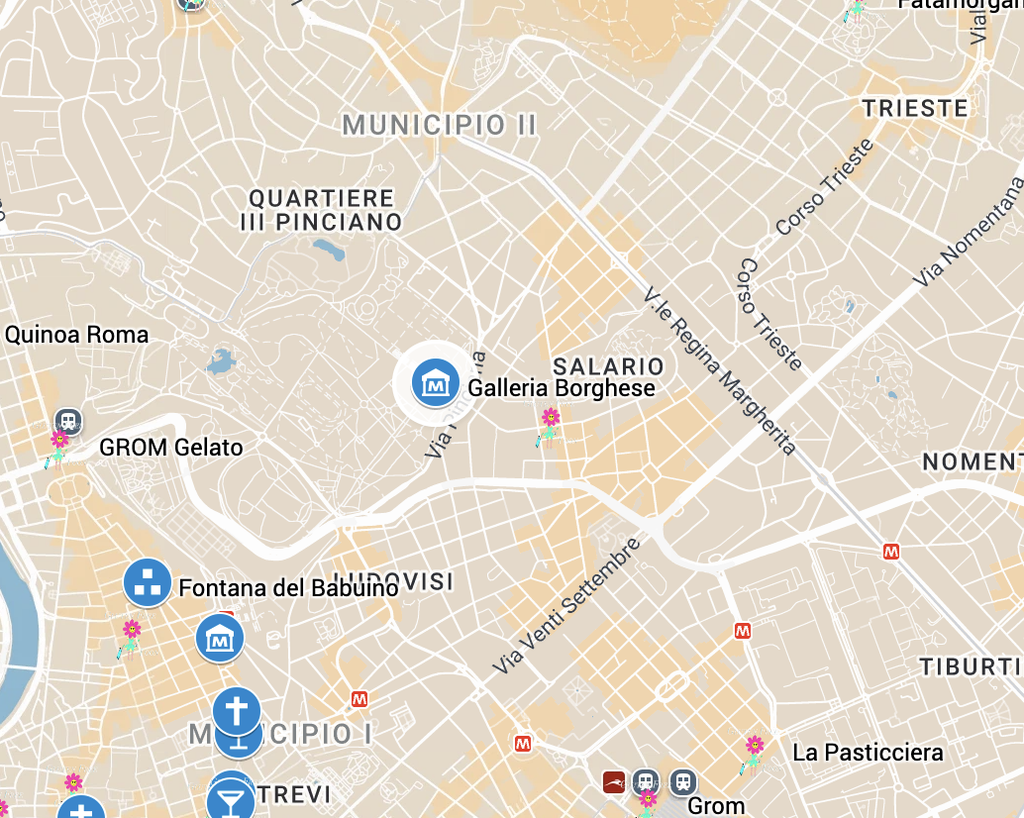
| Galleria Borghese | Fatamorgana Via della Croce Map 29 min 1.9 km |
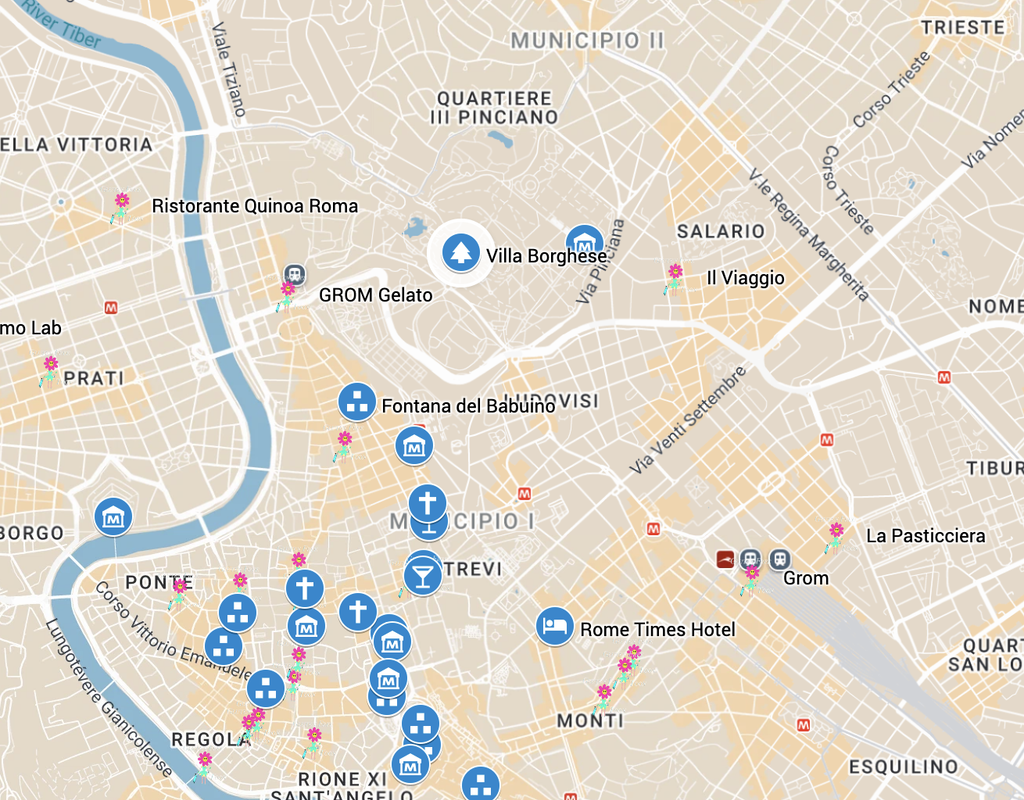
| Villa Borghese | Fatamorgana Via della Croce Map 12 min 800m |
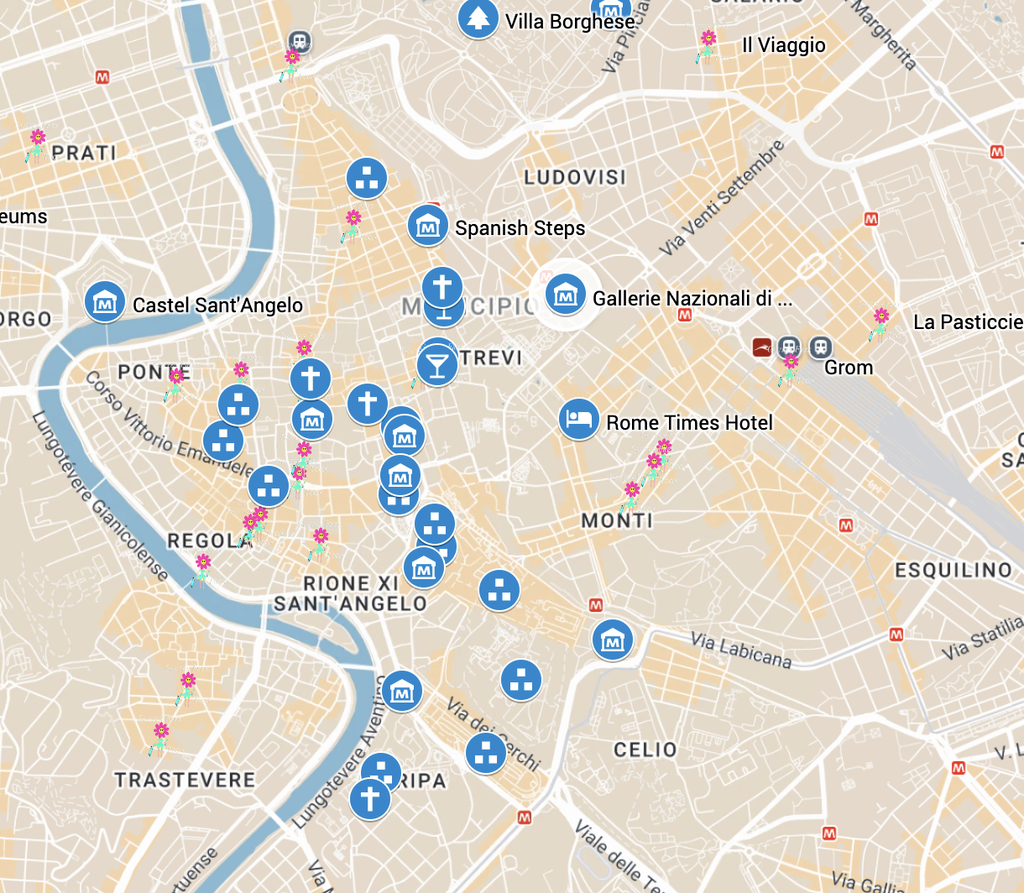
| National Gallery of Ancient Art (Palazzo Barberini) | Gelato in Trevi; Map 8 min 650m Gelato G Italiano Map 9 min 750m |
| Piazza di Spagna Spanish Steps | Fatamorgana Via della Croce Map 5 min 350m |
| Fontana del Babuino | Fatamorgana Via della Croce Map 5 min 350m |
Galleria Borghese
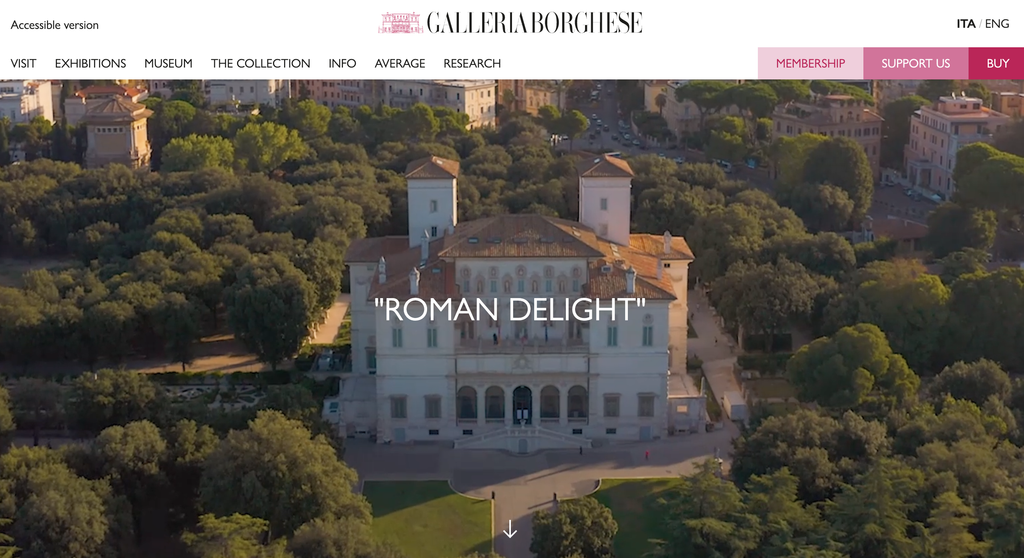
The Galleria Borghese is one of Rome’s most extraordinary art museums, housed inside a beautiful villa surrounded by the landscaped gardens of Villa Borghese. The gallery was established in the early 17th century by Cardinal Scipione Borghese, an avid art collector and nephew of Pope Paul V, who assembled an exceptional collection of paintings, sculptures and antiquities. Today, the museum is particularly famous for its remarkable sculptures by Gian Lorenzo Bernini, including Apollo and Daphne, which captures the dramatic moment Daphne transforms into a laurel tree, and The Rape of Proserpina, renowned for its astonishingly lifelike marble details. You’ll also find masterpieces by Caravaggio, Raphael, Titian and Canova, including Canova’s elegant sculpture of Pauline Bonaparte. The richly decorated rooms, with their painted ceilings, intricate mosaics and ornate marble floors, are almost as impressive as the artworks themselves. Unlike many larger museums, the Galleria Borghese operates with timed entry and limited visitor numbers, creating a more intimate experience. Booking tickets well in advance is essential, as popular time slots often sell out. Visits typically last two hours, giving you time to appreciate the collection without feeling rushed. Afterwards, take a stroll through the surrounding Villa Borghese gardens, where you’ll find peaceful pathways, fountains and lovely viewpoints overlooking Rome. It’s an ideal combination of world class art and a relaxing escape from the busy city streets.
Villa Borghese
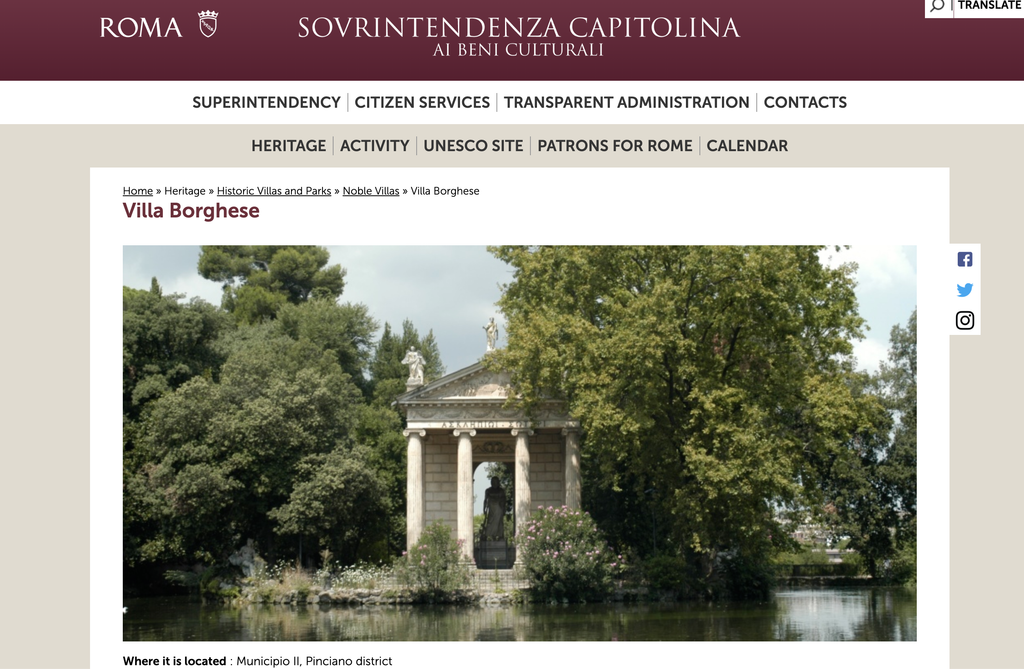
Villa Borghese is one of Rome’s largest and most beautiful public parks, offering a peaceful escape from the busy streets and historic monuments of the city centre. Originally created in the early 17th century as the private estate of the powerful Borghese family, the gardens were later opened to the public and are now a favourite spot for both locals and visitors. The expansive park features tree lined avenues, landscaped lawns, elegant fountains, sculptures and quiet walking paths, making it an ideal place to relax between sightseeing stops. One of its main attractions is the Galleria Borghese, a world renowned art museum housed in the family’s former villa, with masterpieces by Bernini, Caravaggio and other celebrated artists. You’ll also find the picturesque Temple of Aesculapius beside a small lake, where visitors can admire the classical architecture and enjoy the tranquil surroundings. For one of the best panoramic views in Rome, head to the Pincio Terrace, which overlooks Piazza del Popolo and the city’s rooftops, particularly beautiful at sunset. The gardens are perfect for walking, cycling or simply taking a break from sightseeing, and there are several cafés and refreshment stops within the park. Allow at least an hour to explore a small section, or longer if you plan to visit the museum or enjoy a leisurely stroll. Villa Borghese is a wonderful reminder that Rome offers not only extraordinary history and architecture but also plenty of green space to unwind.
National Gallery of Ancient Art (Palazzo Barberini)
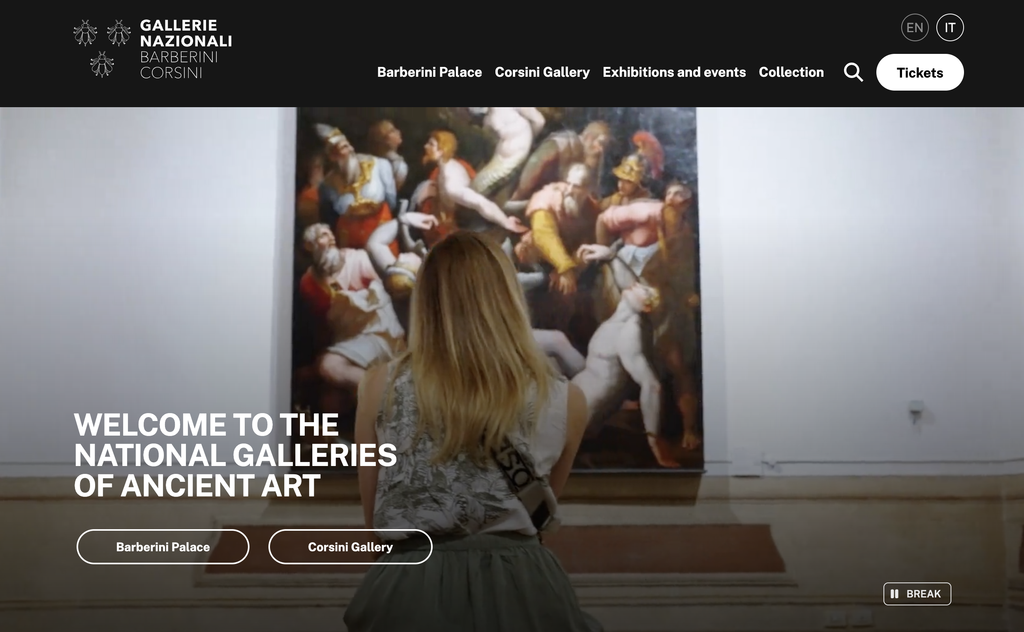
The National Gallery of Ancient Art at Palazzo Barberini is a wonderful destination for art lovers, housed in one of Rome’s most impressive Baroque palaces. Built in the 17th century for the powerful Barberini family, the palace was designed with contributions from celebrated architects Carlo Maderno, Gian Lorenzo Bernini and Francesco Borromini. Its grand staircase, elegant halls and magnificent painted ceilings make the building an attraction in its own right. Today, it houses an exceptional collection of Italian paintings spanning the 13th to the 18th centuries, including masterpieces by some of the most influential artists in European art history. Highlights include Caravaggio’s dramatic Judith Beheading Holofernes, Raphael’s beautiful La Fornarina and Hans Holbein the Younger’s celebrated portrait of Henry VIII. One of the palace’s most spectacular features is the ceiling fresco by Pietro da Cortona in the grand salon, depicting the Allegory of Divine Providence and Barberini Power in a breathtaking display of Baroque illusionism. Compared with Rome’s busiest attractions, Palazzo Barberini can offer a more relaxed museum experience, allowing you to appreciate the artworks and architecture at your own pace. Plan to spend around one to two hours exploring the collection, and check the official museum website for current opening hours and ticket information before visiting.
Fontana del Babuino – Pass By
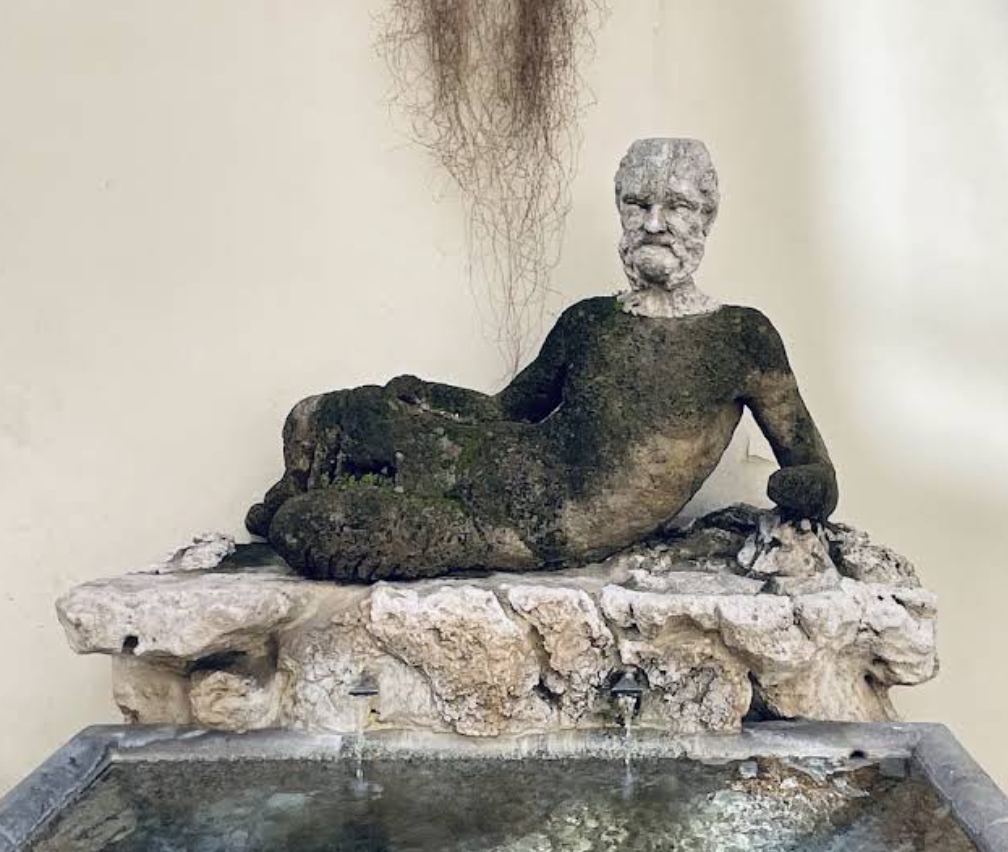
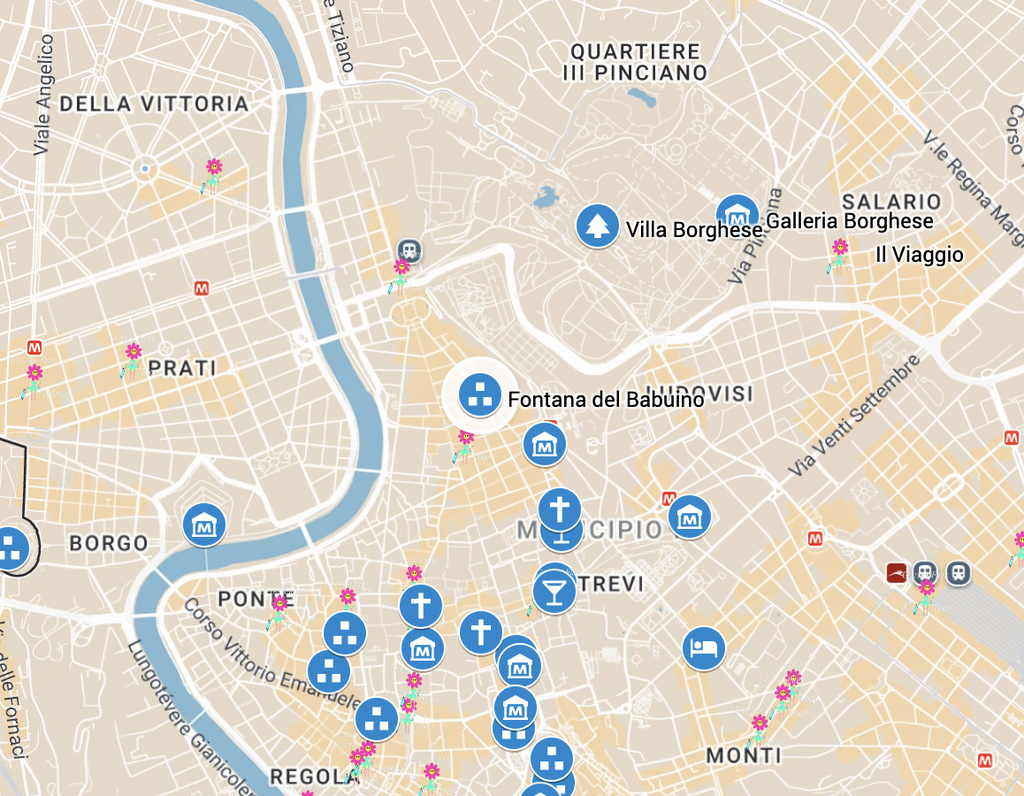
The Fontana del Babuino, or Baboon Fountain, is a quirky little landmark tucked away along Via del Babuino, one of Rome’s elegant streets connecting Piazza del Popolo with Piazza di Spagna. The fountain features a weathered reclining figure that Romans thought resembled a baboon, giving it its unusual nickname. Created in the 16th century, the statue became one of Rome’s famous “talking statues,” associated with the tradition of anonymous satirical messages and political criticism posted by locals. These so called pasquinades allowed ordinary Romans to make witty remarks about powerful figures without revealing their identities. Although the fountain is modest compared with Rome’s grand Baroque masterpieces, it offers a fascinating glimpse into the city’s sense of humour and history. As you explore Via del Babuino, take a moment to look for this unusual sculpture among the historic buildings and fashionable shops. It’s a quick but interesting stop, especially if you’re walking between Piazza del Popolo and the Spanish Steps.
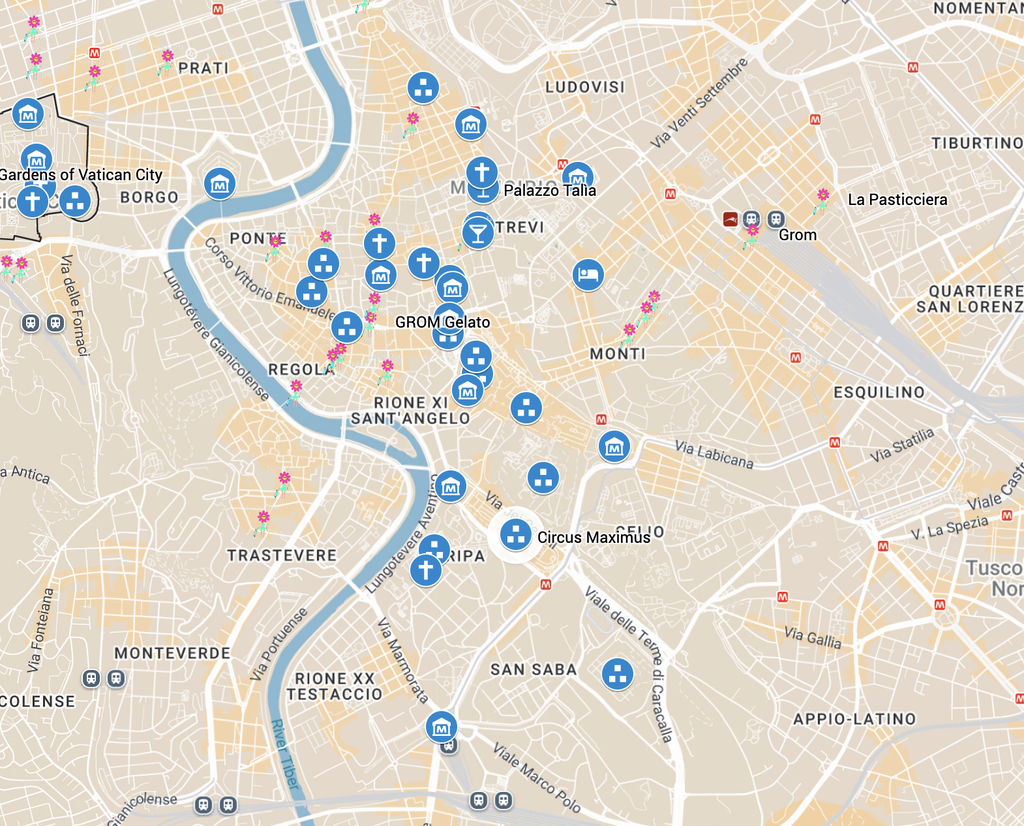
Cluster E — Aventine Hill and the southern sights
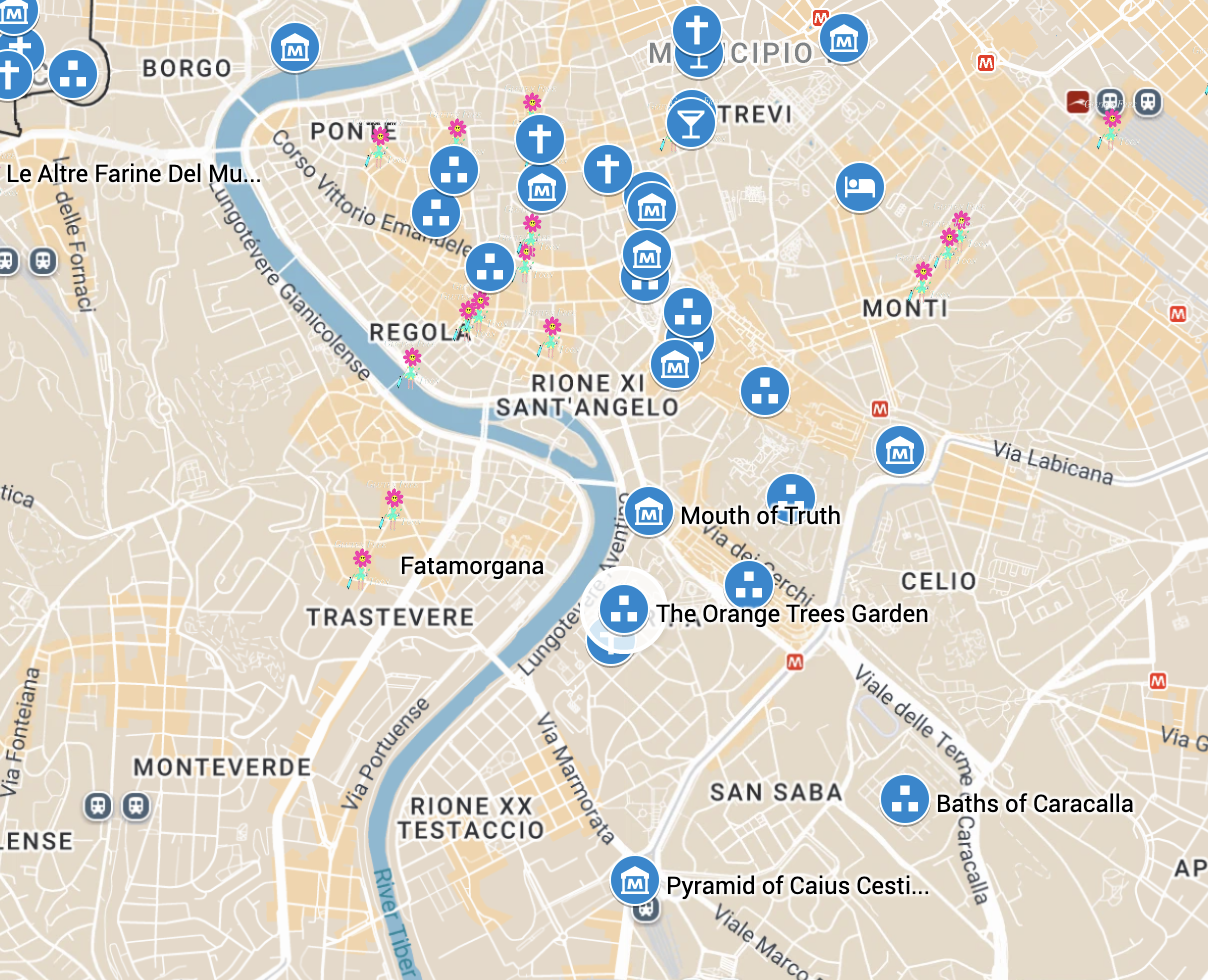
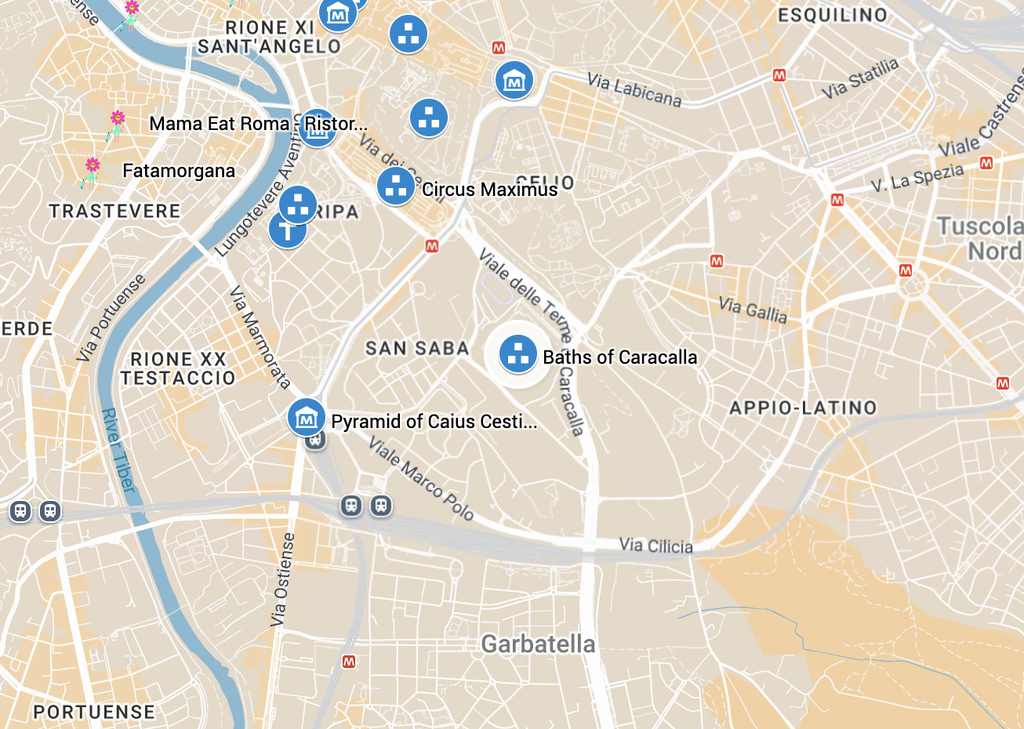
| Sight | Distance From Site |
| Circus Maximus | 18 min 1.3 km |
| Giardino degli Aranci | 25 min 1.6 km |
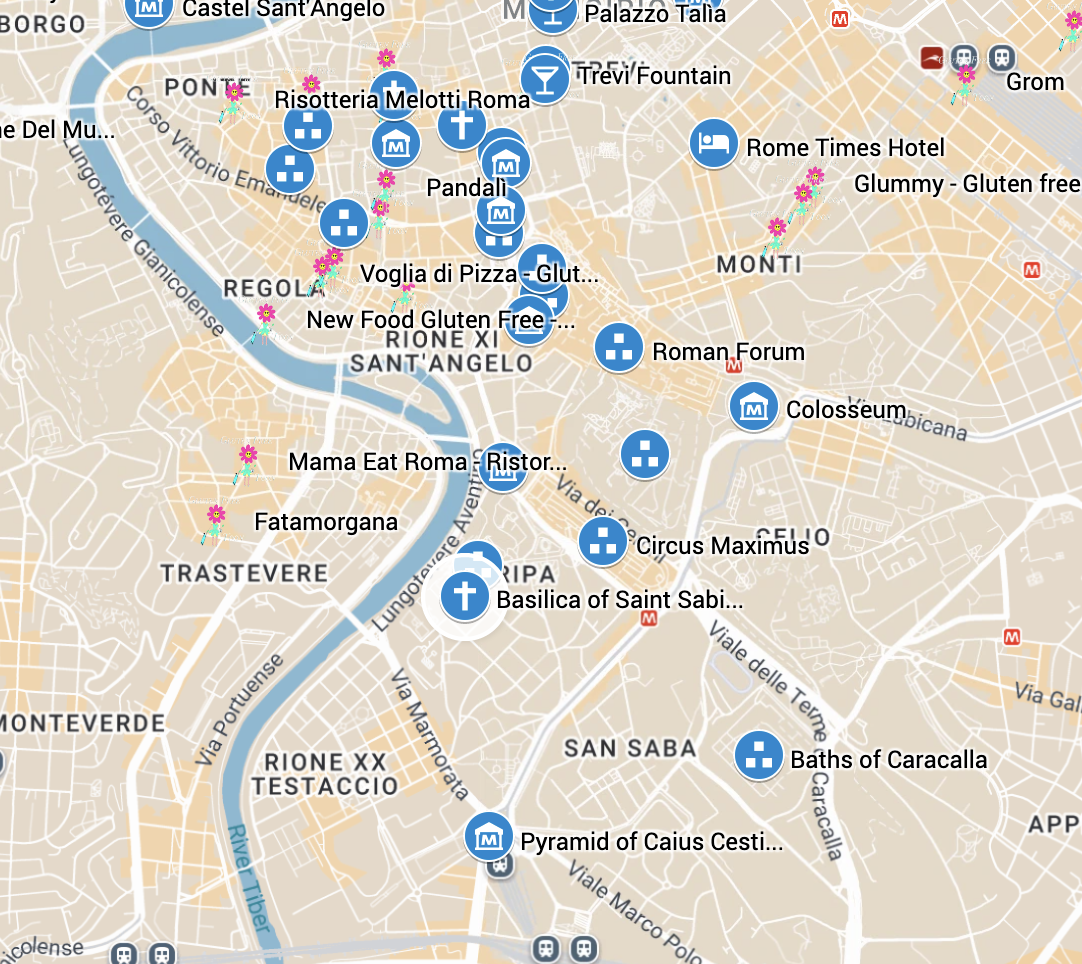
| Santa Sabina | 25 min 1.8 km |
| Pyramid of Caius Cestius | |
| Baths of Caracalla |
Circus Maximus
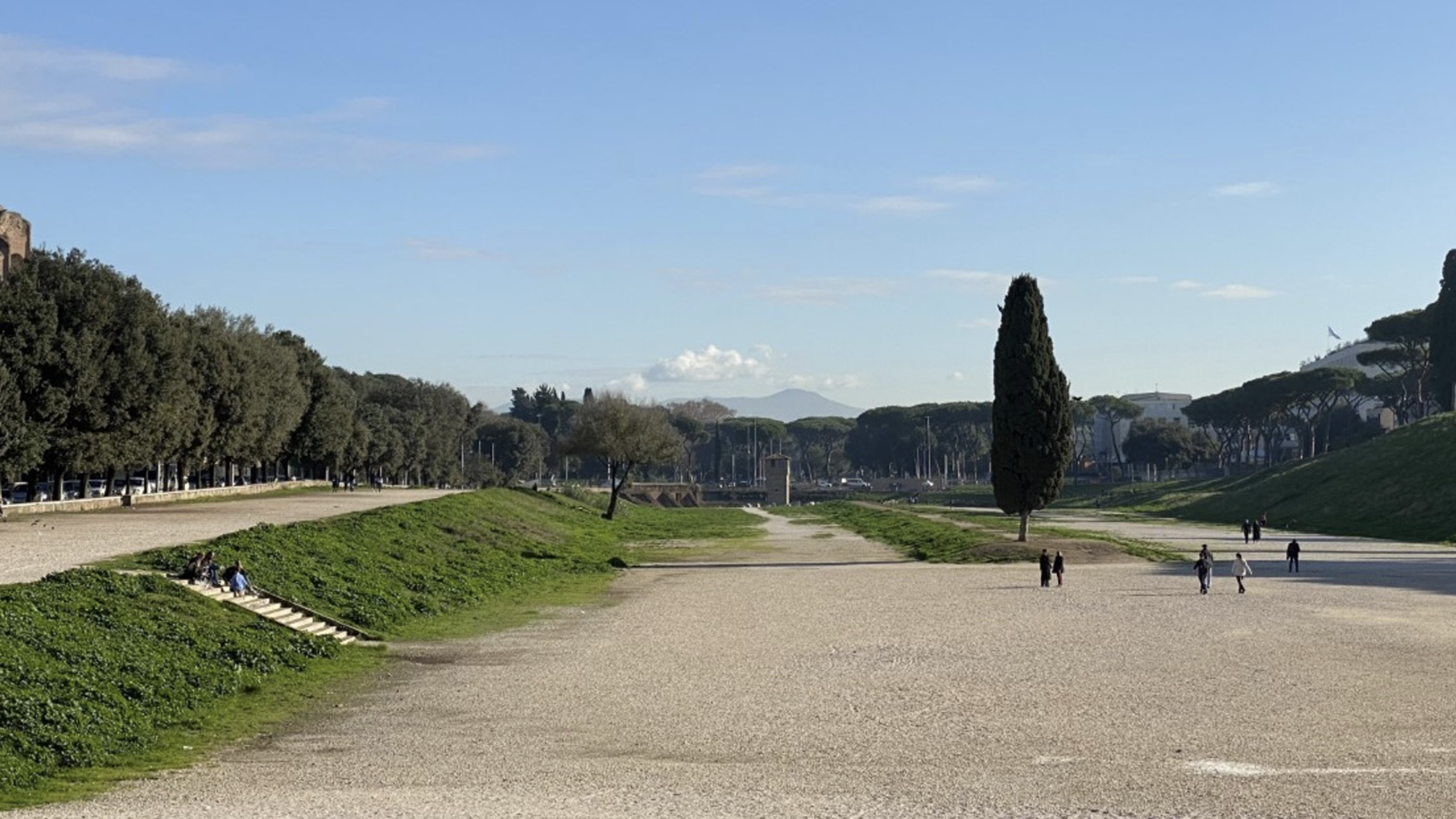
Circus Maximus was the largest stadium in ancient Rome and one of the most important venues for public entertainment in the Roman Empire. Located in the valley between the Palatine and Aventine Hills, this enormous arena once hosted thrilling chariot races that attracted crowds of up to 150,000 spectators, making it one of the biggest sporting venues of the ancient world. The site dates back to Rome’s earliest days, although it was expanded and developed over centuries by successive rulers. At its centre was a long divider called the spina, decorated with monuments and obelisks around which the chariots raced at breathtaking speeds. The races were dangerous, with drivers competing fiercely for victory, wealth and fame. Today, little of the original stadium remains above ground, but the vast grassy expanse gives you a sense of its extraordinary scale. You can walk through the site for free and imagine the roar of the crowds as chariots thundered around the track. For an excellent view of the former stadium, head towards the Palatine Hill, where the elevated perspective helps reveal the full outline of the arena. Circus Maximus is also used for concerts and large public events, so check ahead if you’re hoping to explore the site in peace. It’s a fascinating stop for anyone interested in ancient Roman sport, engineering and everyday life.
Giardino degli Aranci – The Orange Trees Garden
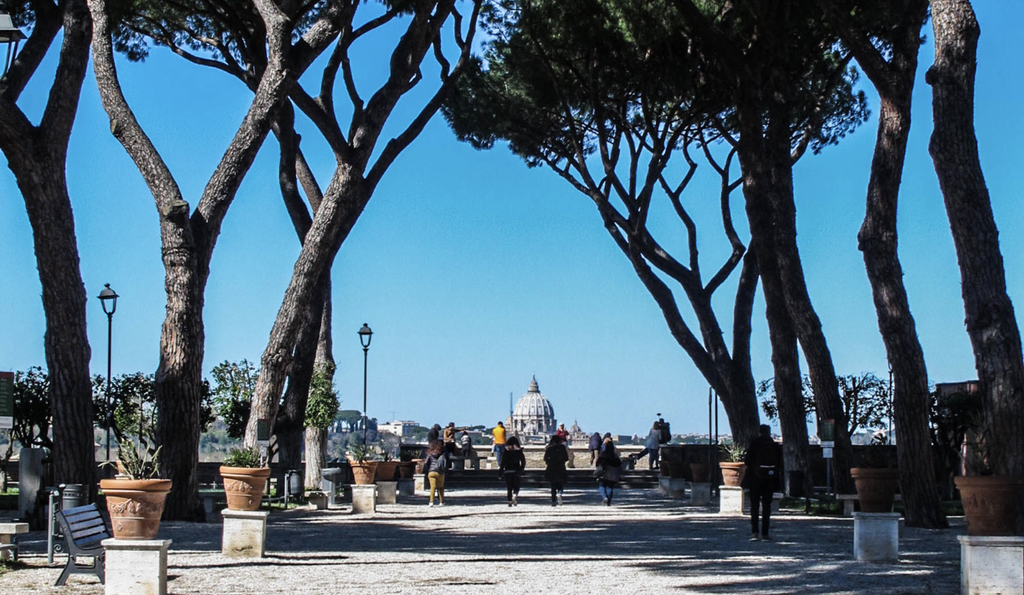
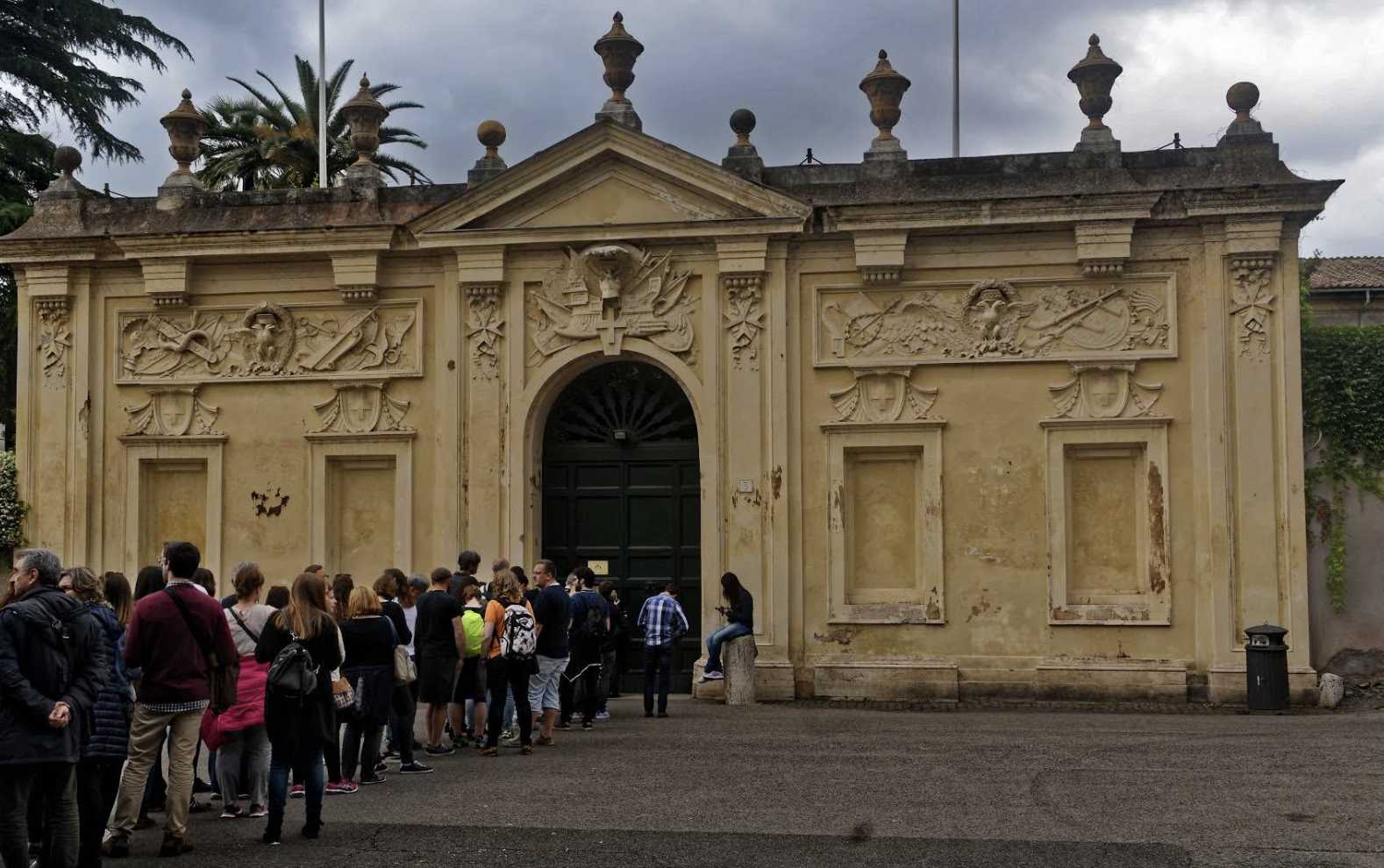
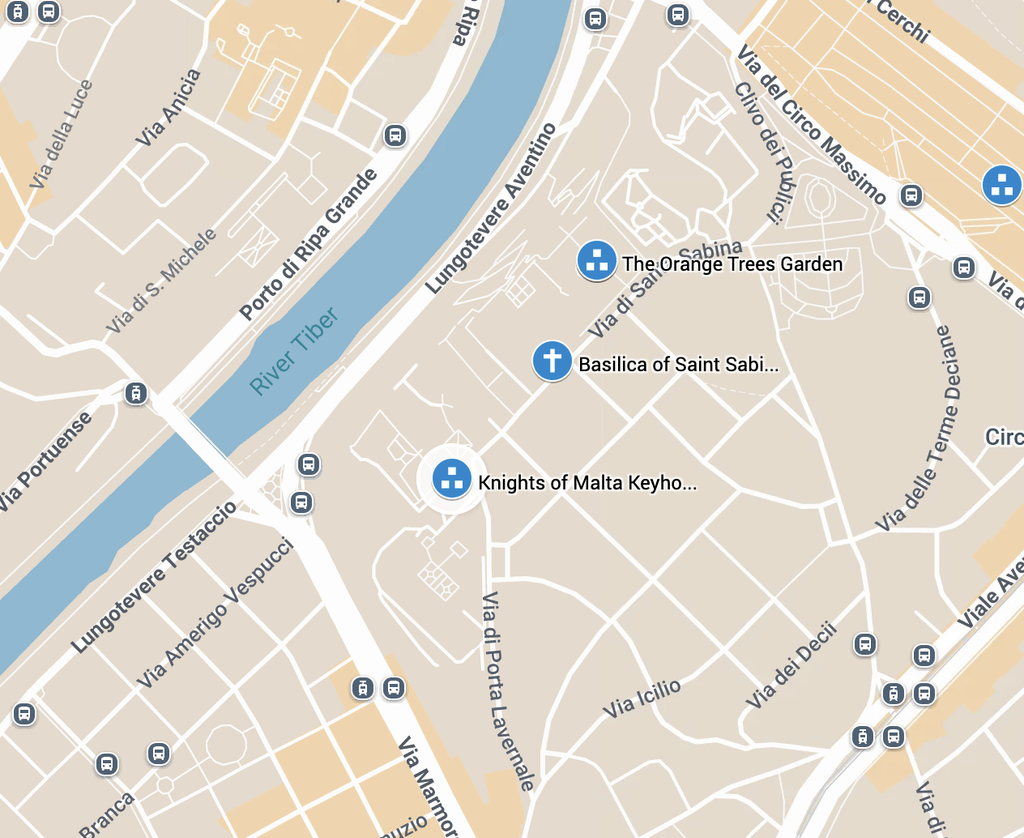
The Giardino degli Aranci, also known as the Orange Garden, is one of Rome’s most peaceful and romantic viewpoints, tucked away on the Aventine Hill. Officially called Parco Savello, this charming public garden is filled with fragrant orange trees, shaded pathways and beautiful greenery, offering a welcome escape from the busy streets below. The garden was laid out in the 1930s on the site of a former fortified area associated with the Savelli family, and its simple design creates a lovely atmosphere for a leisurely stroll. The real highlight is the panoramic terrace overlooking the River Tiber and the rooftops of Rome, with magnificent views towards St. Peter’s Basilica. It’s particularly beautiful at sunset, when the city is bathed in warm golden light and the skyline takes on a magical glow. While you’re on the Aventine Hill, you can also visit the nearby famous keyhole at the Priory of the Knights of Malta, where a perfectly framed view of St. Peter’s Basilica appears through the garden gate. The Orange Garden is free to enter and makes a wonderful stop after visiting Circus Maximus or exploring the Aventine neighbourhood. Bring your camera, take a moment to enjoy the peaceful surroundings and experience a quieter, more romantic side of the Eternal City.
Basilica of Saint Sabina – Free Entry
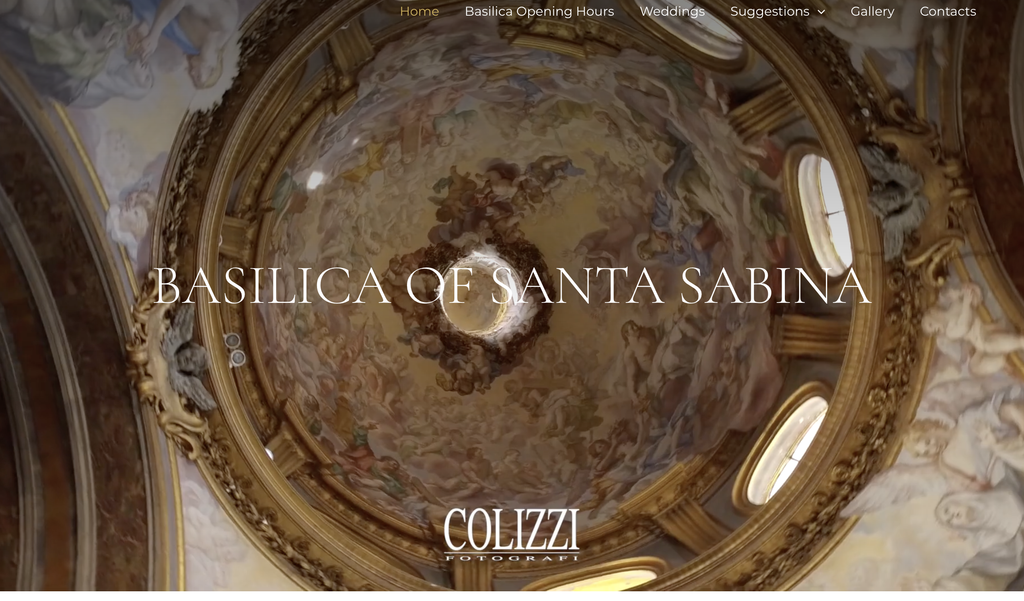
The Basilica of Saint Sabina is one of Rome’s oldest and most beautiful early Christian churches, peacefully situated on the Aventine Hill overlooking the city. Built in the 5th century, around 422–432 AD, the basilica is a remarkable example of early Christian architecture, with a simple yet elegant design that contrasts with the elaborate Baroque churches found elsewhere in Rome. Inside, you’ll find a spacious nave lined with ancient columns, a beautiful marble altar and intricate decorative details that reflect the church’s long history. One of its most treasured features is the original 5th century wooden door, which contains carved biblical scenes, including one of the earliest known depictions of the Crucifixion. The basilica is dedicated to Saint Sabina, a Roman noblewoman who, according to Christian tradition, was martyred for her faith. It later became closely associated with the Dominican Order, whose founder, Saint Dominic, lived and prayed here in the 13th century. Outside, the church’s peaceful courtyard and surrounding greenery create a wonderfully tranquil atmosphere. After visiting, take a short walk to the nearby Orange Garden for spectacular views across Rome. Saint Sabina is an ideal stop for those interested in early Christian history, religious art and discovering quieter corners of the Eternal City away from the busiest tourist routes.
Knights of Malta Keyhole
The famous gap in the door of Rome, from there you can see the dome of the Basilica of St. Peter perfectly centered.
Pyramid of Caius Cestius
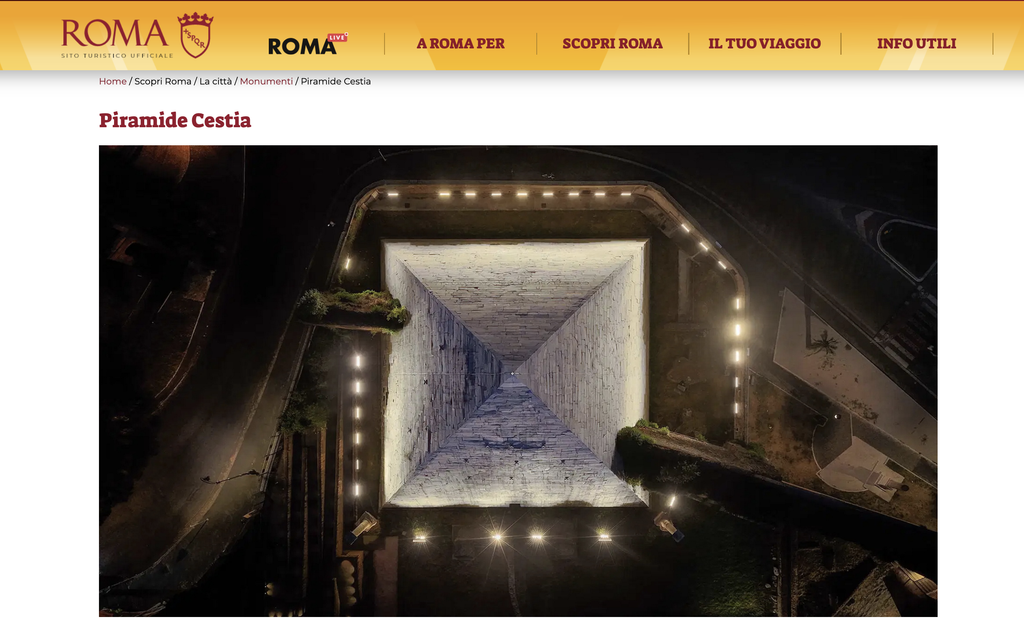
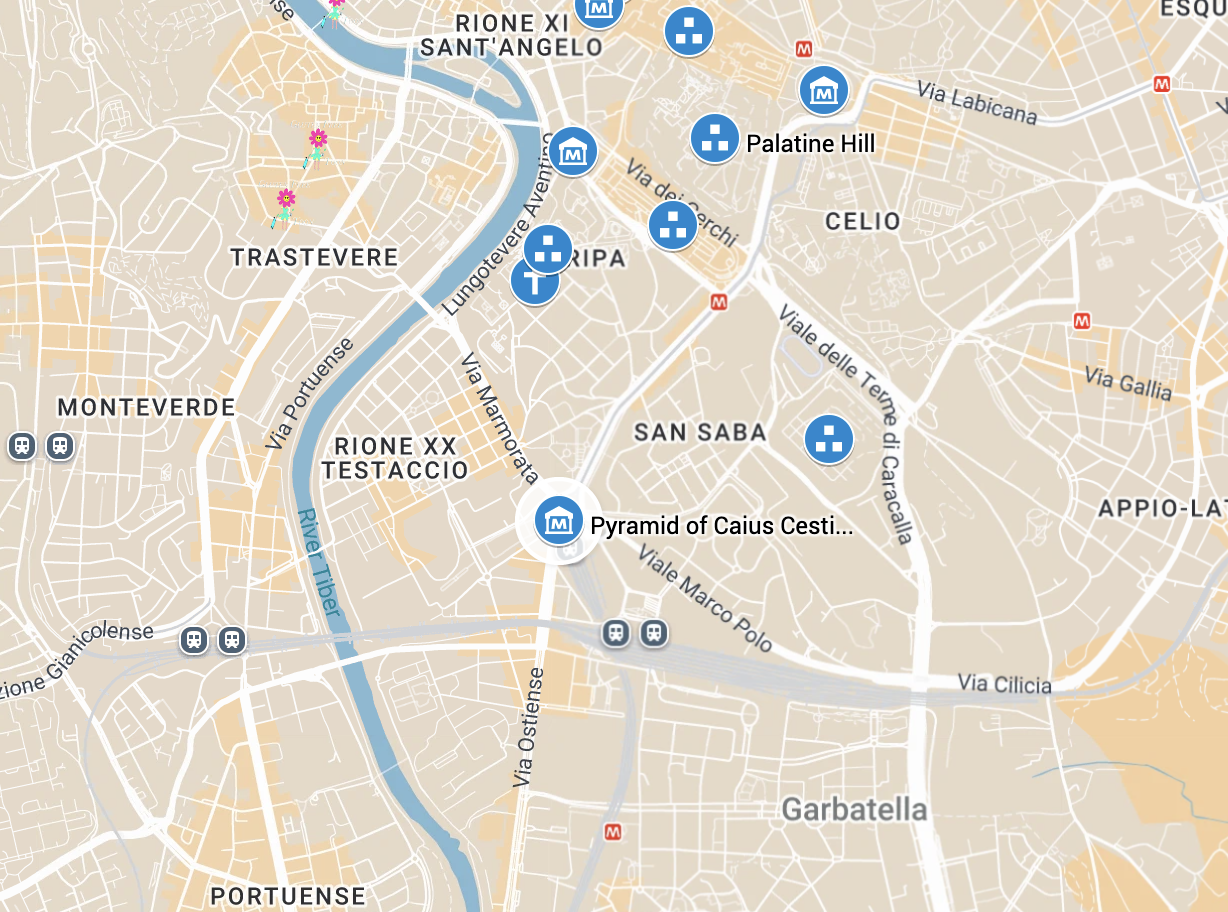
The Pyramid of Caius Cestius is one of Rome’s most unexpected landmarks, an ancient Egyptian style pyramid standing beside the busy streets near Porta San Paolo and the Protestant Cemetery. Built between 18 and 12 BC as a tomb for Caius Cestius, a wealthy Roman magistrate and member of the religious organisation known as the Septemviri Epulonum, the pyramid reflects the fascination with Egyptian culture that swept through Rome after Egypt became part of the Roman Empire. Unlike the broad pyramids of Egypt, this structure is tall and sharply pointed, rising approximately 36 metres into the air. Its exterior is made from white Carrara marble, and the interior contains a small burial chamber decorated with painted frescoes. The pyramid was incorporated into Rome’s Aurelian Walls in the 3rd century AD, which helped preserve it over the centuries. Although the interior is not always open to visitors and access generally requires an organised visit, you can admire the impressive structure from the surrounding streets. Nearby, the Protestant Cemetery is a peaceful and atmospheric place to explore, serving as the final resting place of several notable writers and artists, including the English poets John Keats and Percy Bysshe Shelley. The Pyramid of Caius Cestius is a fascinating reminder of Rome’s cultural influences and the surprising monuments hidden throughout the city.
Baths of Caracalla
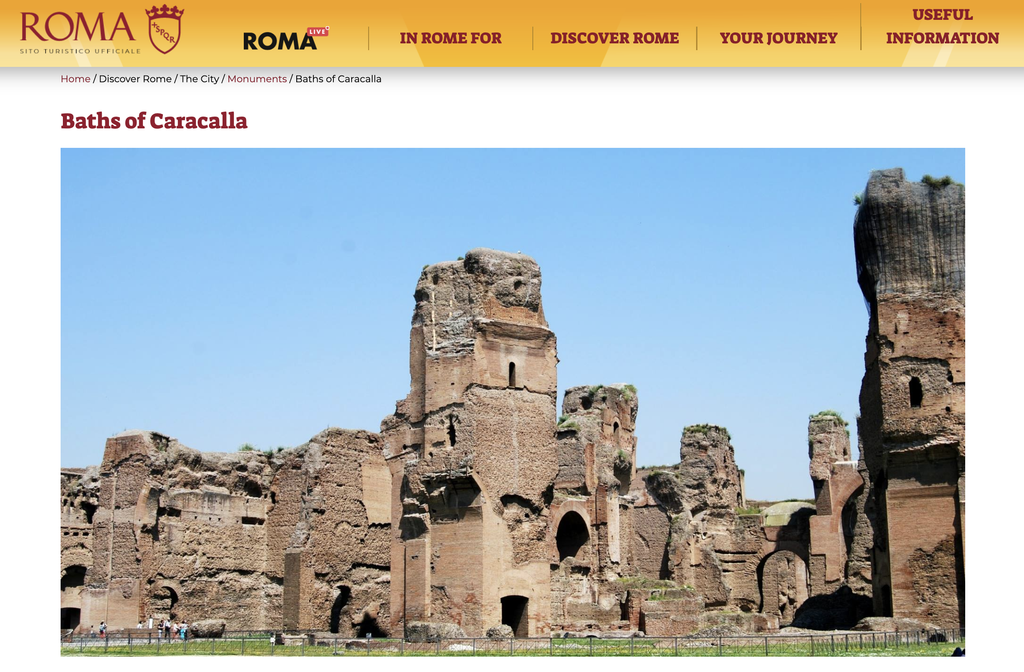
The Baths of Caracalla are among the most impressive surviving ruins of ancient Rome, offering a glimpse into the scale and sophistication of Roman public life. Built between 212 and 216 AD under Emperor Caracalla, these enormous public baths could accommodate thousands of visitors at a time and served as much more than a place to bathe. Romans came here to exercise, socialise, read, relax and enjoy a variety of leisure facilities. The complex once featured heated bathing rooms, cold pools, gymnasiums, gardens, libraries and beautifully decorated halls adorned with marble, mosaics and sculptures. Although much of the original decoration has disappeared, the enormous brick walls, towering arches and vast open spaces still convey the grandeur of the original structure. As you explore the site, you can follow the layout of the different bathing areas and imagine how the sophisticated heating system circulated warm air beneath floors and through walls. Some of the magnificent mosaics and sculptures discovered here are now displayed in museums, while others can still be seen at the site. Compared with Rome’s busiest attractions, the Baths of Caracalla often offer a more spacious and relaxed experience, allowing you to appreciate the ruins without feeling overwhelmed by crowds. Allow around one to two hours for your visit, wear comfortable shoes and check opening times before arriving. For anyone interested in ancient engineering, architecture and everyday Roman life, this extraordinary complex is well worth exploring.
Recommended Group and Private Tours
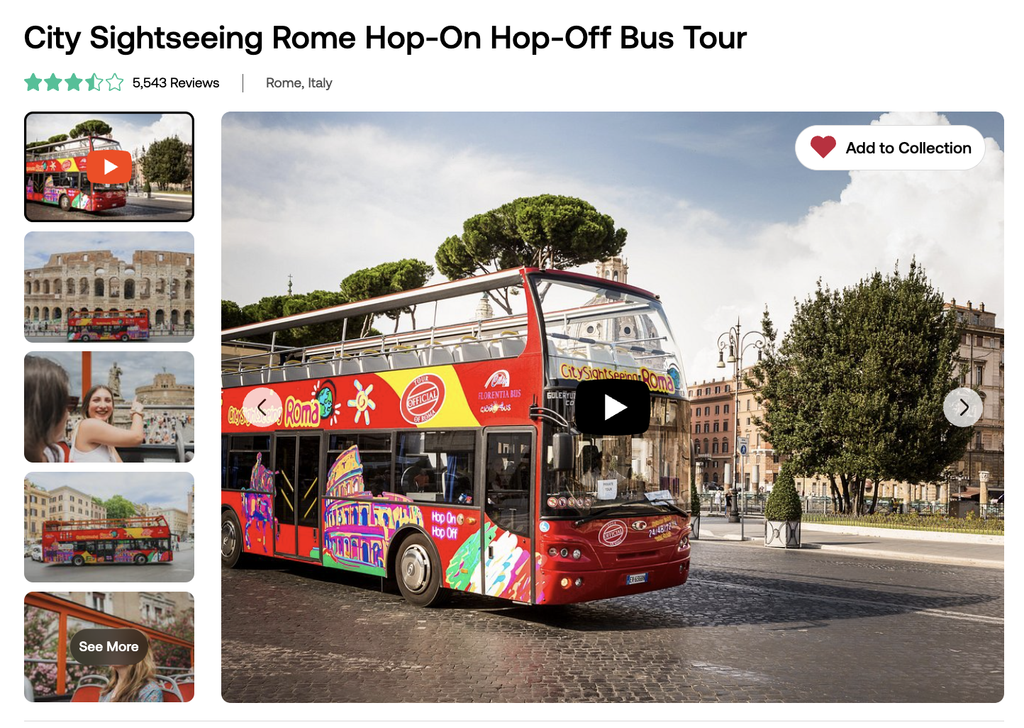
City Sightseeing Rome Hop-On Hop-Off Bus Tour
Overview
Take a Rome hop-on hop-off tour by open-top bus, and spend time city sightseeing as you travel past attractions such as the Colosseum and Vatican City. Relax aboard the double decker Rome tour bus, listen to the audio commentary, and hop on and off at any of the stops. Select a sightseeing ticket that’s valid for the same day, 24, 48, or 72 hours, or two panoramic night tours.
- Create a personalized sightseeing itinerary and explore Rome at leisure
- Hop on and off as many times as you wish at any of the stops
- Listen to interesting onboard audio commentary as you travel
- Set your own pace to explore Rome’s highlights
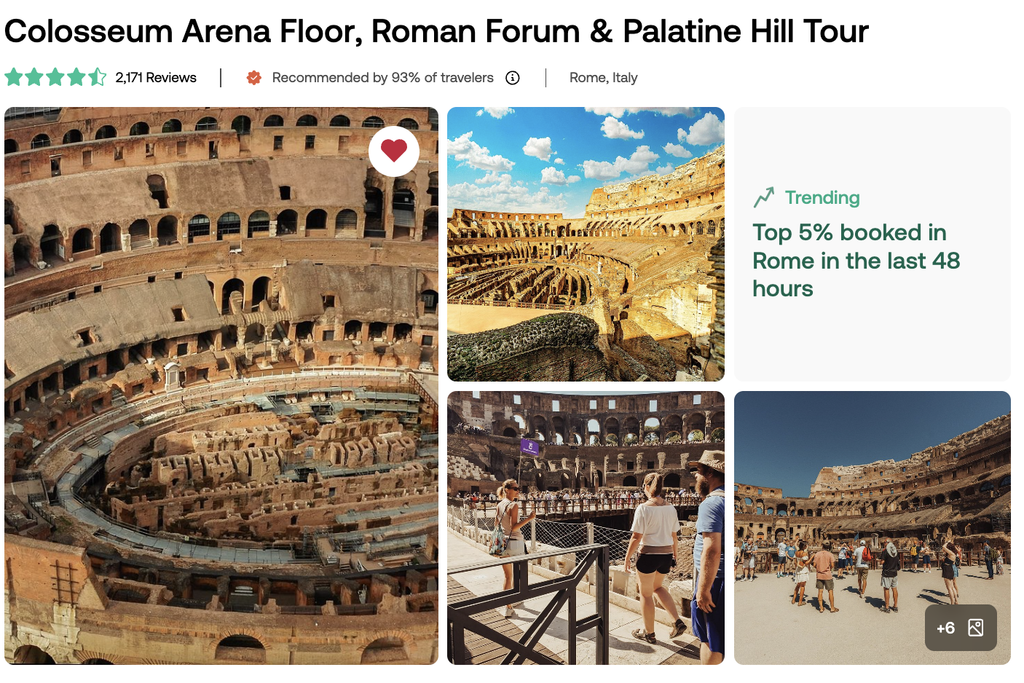
Colosseum Arena Floor, Roman Forum & Palatine Hill Tour
Overview
Gaze out across the Colosseum as the gladiators once did with this exclusive tour that takes you into the restricted areas of the arena floor. Admire the ancient amphitheater from a unique vantage point and learn about its history and design from your guide before continuing on to explore the ruins in the Roman Forum and on Palatine Hill.
- Entry Access to the Colosseum and Forum
- Visit with a guide for explanations to understand the complex ruins
- Follow in the footsteps of the gladiators on the restricted arena floor
- Headsets to follow the guide’s commentary inside the busy attraction
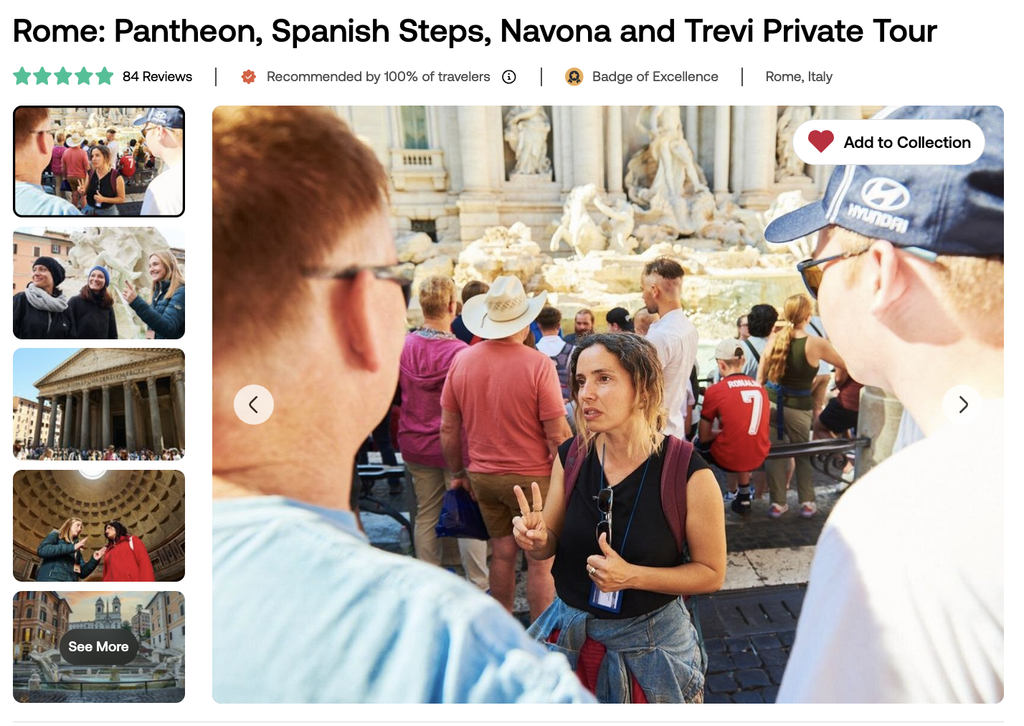
Rome: Pantheon, Spanish Steps, Navona and Trevi Private Tour
Overview
Explore the historical center of Rome with a local as your guide during this private walking tour that includes a meetup right at your hotel. See landmarks including the Spanish Steps, Trevi Fountain, and Piazza Navona as your private guide shares stories about Roman history and art. Add a bit of pizzazz to your Roman holiday with a tour of the city aboard a vintage Fiat 500 (for an additional cost).
- Private walking tour of Rome with a local guide
- Skip the hassle of navigating and follow your guide
- See top Roman sights including Trevi Fountain and Piazza Navona
- Upgrade to explore the city in a vintage Fiat 500
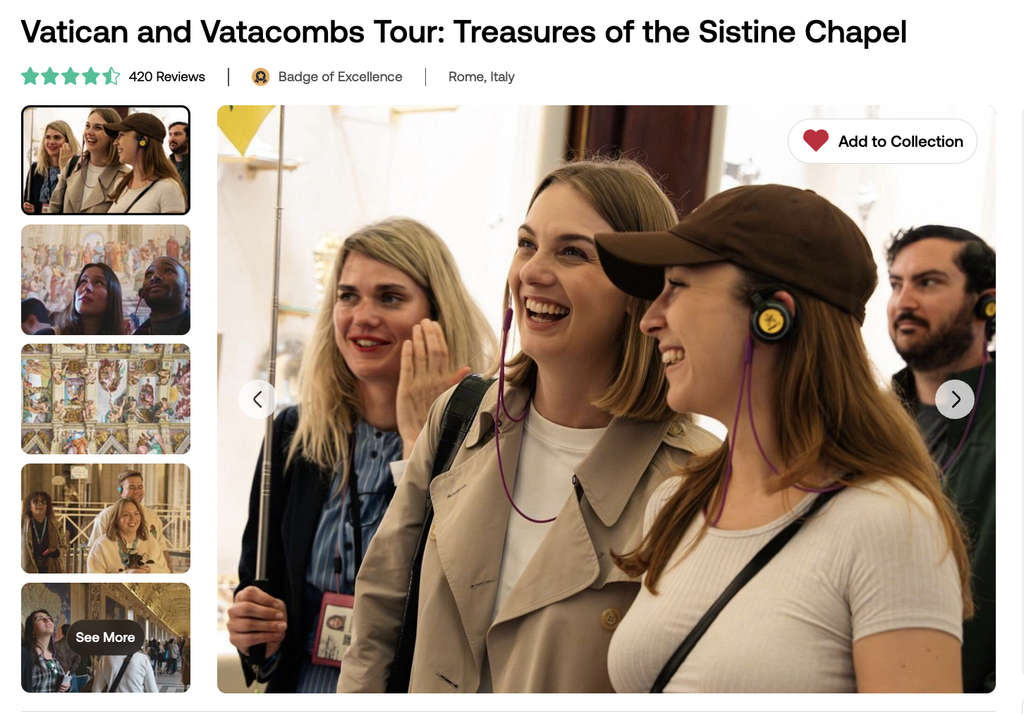
Vatican and Vatacombs Tour: Treasures of the Sistine Chapel
Overview
The vast Vatican complex can take a full day to cover on your own. Optimize your time on this tour, and navigate easily through one of the largest and most important collections of art in the world. Save hours with skip-the-line admission and follow your guide on a custom route highlighting the most important masterpieces on the way to the Sistine Chapel. Gain fast-track access to St. Peter’s Basilica and a fully guided tour of the masterpieces inside.
- Focus on the most important pieces in Vatican Museums collection with a guide
- Bypass the long line with fast-track admission and escorted entry
- Cover the galleries, Sistine Chapel, and St. Peter’s Basilica in one tour
- A group tour for an affordable price that won’t bust your vacation budget
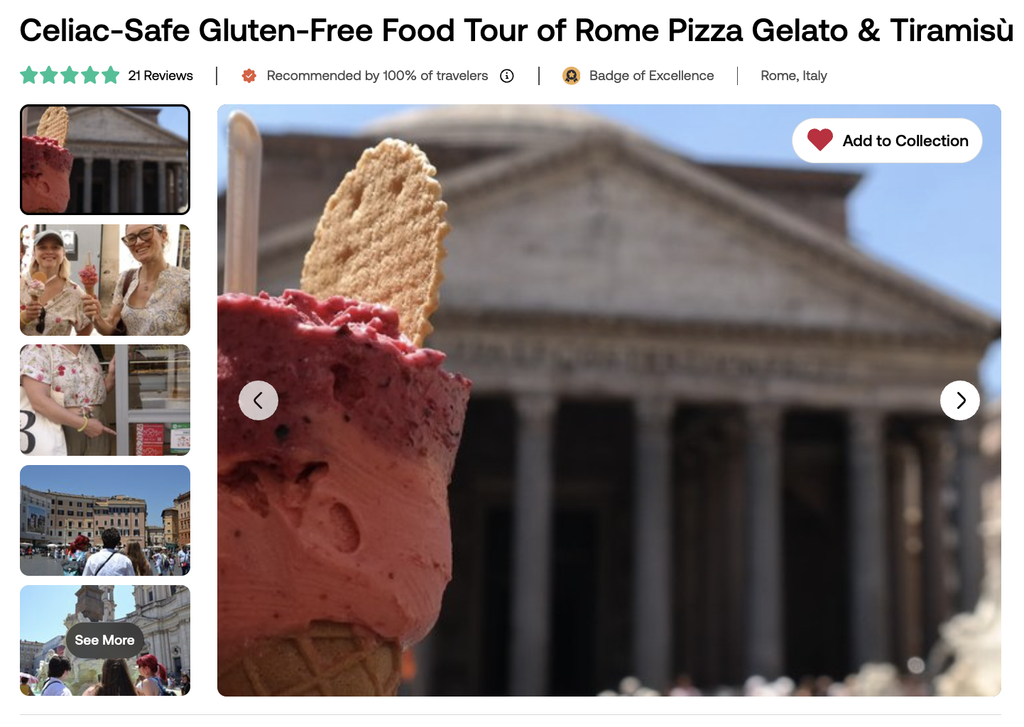
Celiac-Safe Gluten-Free Food Tour of Rome Pizza Gelato & Tiramisù
Overview
Rome’s most well-loved dishes are almost impossible to enjoy for those with gluten intolerances. Save hours of research hunting for gluten free spots you can trust–every stop on this small-group walk is a dedicated gluten free kitchen or a partner certified by the Italian Celiac Association. Sample pizza al taglio, supplì, gelato, and tiramisu as you stroll around the center.
- Try Roman treats you’d usually have to skip on this gluten free food tour
- Add a gluten free pasta meal if you’d like to linger over lunch
- Take it easy on a gentle stroll of just under a mile (1.5 kilometers)
- Fit in some sightseeing as you pass through the city’s most interesting district
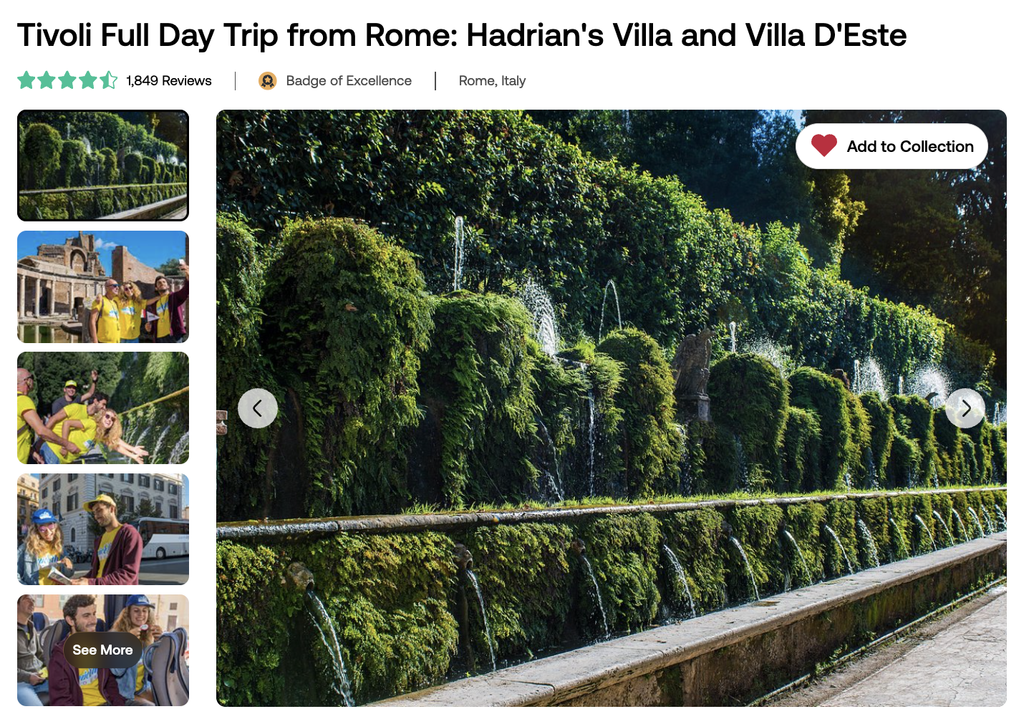
Tivoli Full Day Trip from Rome: Hadrian’s Villa and Villa D’Este
Overview
Visit the historic vacation homes of Rome’s elite on a Rome-to-Tivoli day trip—no need to navigate buses or trains. Tours Tivoli’s two UNESCO World Heritage-listed sites: Hadrian’s Villa and Villa d’Este. Hear Renaissance and Ancient Roman history and scandal, admire archaeological ruins, and explore some of Italy’s most extravagant private gardens.
- Learn intriguing Renaissance history on a guided walking tour of two villas east of Rome
- Explore the archaeological ruins of Hadrian’s Villa, former home to 2nd-century Emperor Hadrian
- Admire the stunning gardens of Villa d’Este and see the famous Fountain of Neptune
- Transport from Rome to Tivoli by air-conditioned coach
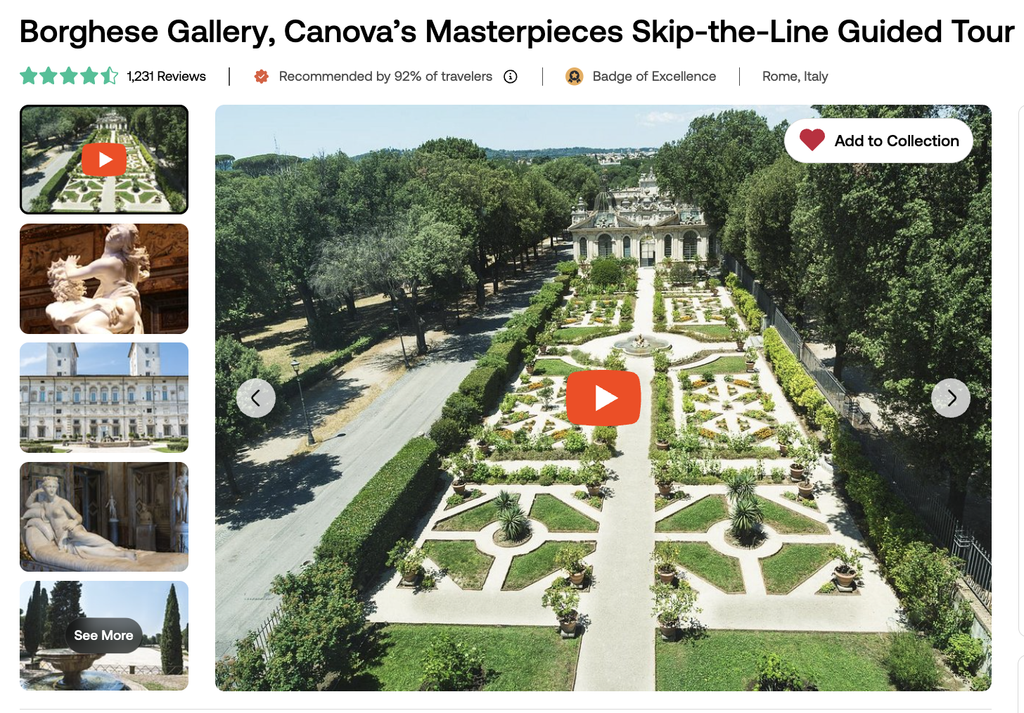
Borghese Gallery, Canova’s Masterpieces Skip-the-Line Guided Tour
Overview
The opulent Villa Borghese isn’t just a popular Roman attraction, it’s also one of the world’s most revered art galleries, home to paintings and sculptures by Raphael, Bernini, and Caravaggio. This small-group tour’s skip-the-line privileges guarantee swift entry, as well as the opportunity to discover the Villa’s many masterpieces in an intimate setting.
- Skip-the-line tour of the Borghese Gallery and its gardens in Rome
- Stroll through the Villa Borghese Gardens, the third largest public park in Rome
- Led by an English-speaking guide well-versed in art history
- A small group makes for an intimate experience
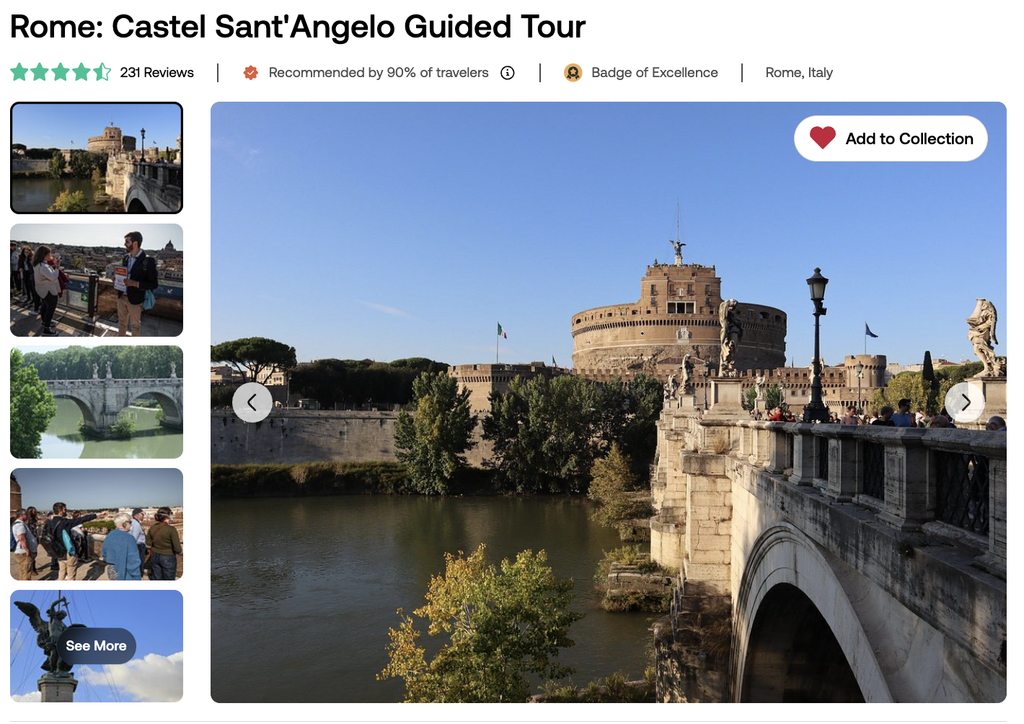
Rome: Castel Sant’Angelo Guided Tour
Overview
The ancient mausoleum-turned-fortress of Castel Sant’Angelo is one of Rome’s most striking sights, but its tumultuous history can be tough to decipher without an expert leading the way. This small-group tour includes admission and headsets to help you hear your guide clearly as you explore the papal apartments and internal halls. End with spectacular views over the Tiber River and city from the rooftop terrace.
- Save time at the entrance with included admission tickets
- Benefit from your guide’s insights into the fortress’ Roman origins and papal history
- See Rome from a unique perspective on the roof terrace
- Headsets provided to follow the guide’s explanations in the busy attraction
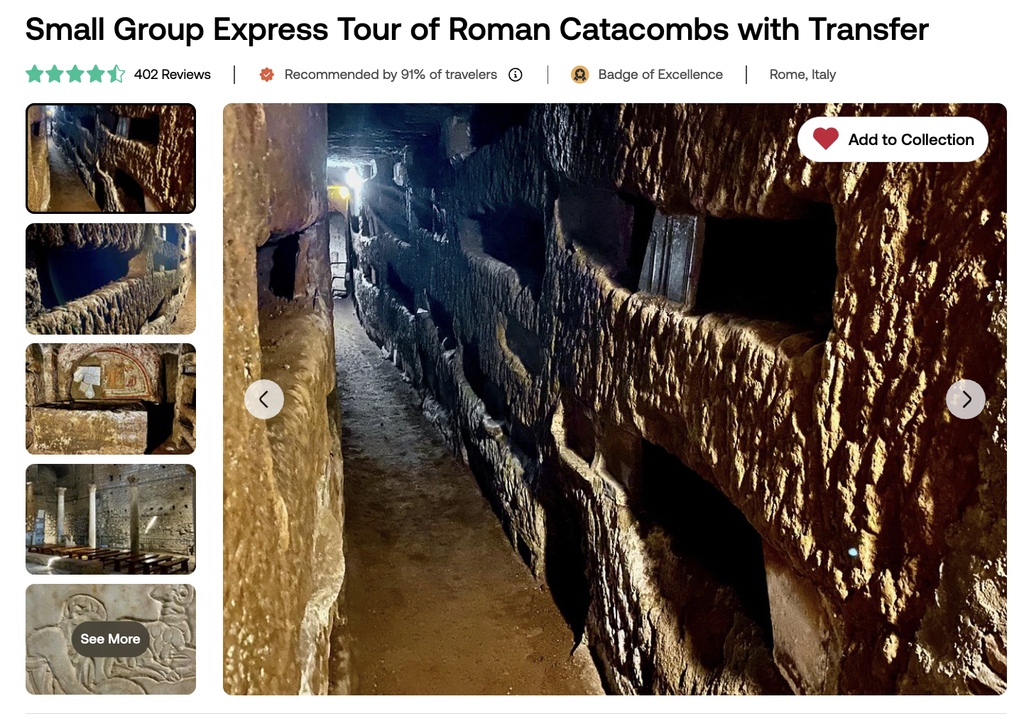
Small Group Express Tour of Roman Catacombs with Transfer
Overview
Discover one of Rome’s most macabre, ancient attractions—and enjoy a seamless sightseeing option—on this express tour of the city’s Catacombs. Save precious time with round-trip transit from the city center, and explore in the company of a guide. You’ll discover underground burial chambers, subterranean basilicas, and more, all in record time—and all while learning stories you’d miss if visiting on your own.
- Make every minute count on a tour designed to save you time
- This tour is perfect for visiting history lovers
- Hear your guide’s every word with the included headsets
- This small-group tour helps ensure a personalized experience
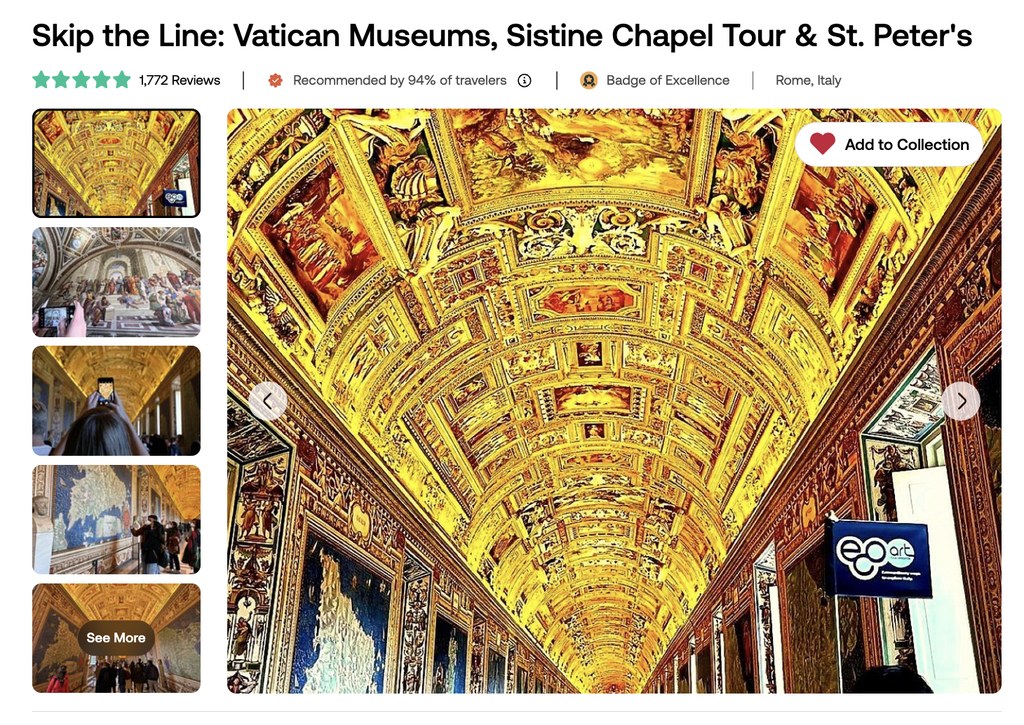
Skip the Line: Vatican Museums, Sistine Chapel Tour & St. Peter’s
Overview
The Vatican Museums and St. Peter’s Basilica are two of Italy’s most famous attractions, drawing millions of visitors per year—so you can picture the wait times. Save hours of precious vacation with skip-the-line entry, and breeze past the crowds with timed priority entry. Add on a guided tour (with private or small-group upgrades for a more personalized experience), with Basilica access and express options, too.
- Choice of options, upgrades, and start times to suit your budget and preferences
- Tour the museums and Sistine Chapel with handy insight from your guide (if option selected)
- Opt for the small-group or private option if you prefer more time to ask questions
- Headsets are available so you don’t miss your guide’s commentary
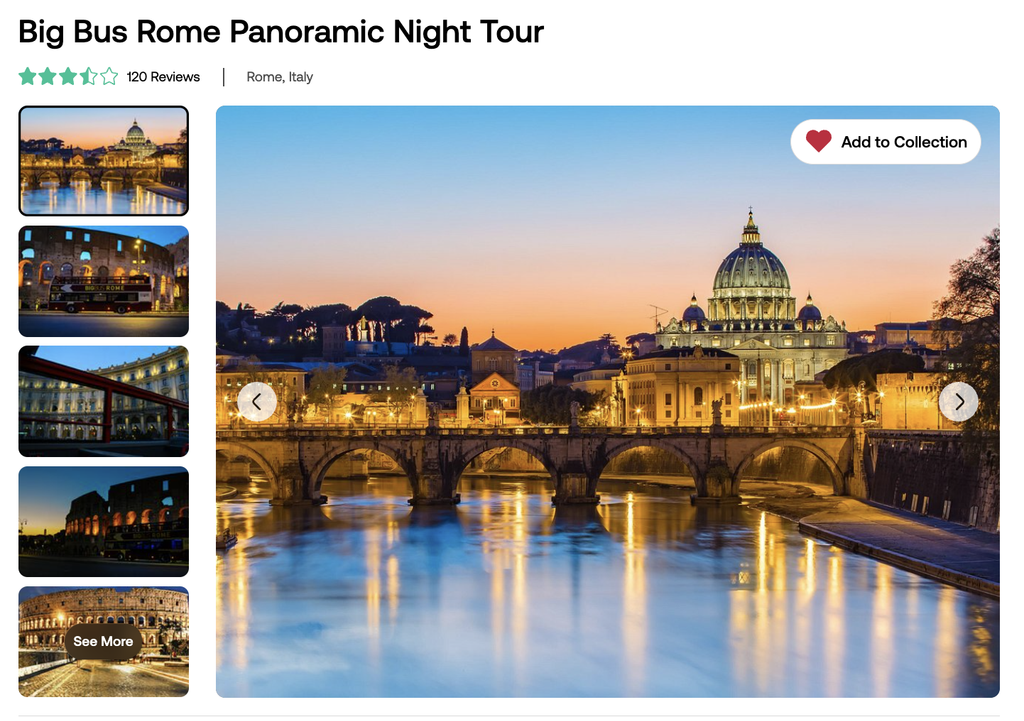
Big Bus Rome Panoramic Night Tour
Overview
Rome shines at any time of day, but it’s particularly magical at night—when most travelers are winding down their days. On this open-top nighttime bus tour, you’ll relax aboard a double-decker bus and enjoy unobstructed views of the Colosseum, the Vatican, Piazza Venezia, and more as you journey through the Eternal City. Immerse yourself in the city’s rich history and culture with informative commentary.
- Escape the daytime crowds and heat while exploring Rome at night
- Enrich your knowledge of the Eternal City through multilingual audio narration
- Enjoy a wallet-friendly way to see the top sights
- Family-friendly: Infants and kids under 4 travel for free
Outside of Rome Day Trips
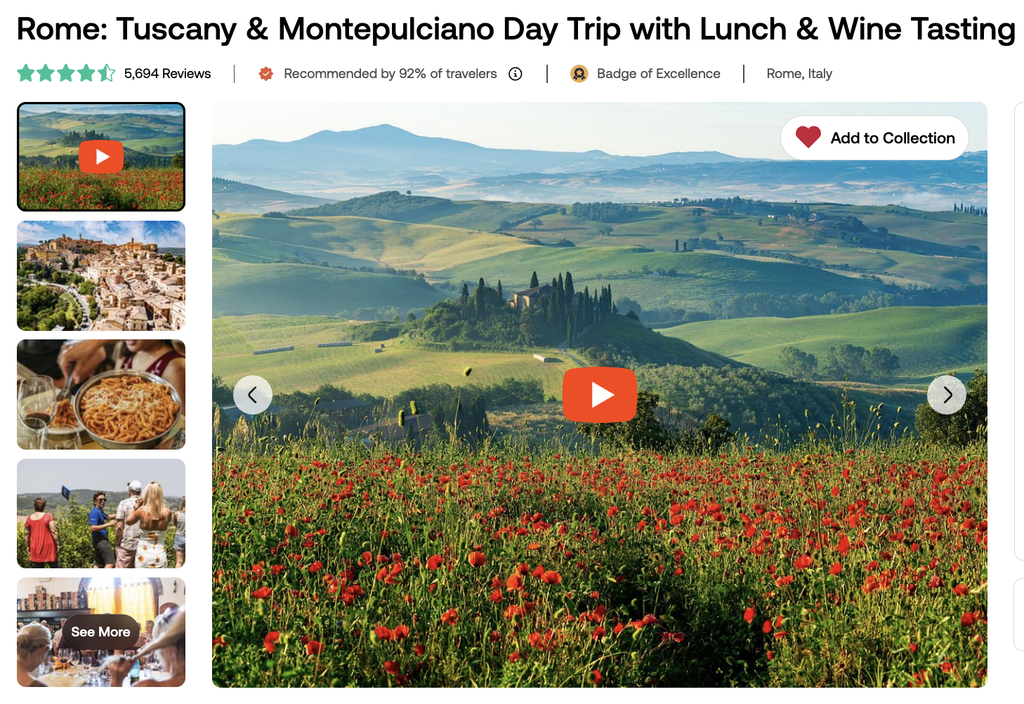
Rome: Tuscany & Montepulciano Day Trip with Lunch & Wine Tasting
Overview
Tuscany is renowned for its food, wine, and scenery, but exploring the region on a limited schedule isn’t easy. Enjoy a stress-free sampler of locations in the captivating Val d’Orcia region on this full-day tour from Rome. With a guide at your side, visit the wine town of Montepulciano, have lunch surrounded by vineyards, and explore the historic center of Pienza, a UNESCO World Heritage Site.
- Ride comfortably from central Rome by air-conditioned coach
- Relax with a locally produced 3-course lunch on a Tuscan farm
- Sample regional wines, including the famous Brunello di Montalcino
- Learn about local life and culture from your guide
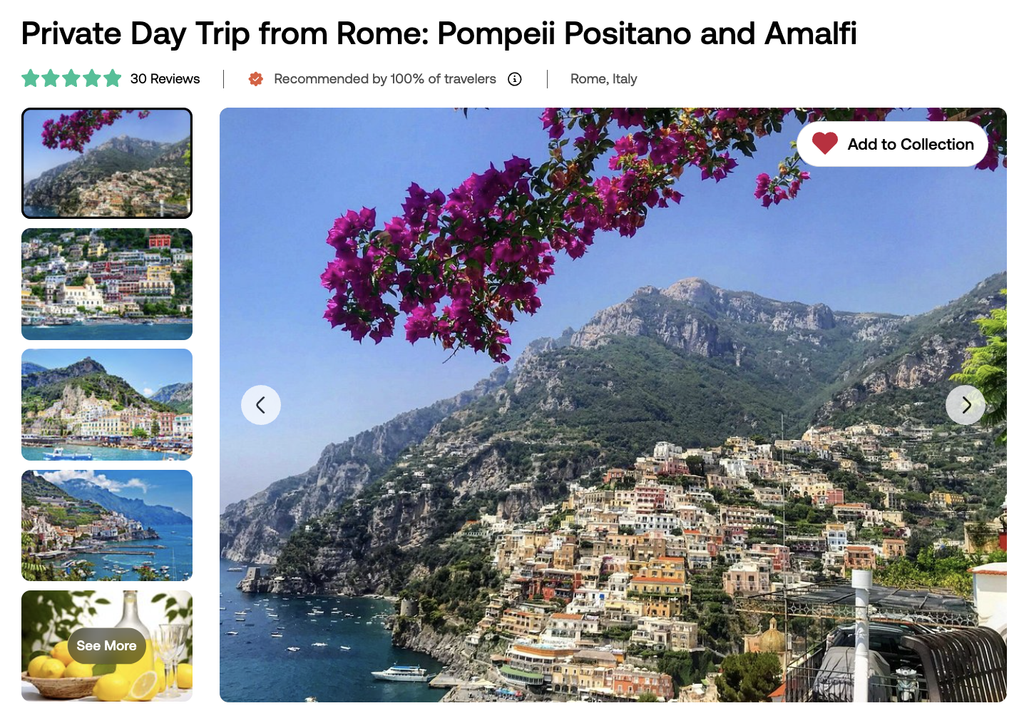
Private Day Trip from Rome: Pompeii Positano and Amalfi
Overview
Enjoy a private full-day tour from Rome to Pompeii and the Amalfi Coast, two UNESCO World Heritage sites.
Travel by private minivan with Pro driver and tour assistant. We will pick you up from your hotel or apartment in Rome.
The first stop will be Pompeii, where a private local Guide will accompany you to discover the perfectly intact ancient Roman city. The tour continues along the Amalfi Coast, with free time in Positano for Lunch and Shopping.
The tour will continue to Amalfi, the oldest of the Maritime Republics. Admire the famous Cathedral of St. Andrew and taste the famous local liquor “Limoncello”.
During the winter period, which runs from 1 November to 28 February, the tour includes first a visit to Amalfi, with free time to have lunch and taste Limoncello, and then a stop on a rooftop terrace to take pictures of Positano (in low season all shops and restaurants are closed).
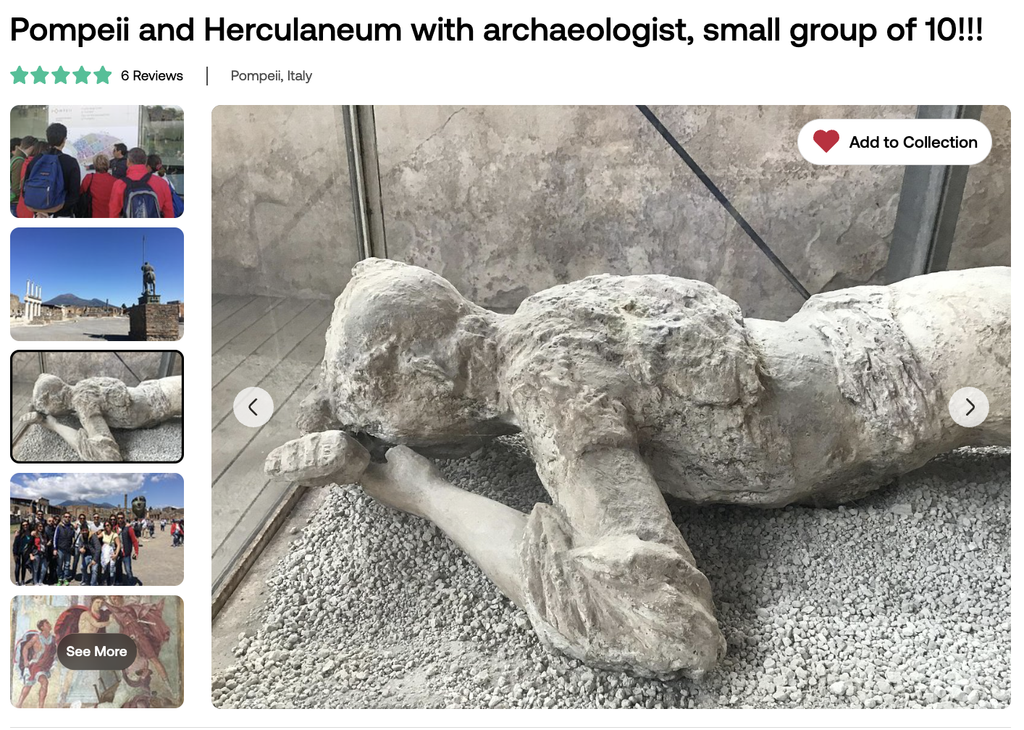
Pompeii and Herculaneum with archaeologist, small group of 10
Overview
During the visits you will live, helped by an archaeologist, an unforgettable experience to discover the most important and famous buildings without neglecting the aspects of daily life and habits of the Romans.
The tour is designed and recommended for families, but also for all photography enthusiasts and archeology enthusiasts.
Private Tours
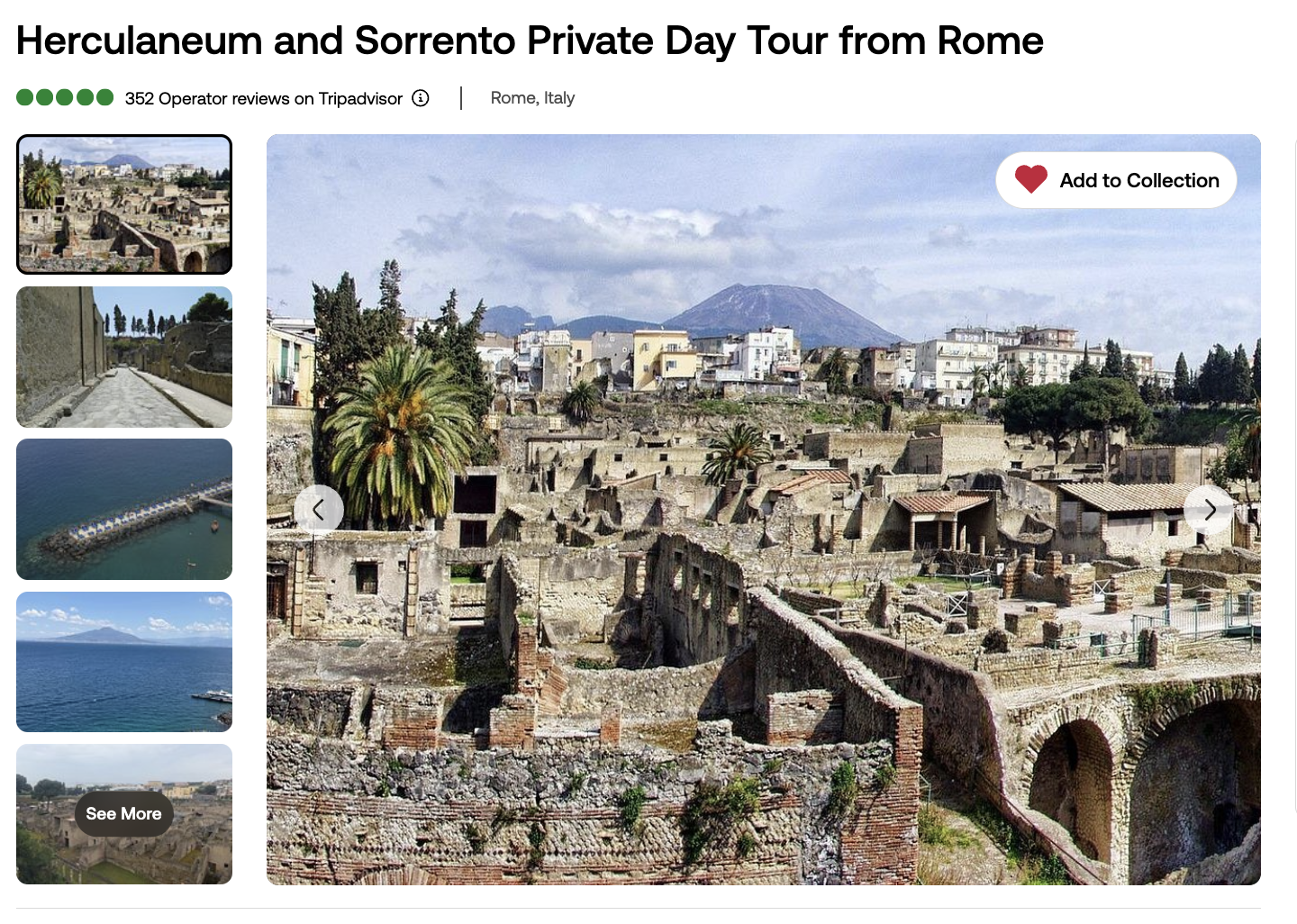
Herculaneum and Sorrento Private Day Tour from Rome
Overview
See the highlights of Herculaneum and Sorrento in just one day, without having to worry about language barriers or sorting out transportation, with this private tour from Rome. Learn about the aftermath of Mt. Vesuvius’ eruption as you explore the perfectly preserved ruins of Herculaneum and spend time in Sorrento, famous for its “limoncello” (a lemon-flavored liquor) with an included tasting.
- Herculaneum Archaeological Park admission included for a seamless experience
- Benefit from the undivided attention of your private guide
- Relax with hotel pickup and round-trip transportation from Rome
- Gain an understanding you’d miss if exploring independently
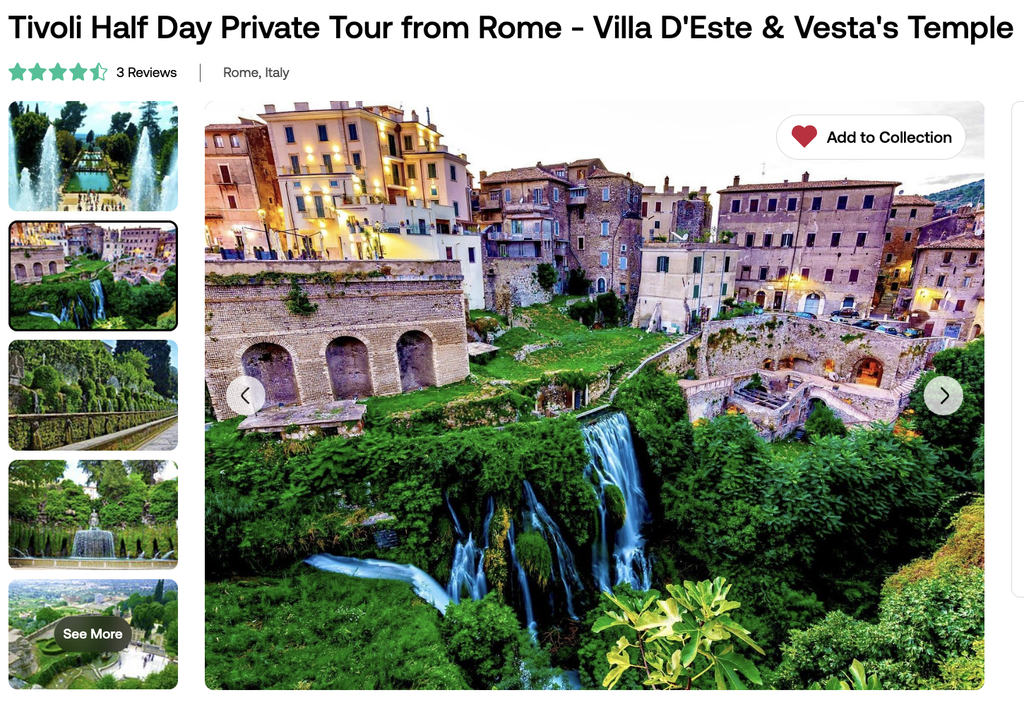
Tivoli Half Day Private Tour from Rome – Villa D’Este & Vesta’s Temple
Overview
Take a break from the hustle and bustle of Rome and venture outside the city to the more relaxed atmosphere of Tivoli. Visit the Villa D’Este and Vesta’s Temple, with their luscious gardens, labyrinths, fountains, and beautiful views. Spend some free time exploring the town of Tivoli and doing what you like—perhaps take a stroll along the riverside, or indulge in an Italian lunch.
- Hotel transfers are included
- Learn about the area from your knowledgeable driver
- Receive personalized attention on a private tour
- A convenient way to explore towns beyond Rome
Daytrip from Rome to Pompeii and Amalfi Coast
Overview
Escape the bustle of Rome with a full-day private tour to Pompeii and the Amalfi Coast. Get picked up at your hotel by an English-speaking driver and travel to the region of Campania. Choose between a stop at one of two archaeological sites, Pompeii or Herculaneum to explore on your own or with a guide. Afterwards, explore seaside town of Positano at your leisure.
- Spend the day in Pompeii and the Amalfi Coast from Rome
- Discover archaeological ruins at Pompeii or Herculaneum
- Visit the town of Positano and see its shops, cafes, and beach
- Relax with round-trip transportation from Rome included
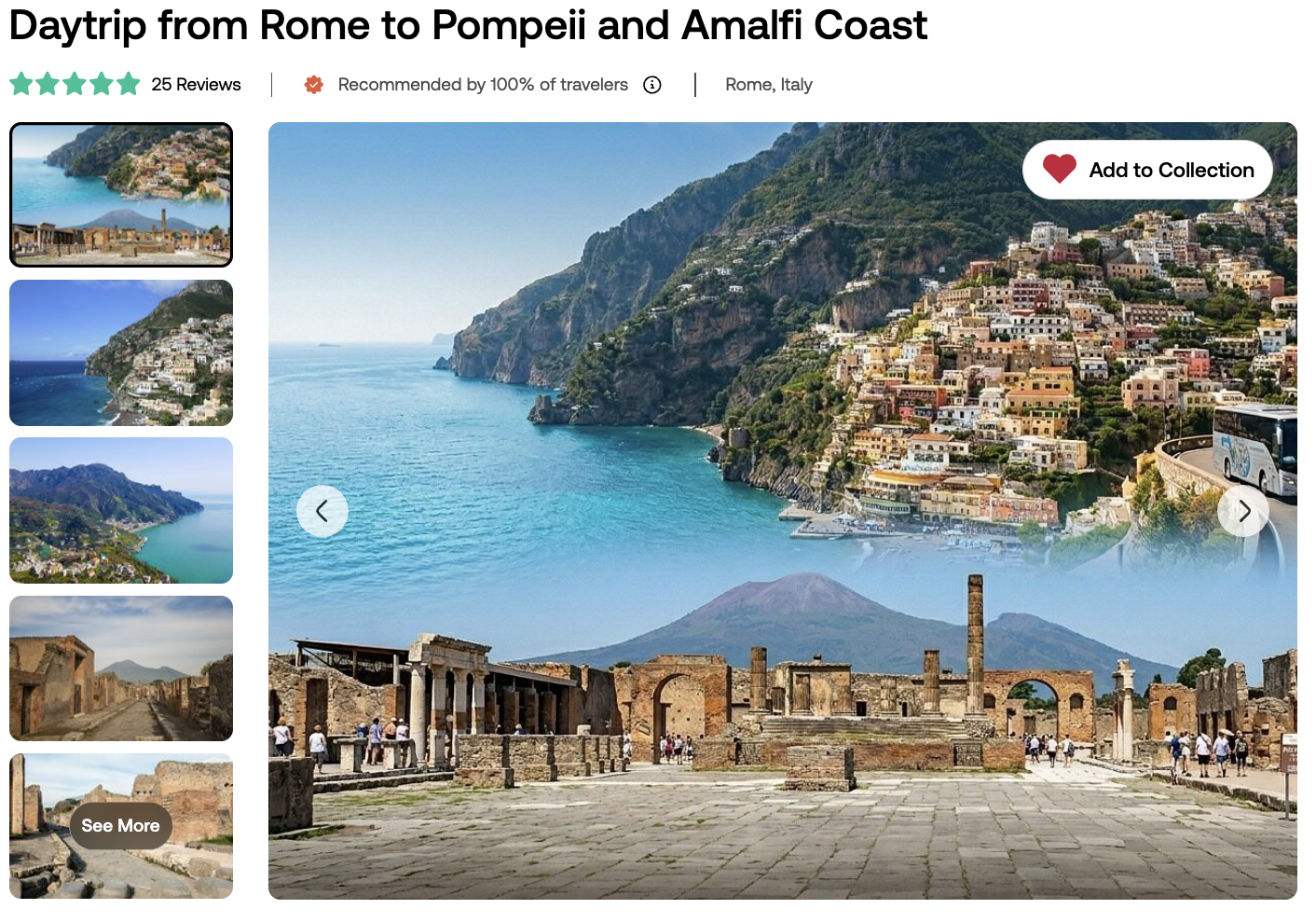
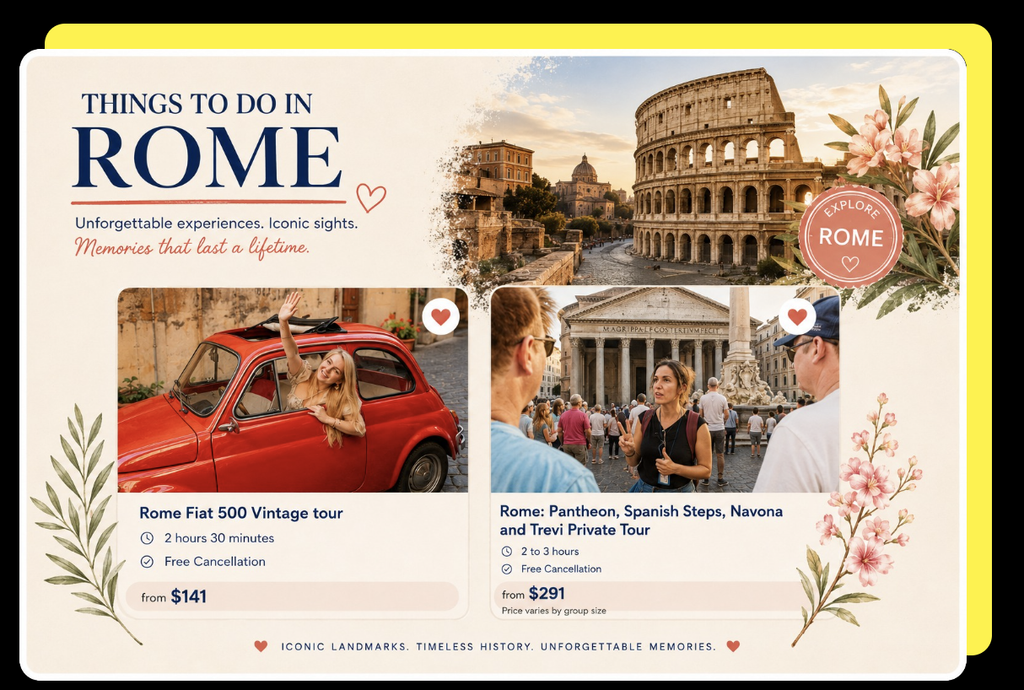
Montepulciano Wine and Pienza Flavours Private Day Tour from Rome
Overview
Discover the renowned Montepulciano wine region and Pienza, without worrying about logistics, on this full-day private tour from Rome. Enjoy convenient pickup from your Rome hotel and transfers in a private vehicle. Explore the town of Montepulciano, visit a winery and farm for tastings and lunch (own expense), and visit the town of Pienza.
- Indulge in wine tastings without the worry of driving afterward
- Travel around in comfort in a Mercedes minivan, with hotel pickup
- Flexibility to customize your itinerary according to your interests
- Go at your own pace and enjoy personalized service with private tour
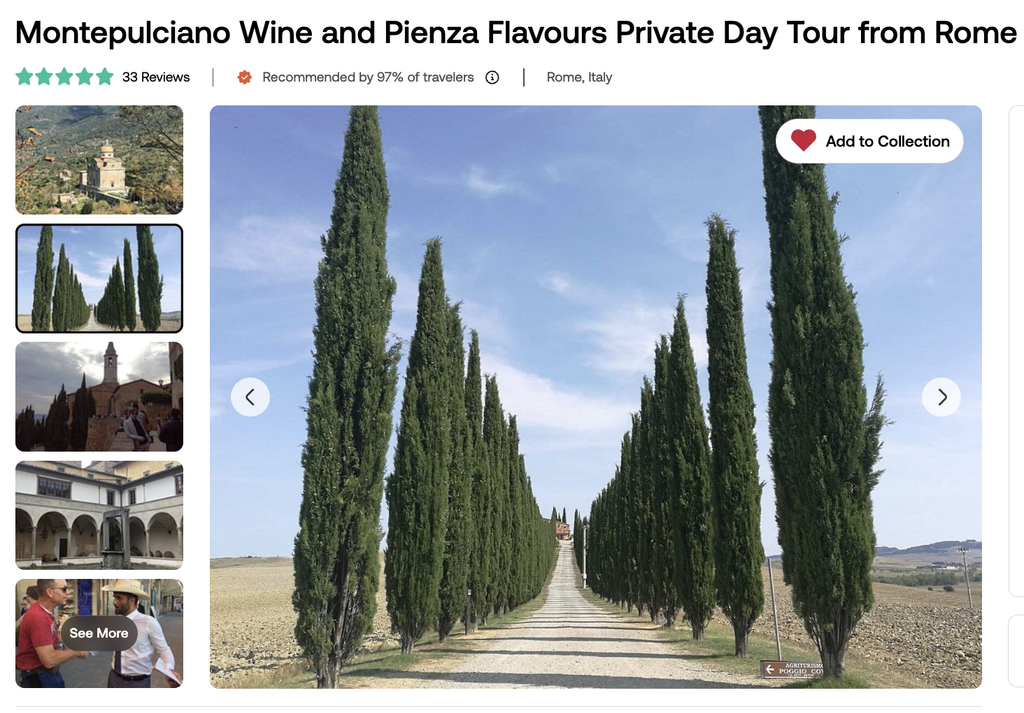
Rome to Florence & Tuscany by High-Speed Train & Winery Tasting
Overview
Make the most of your time in Italy with a day trip to Florence from Rome. Cut travel time in half with a high-speed train, and arrive ready for a walking tour of its landmarks, from the Duomo to the Ponte Vecchio. Travel to a Tuscan vineyard for an intimate wine tasting and light lunch, followed by a wander around the medieval town of San Gimignano.
- Enjoy a ride on a high-speed train—prebooked for a seamless experience
- Learn more than you would on your own in the company of a guide
- Eat like a local with an included wine tasting and light lunch at a family-run winery
- Benefit from free time to explore the medieval town of San Gimignano
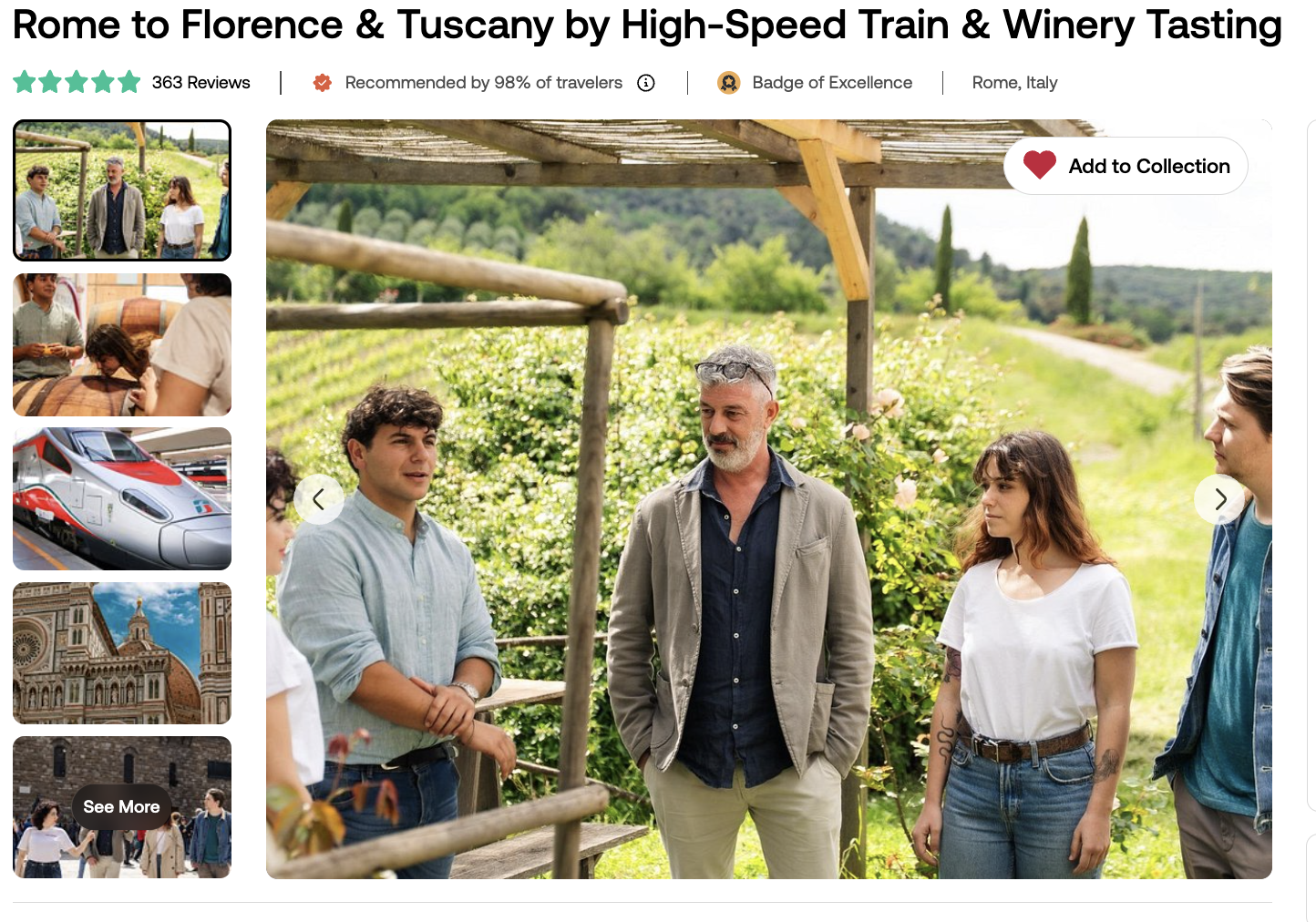
Venice Day Trip from Rome by High-Speed Train with Happy Hour
Overview
Take this independent day trip to Venice from Rome for a chance to wander the city’s maze of alleyways, visit St. Mark’s Square, and float down the famous canals by water bus. Travel from Rome to Venice by high-speed train and explore the city however you wish. See St. Mark’s Basilica, go shopping, or get lost in the city’s maze-like alleyways. End the day with a Venetian “happy hour” and aperitivo before your return journey to Rome.
- Day trip to Venice from Rome with round-trip high-speed train ticket
- Explore independently and discover top Venice attractions at your own pace
- Make your way around the city with ease by using a vaporetto ticket
- Perfect for travelers who want to see Venice in one day
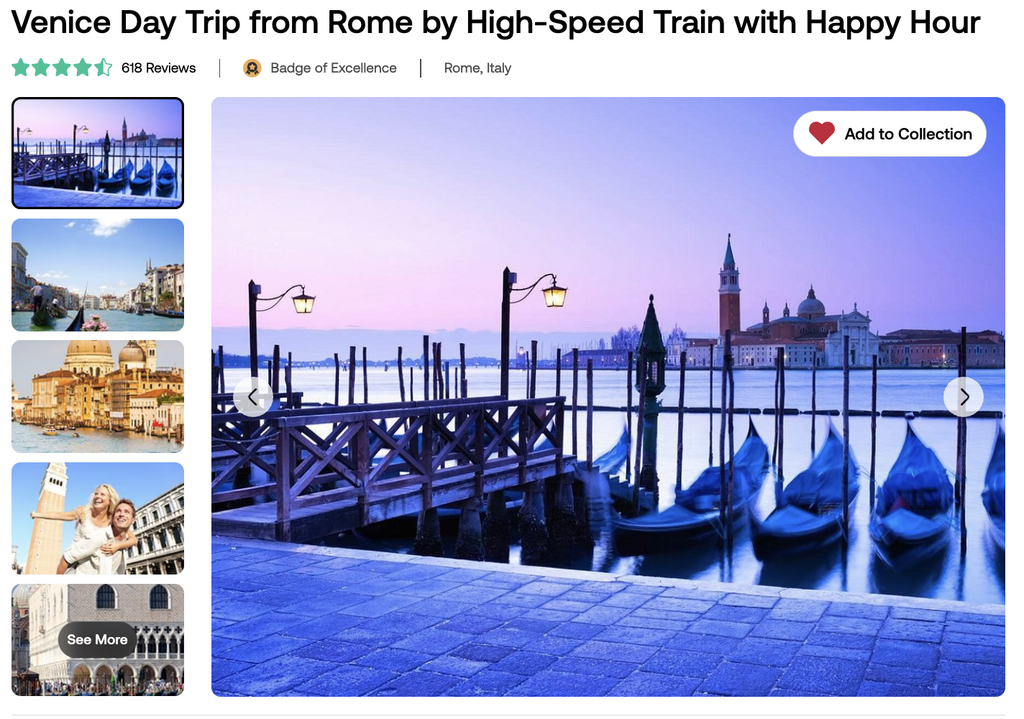
All Gluten Free Restaurants in Rome that cater to celiacs.
Italy Rome
100% Gluten Free Restaurants and Bakeries
Rome Italy
100% Gluten Free Restaurants and Bakeries
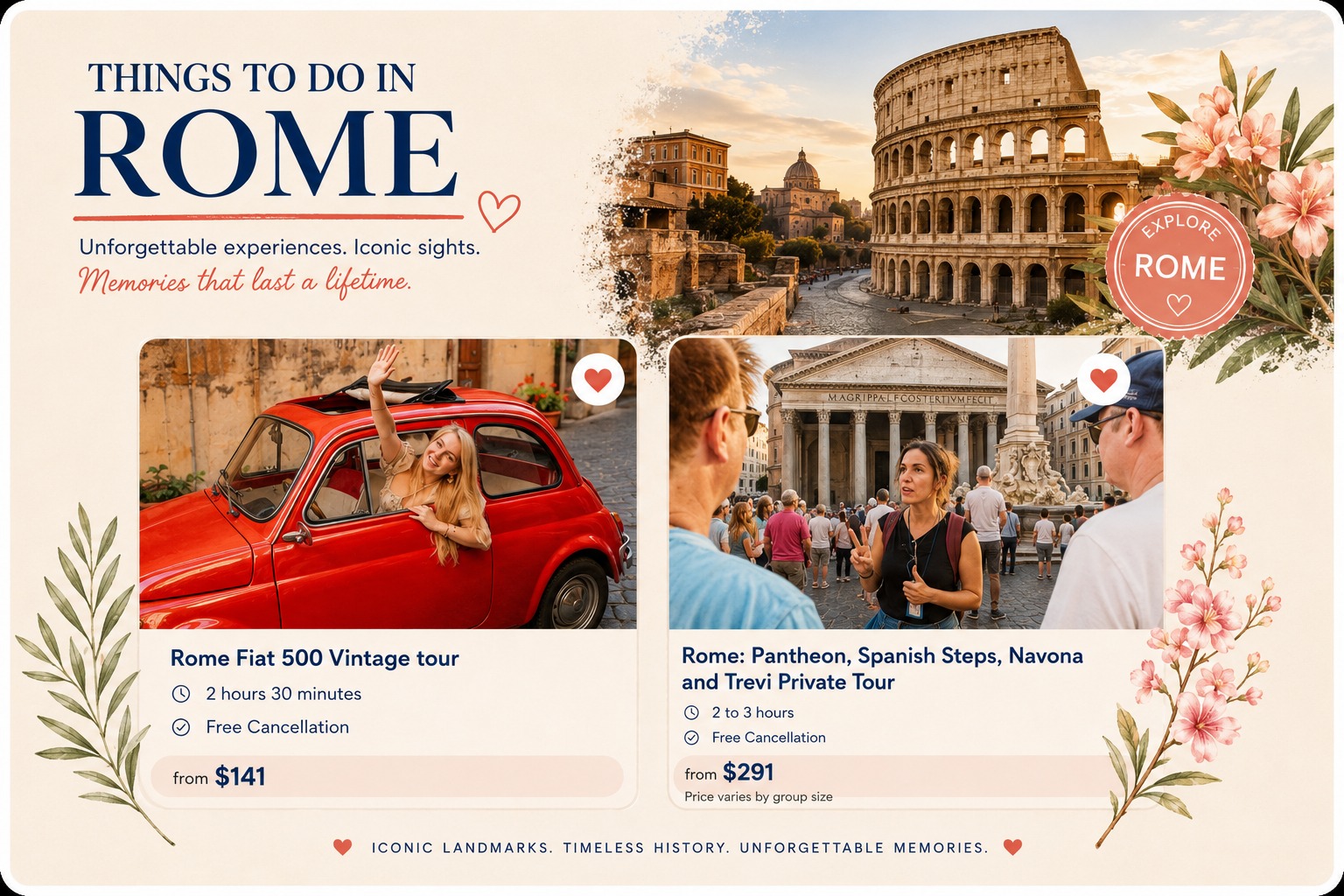
New Food Gluten Free Ponte Sisto
P.za S. Vincenzo Pallotti, 208, 00186 Roma RM, Italy


Napoleoni Gluten Free Rome
Via Appia Nuova, 590, 00179 Roma RM, Italy


Gelato g Italiano
Via delle Muratte, 18a/19, 00187 Roma RM, Italy
Via delle Muratte, 18a/19, 00187 Roma RM, Italy
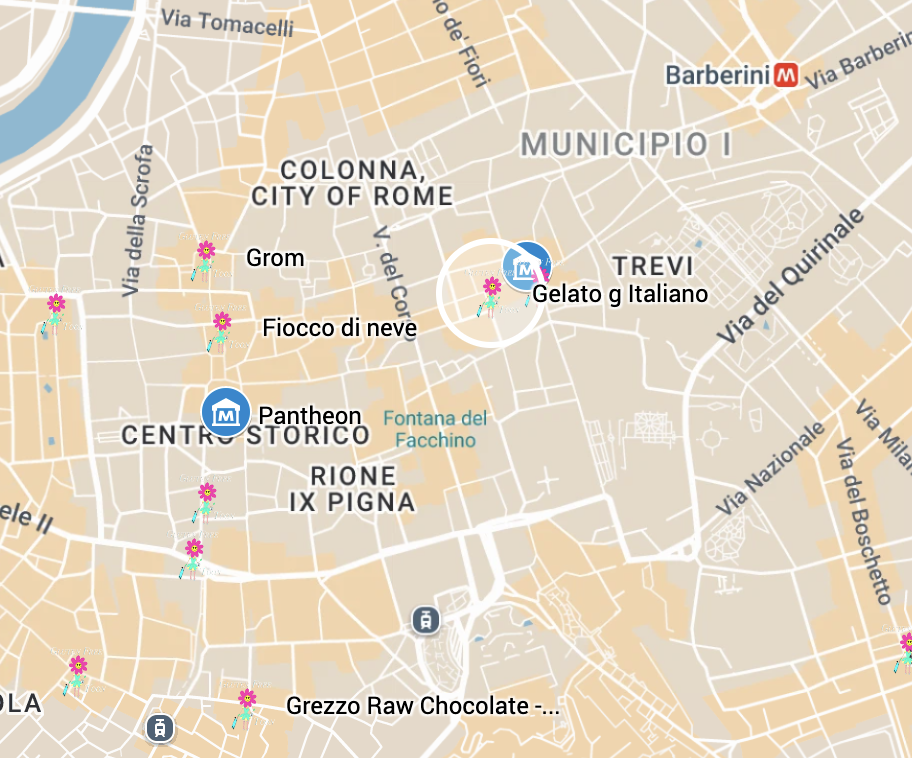
Gelato in Trevi
Via di S. Vincenzo, 31, 00187 Roma RM, Italy
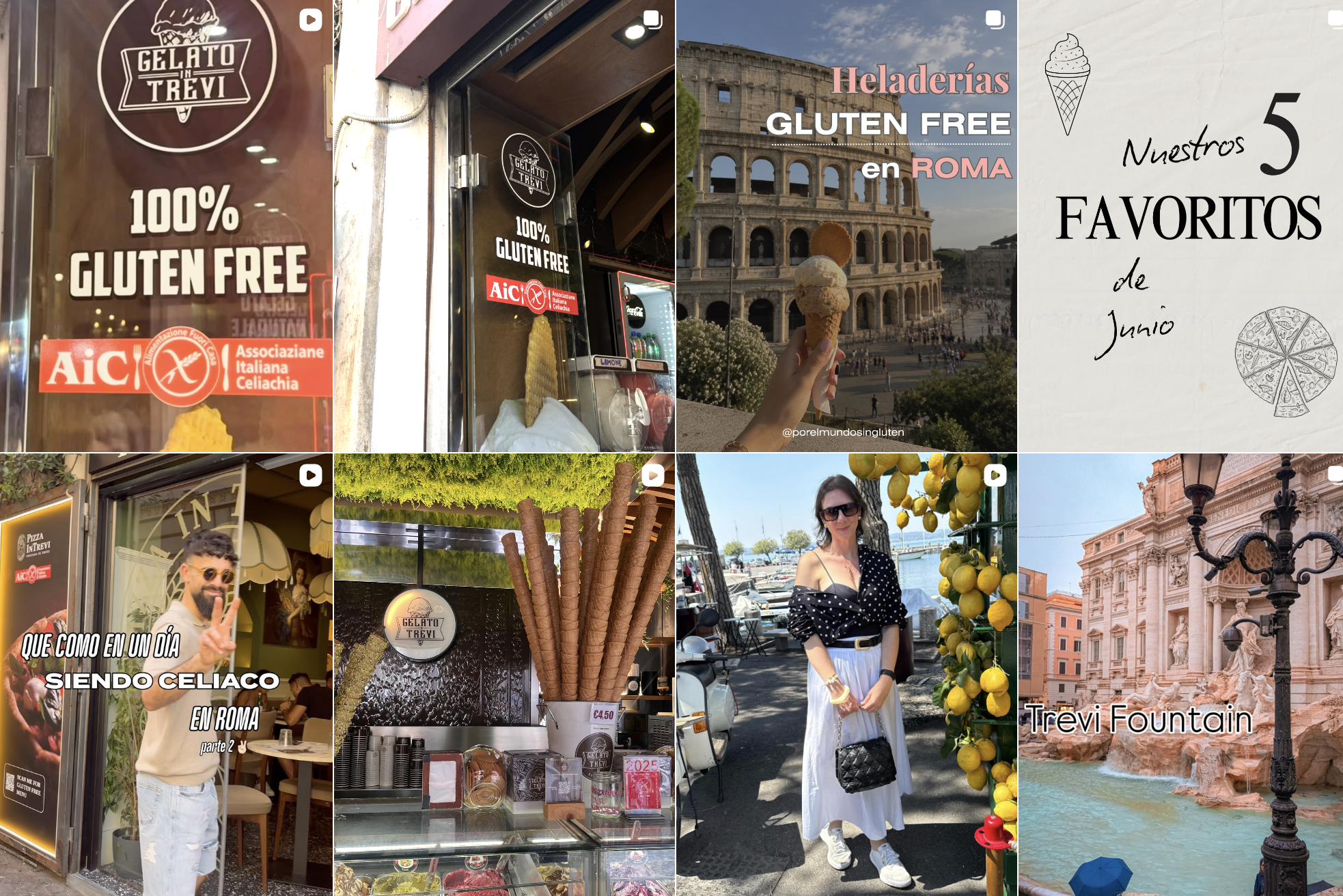
Via di S. Vincenzo, 31, 00187 Roma RM, Italy
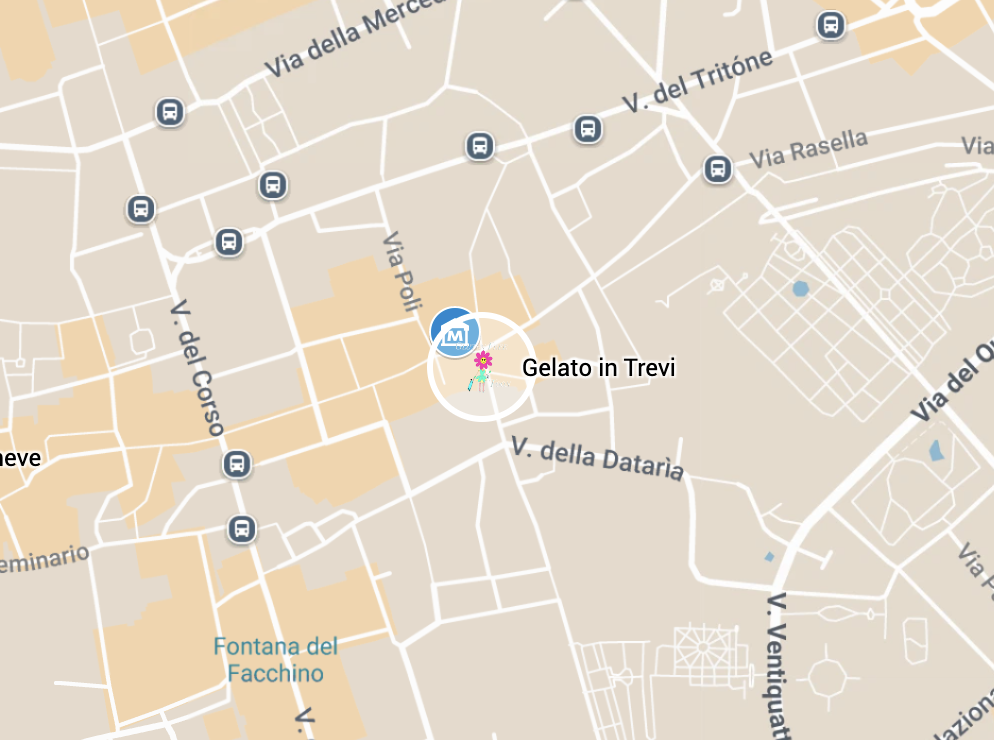
El Maíz – Roma Prati
Via Tolemaide, 16, 00191 Roma RM, Italy
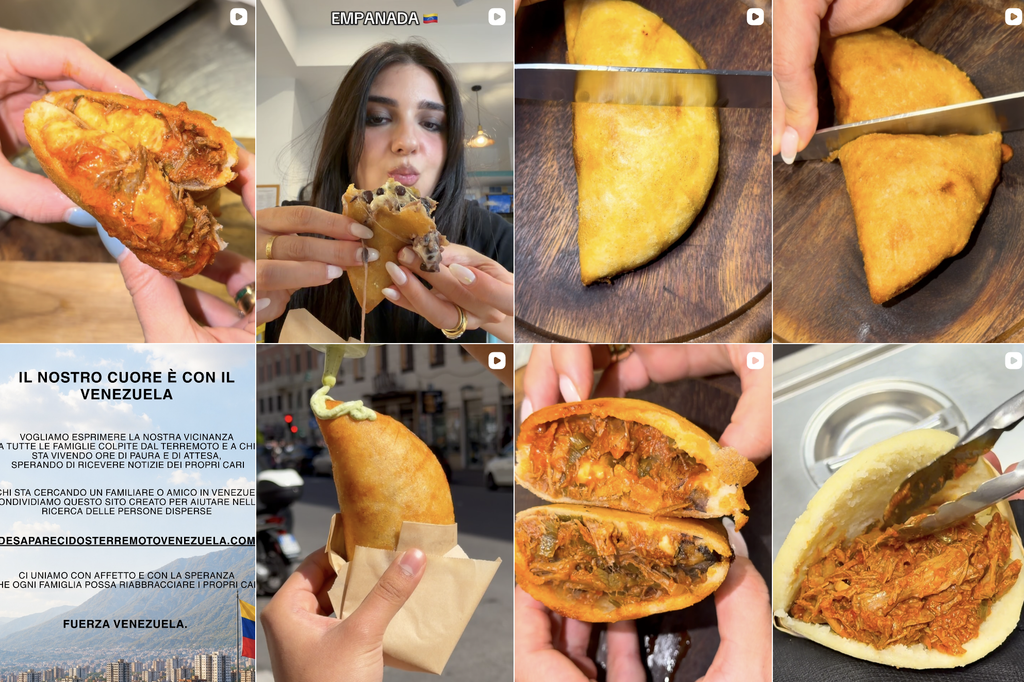
Via Tolemaide, 16, 00191 Roma RM, Italy
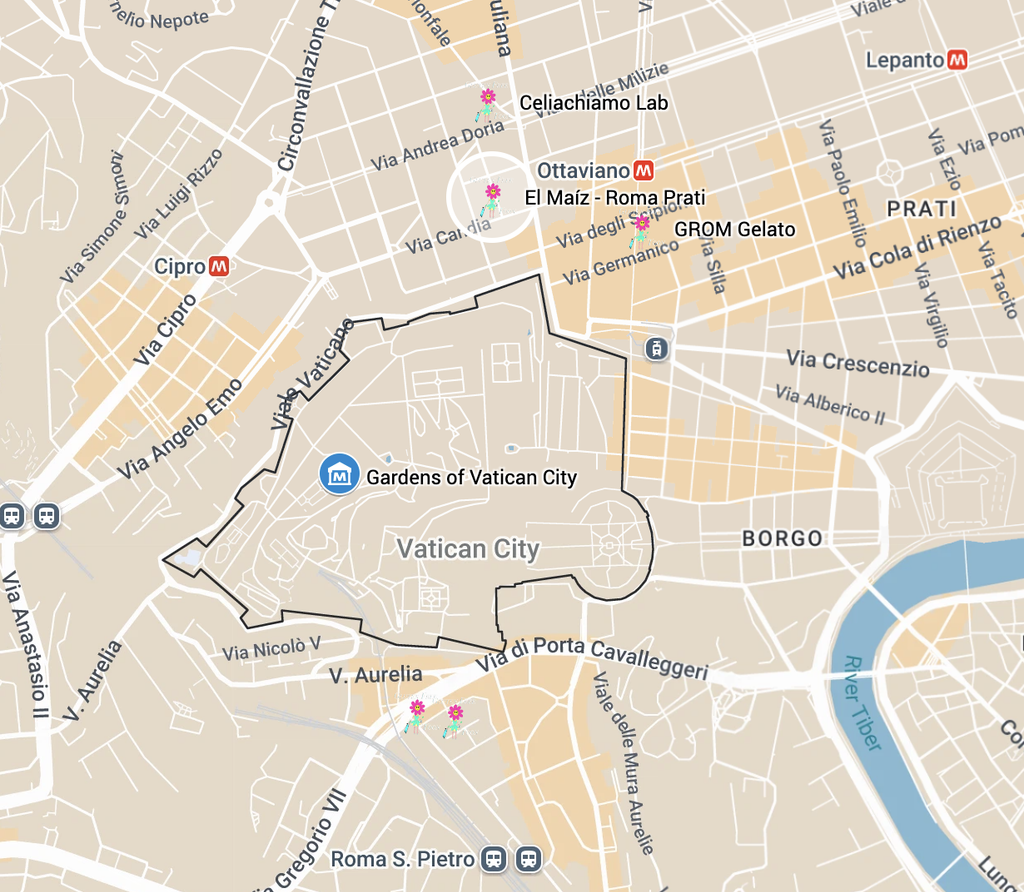
New Food Experience
Via Germanico, 190, 00192 Roma RM, Italy
Via Germanico, 190, 00192 Roma RM, Italy
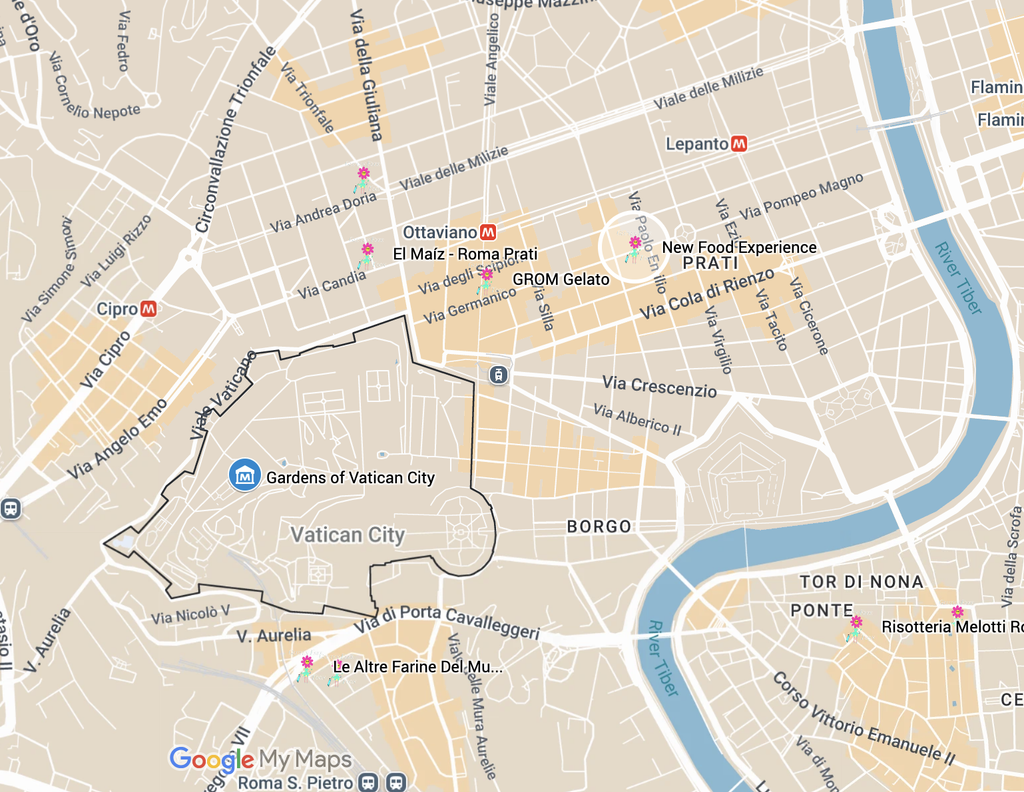
Fiocco di neve
Via del Pantheon, 51, 00186 Roma RM, Italy


Pandalì
Via di Torre Argentina, 3, 00186 Roma RM, Italy
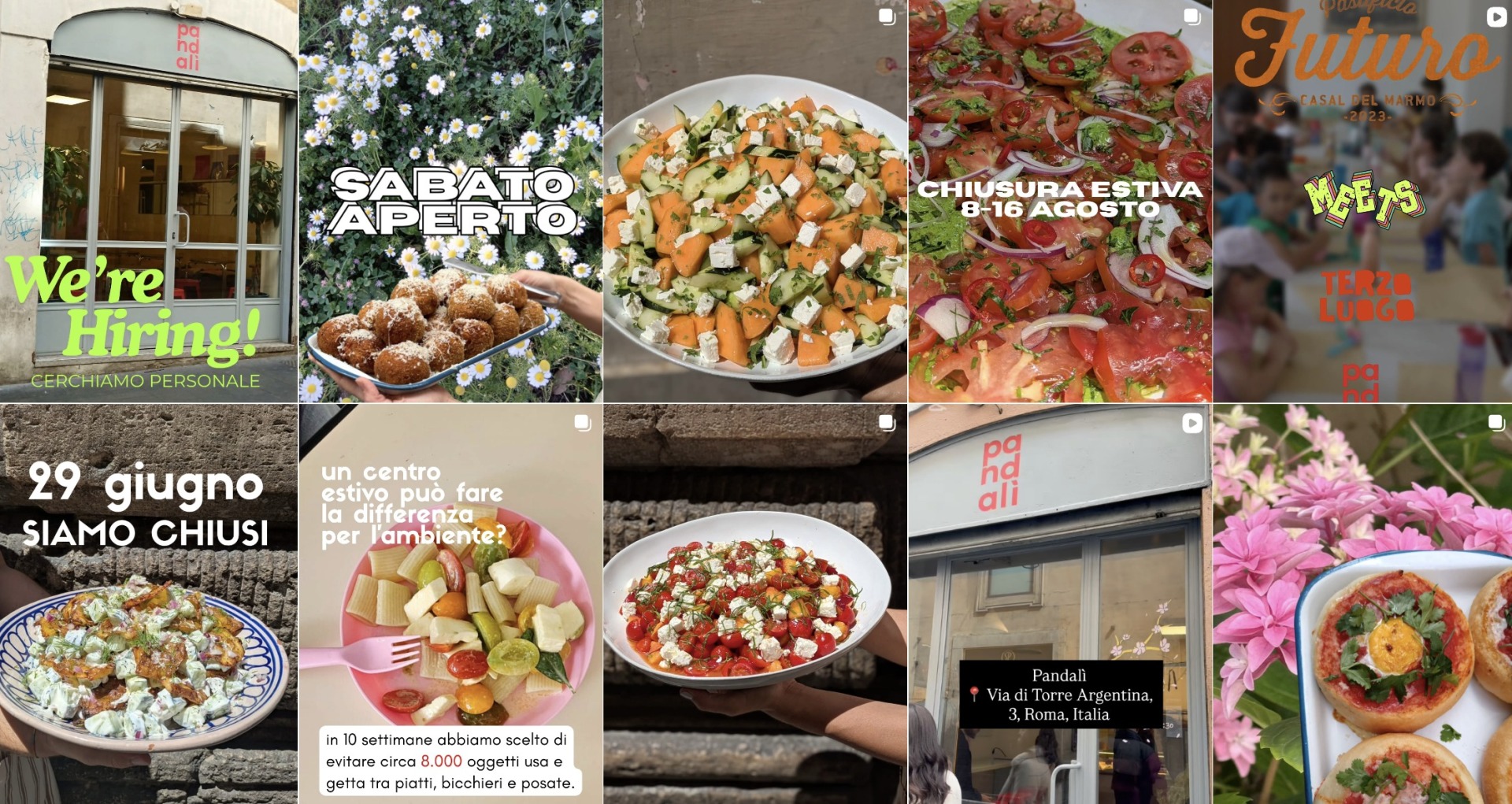
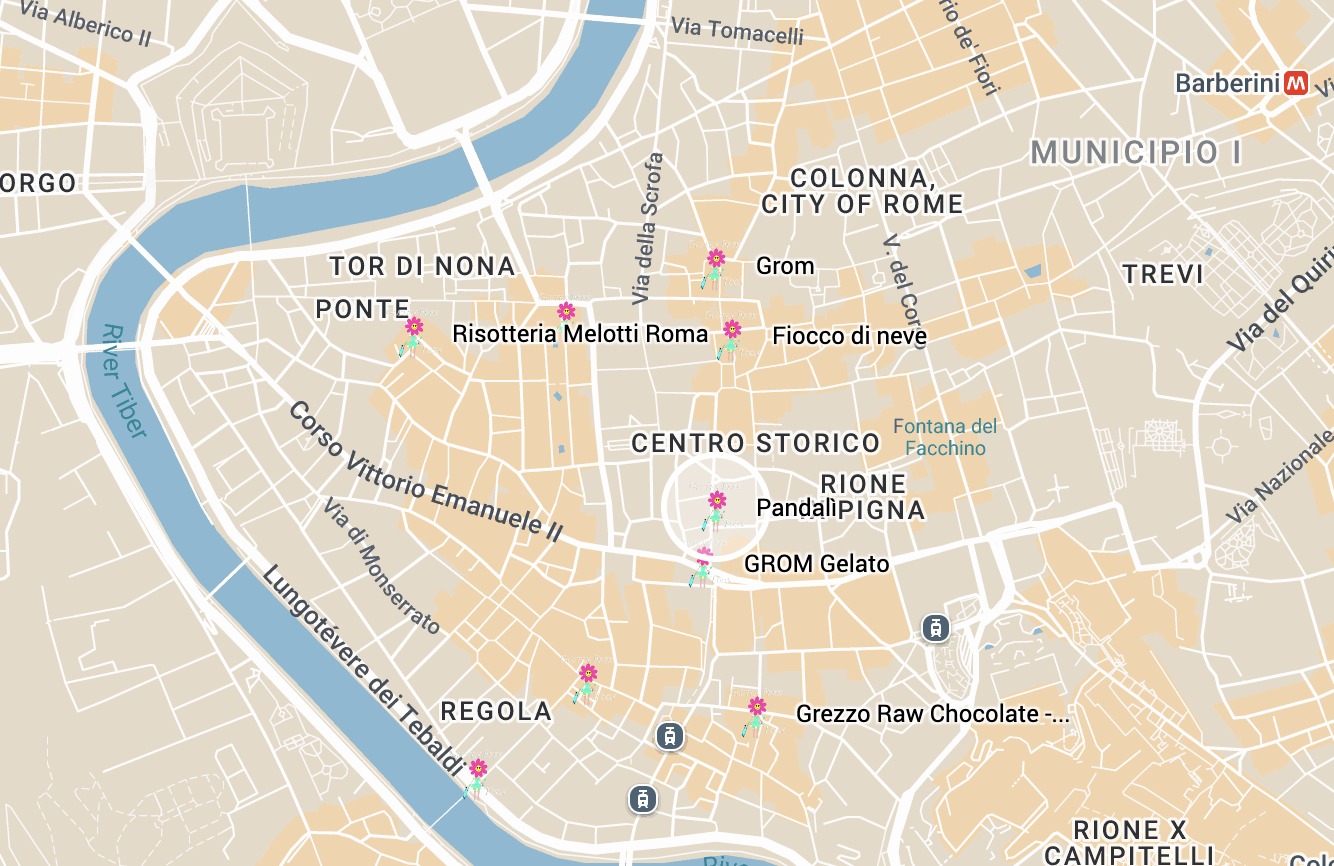
Erudito Burger Bar
Largo di S. Luca Evangelista, 4 5, 00176 Roma RM, Italy


Rome Italy
100% Gluten Free Restaurants and Bakeries
Risotteria Melotti Roma
Via della Vetrina, 12a b, 00186 Roma RM, Italy


Gluten Free San Pietro
Via Bonifacio VIII, 21, 00165 Roma RM, Italy

L Oasi Celiaca
Via Tor de Schiavi, 394 a, 00171 Roma RM, Italy


Ristorante Quinoa Roma
Via Giuseppe Avezzana, 35, 00195 Roma RM, Italy


Le Altre Farine Del Mulino Roma
Via di Porta Cavalleggeri, 151 153, 00165 Roma RM, Italy


Glummy – Gluten free delights
Via Urbana, 142, 00184 Roma RM, Italy


Rome Italy
100% Gluten Free Restaurants and Bakeries

Grezzo Raw Chocolate

ia Urbana, 130, 00184 Roma RM, Italy

Piazza Mattei, 14, 00186 Roma RM, Italy

Piazza Euclide, 39, 00197 Roma RM, Italy
Sans De Blé – Pasticceria senza glutine e senza lattosio
Via Corinto, 76, 00146 Roma RM, Italy


Gluten Free Roma
Via Montebuono, 37, 00199 Roma RM, Italy


Fatamorgana Nemorense
Via Lago di Lesina, 9/11, 00199 Roma RM, Italy

Via Lago di Lesina, 9/11, 00199 Roma RM, Italy
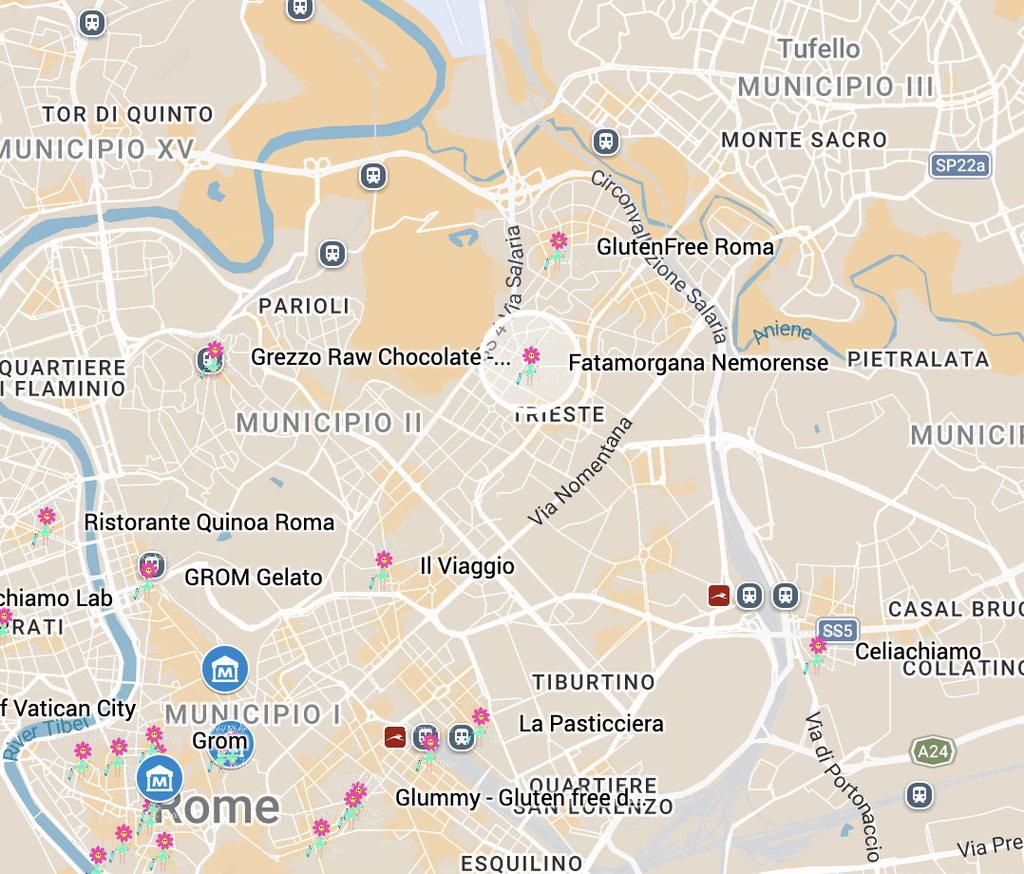
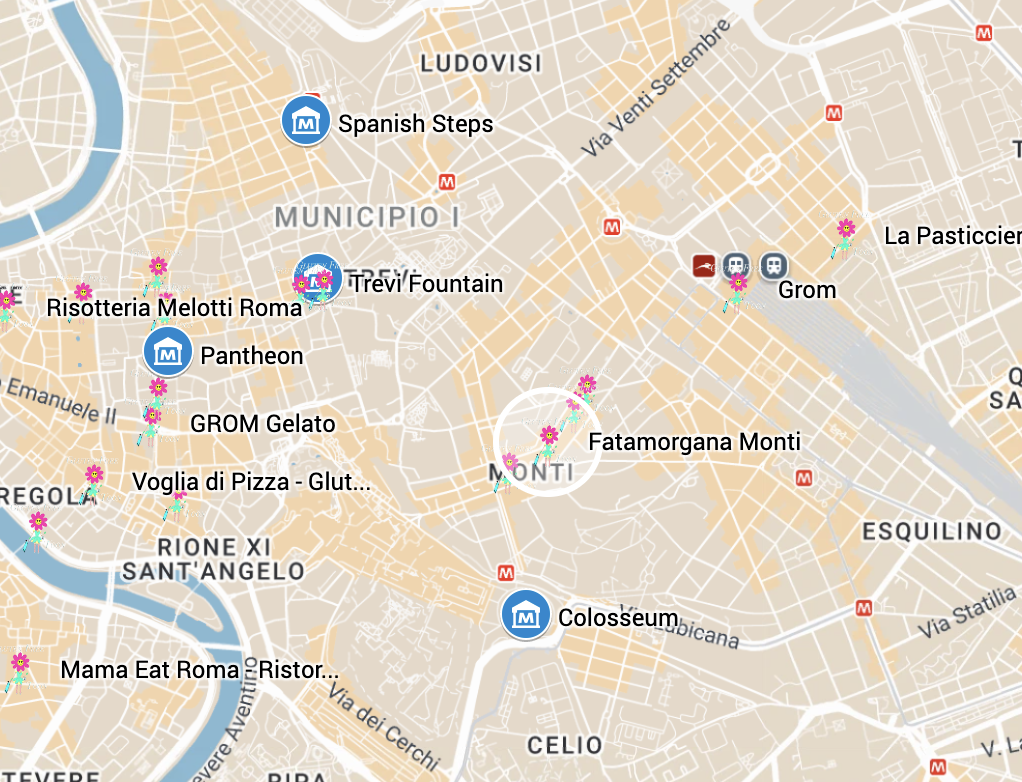
P.za degli Zingari, 5, 00184 Roma RM, Italy
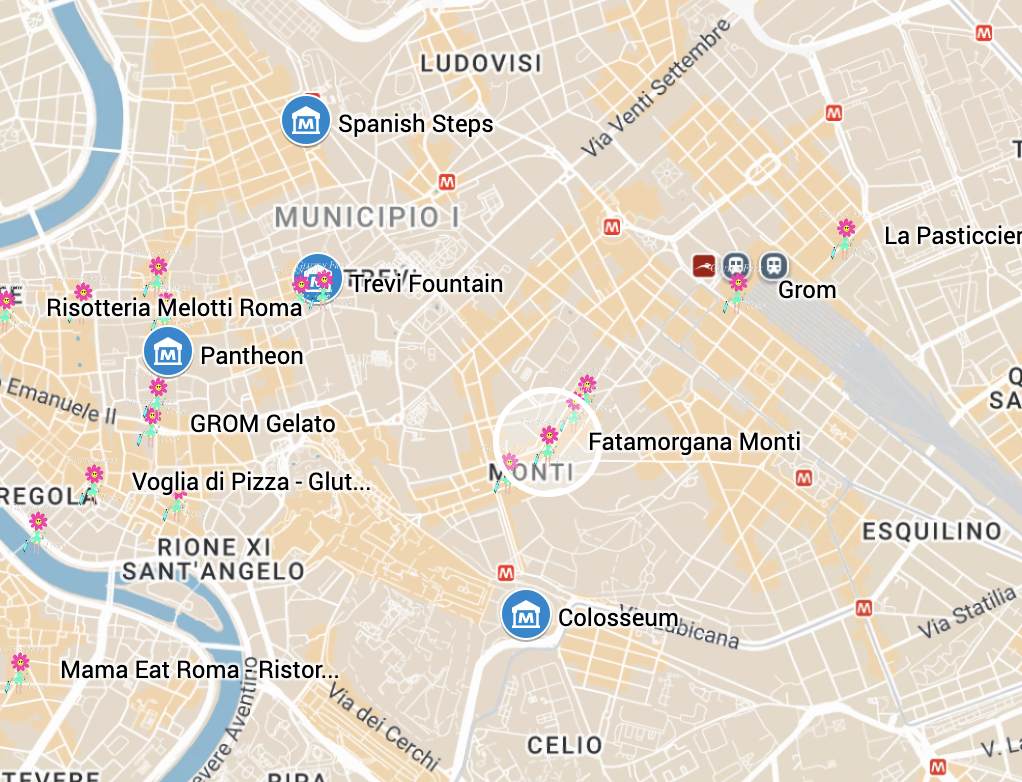
V. della Croce, 46, 00187 Roma RM, Italy
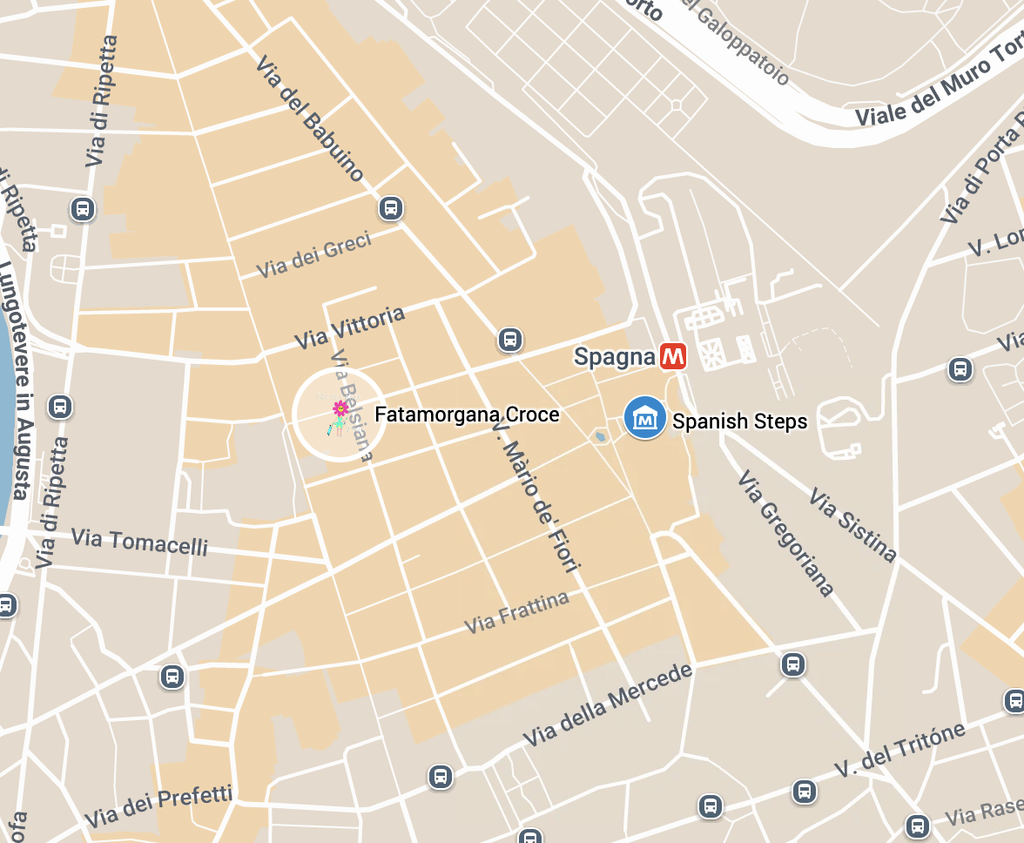
Via dei Chiavari, 37A, 00186 Roma RM, Italy
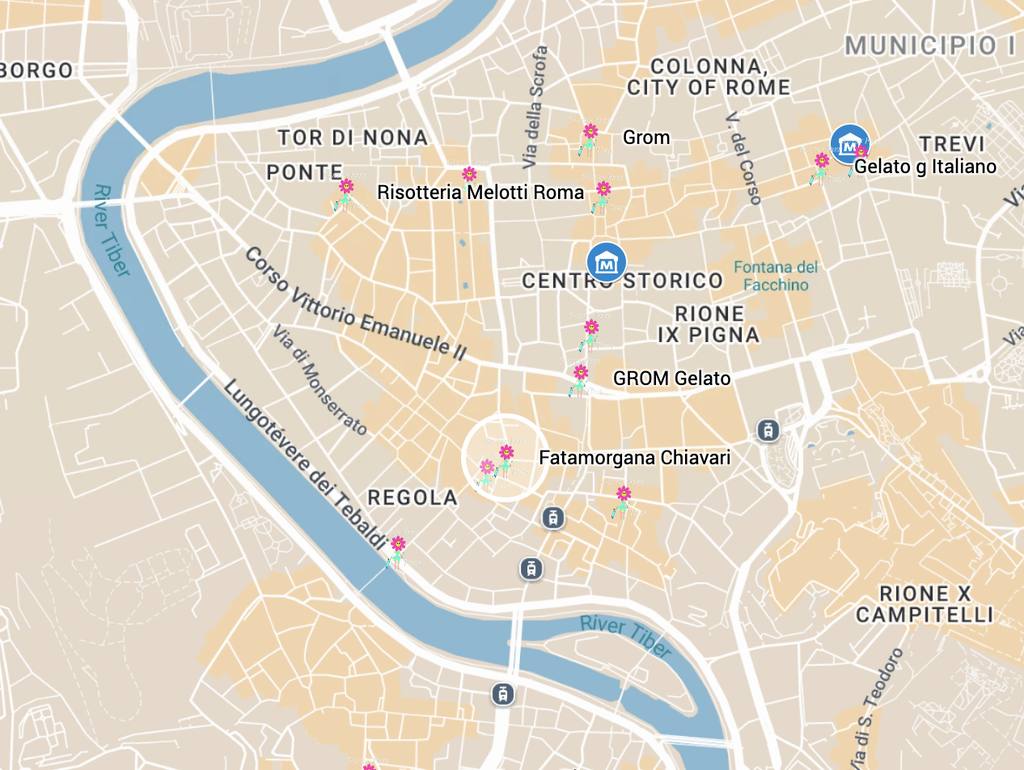
Via Roma Libera, 11 – 00153 Roma RM
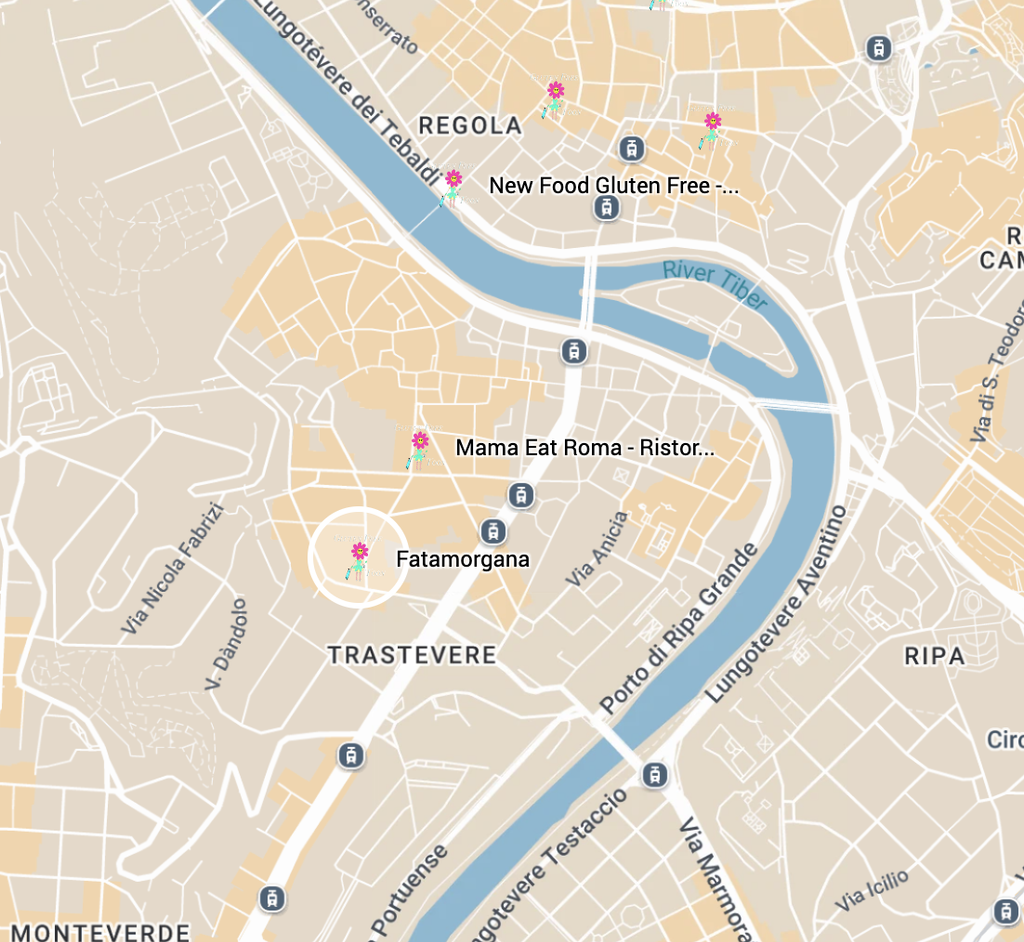
La Pasticciera
43, Via Varese, 00185 Roma RM, Italy


Celiachiamo Lab
Via Trionfale, 15, 00195 Roma RM, Italy

Via Trionfale, 15, 00195 Roma RM, Italy

Celiachiamo Lab

Celiachiamo LAB Tuscolana

Celiachiamo Eur

Celiachiamo
Grom

GROM Corso Vittorio
Corso Vittorio II, 69 00186 Rome, Rome, 186
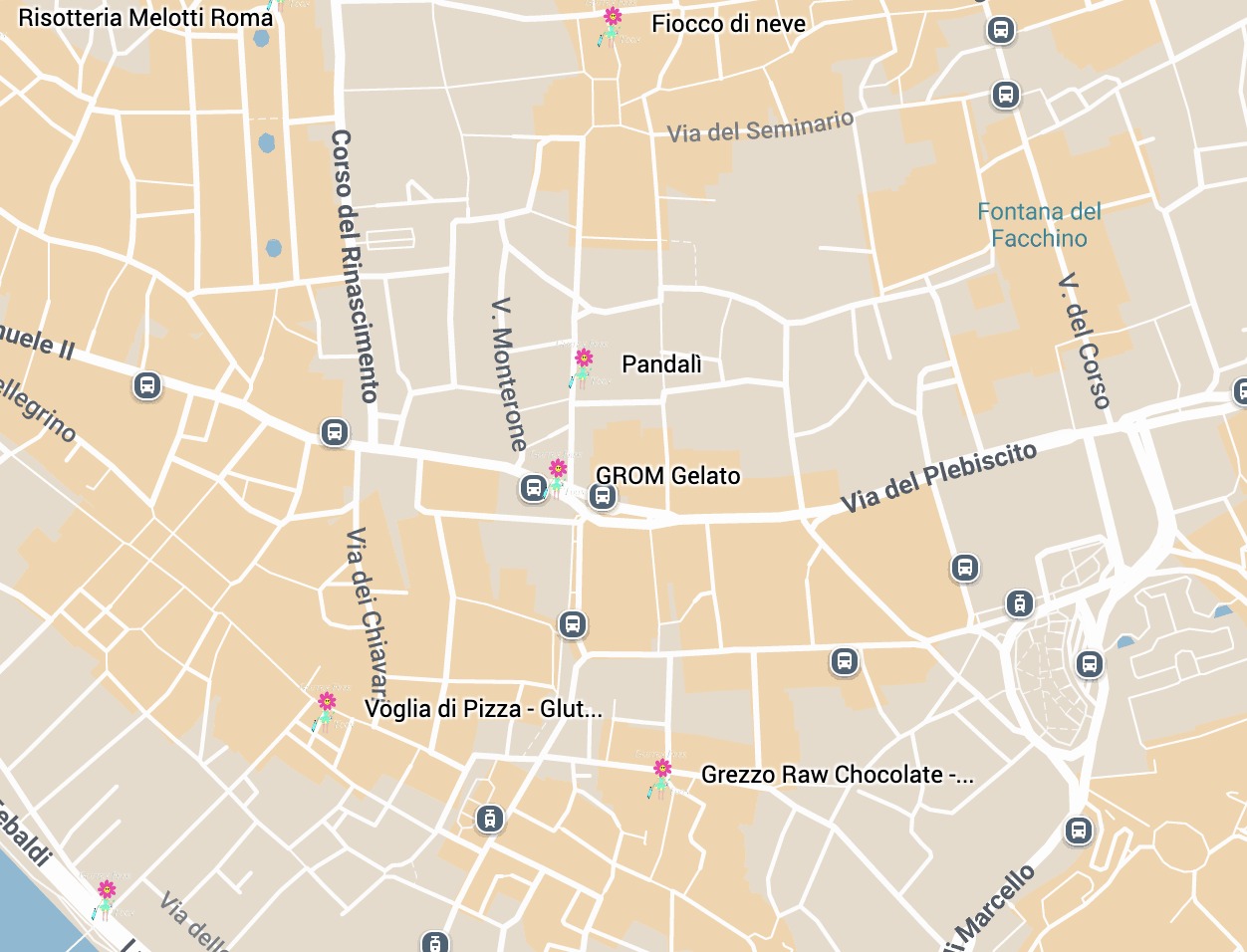
GROM Rome Navona
Piazza Navona 1, corner of Via Agonale 3-3A, Rome, 186
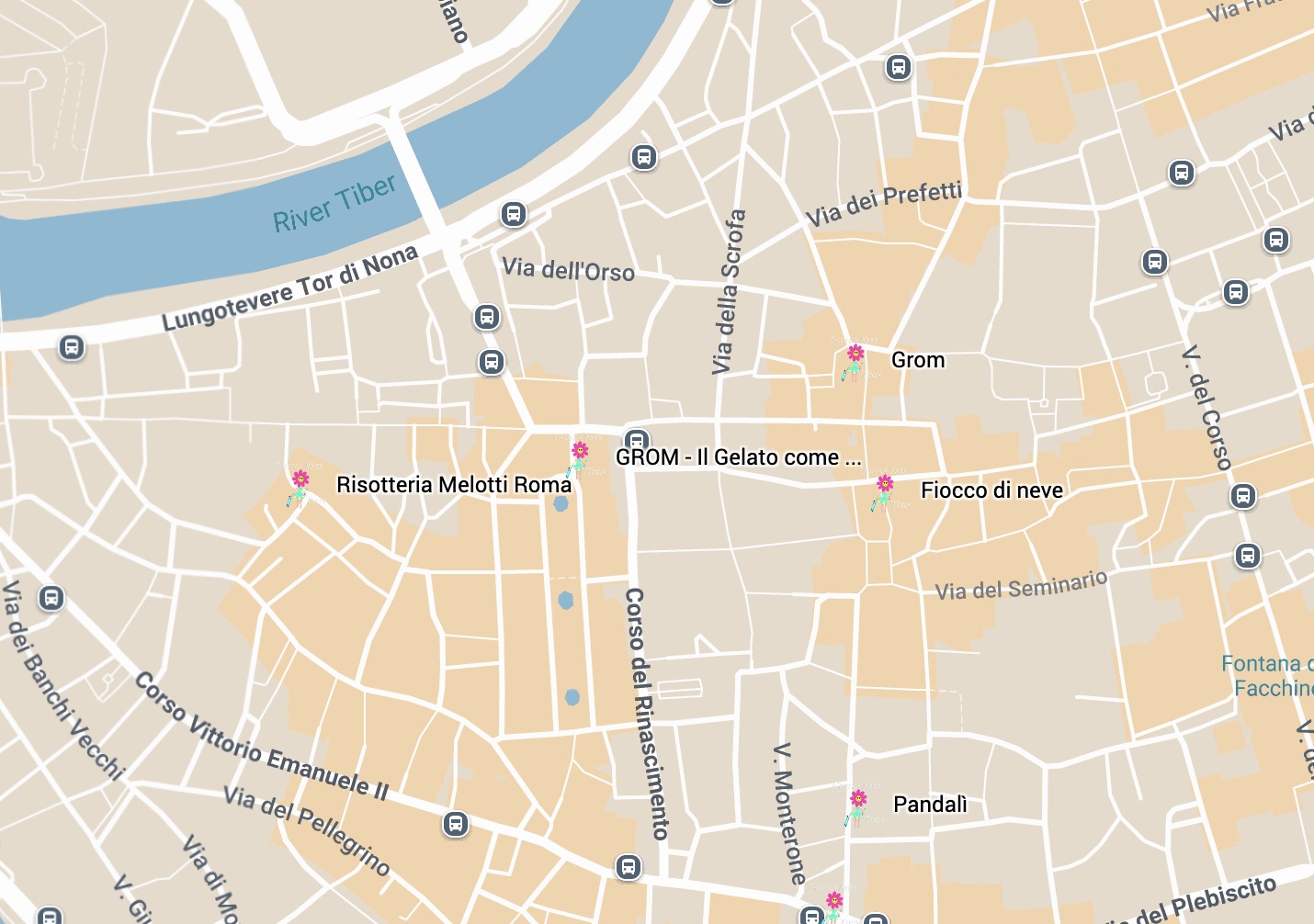
GROM Termini Station
Termini Station, Piazza dei 500, railway plan, Rome, 185
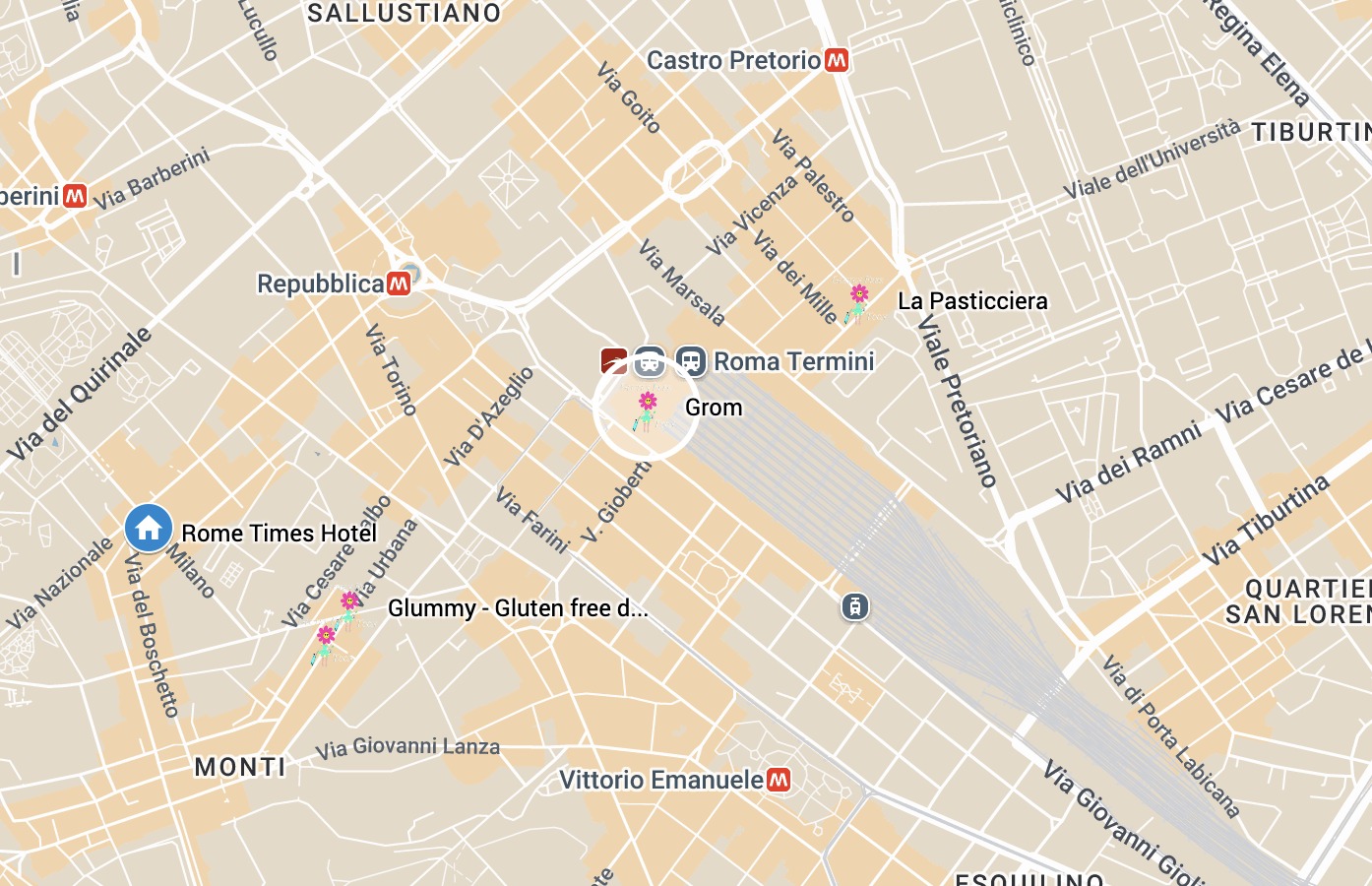
GROM Rome Flaminio
Piazzale Flaminio, 16, Rome, 196
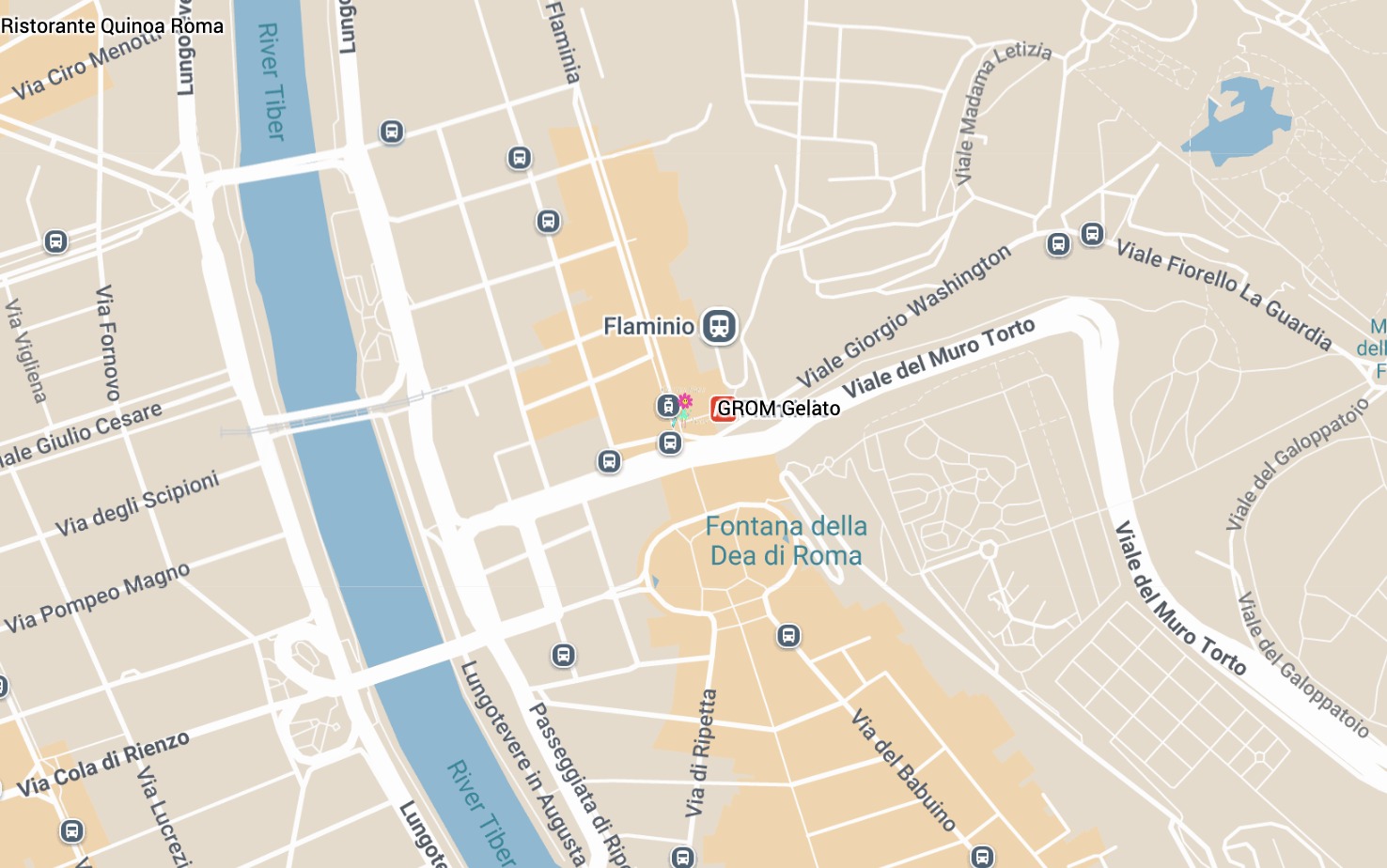
GROM Rome Octavian
Via Ottaviano, 76, Rome, 192
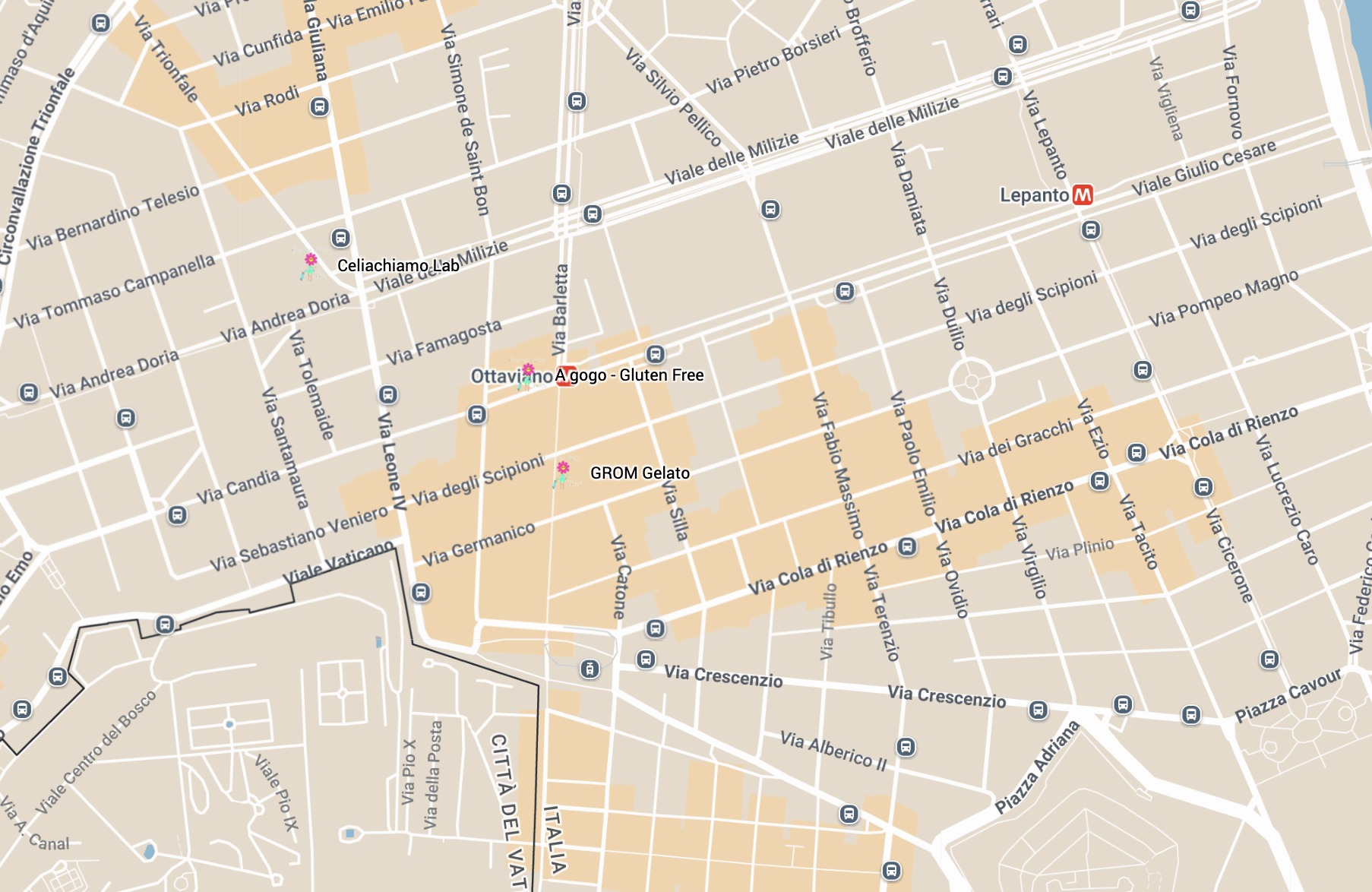
Centro Commerciale “Euroma2, Viale dell’Oceano Pacifico, 83, 00144 Roma RM, Italy
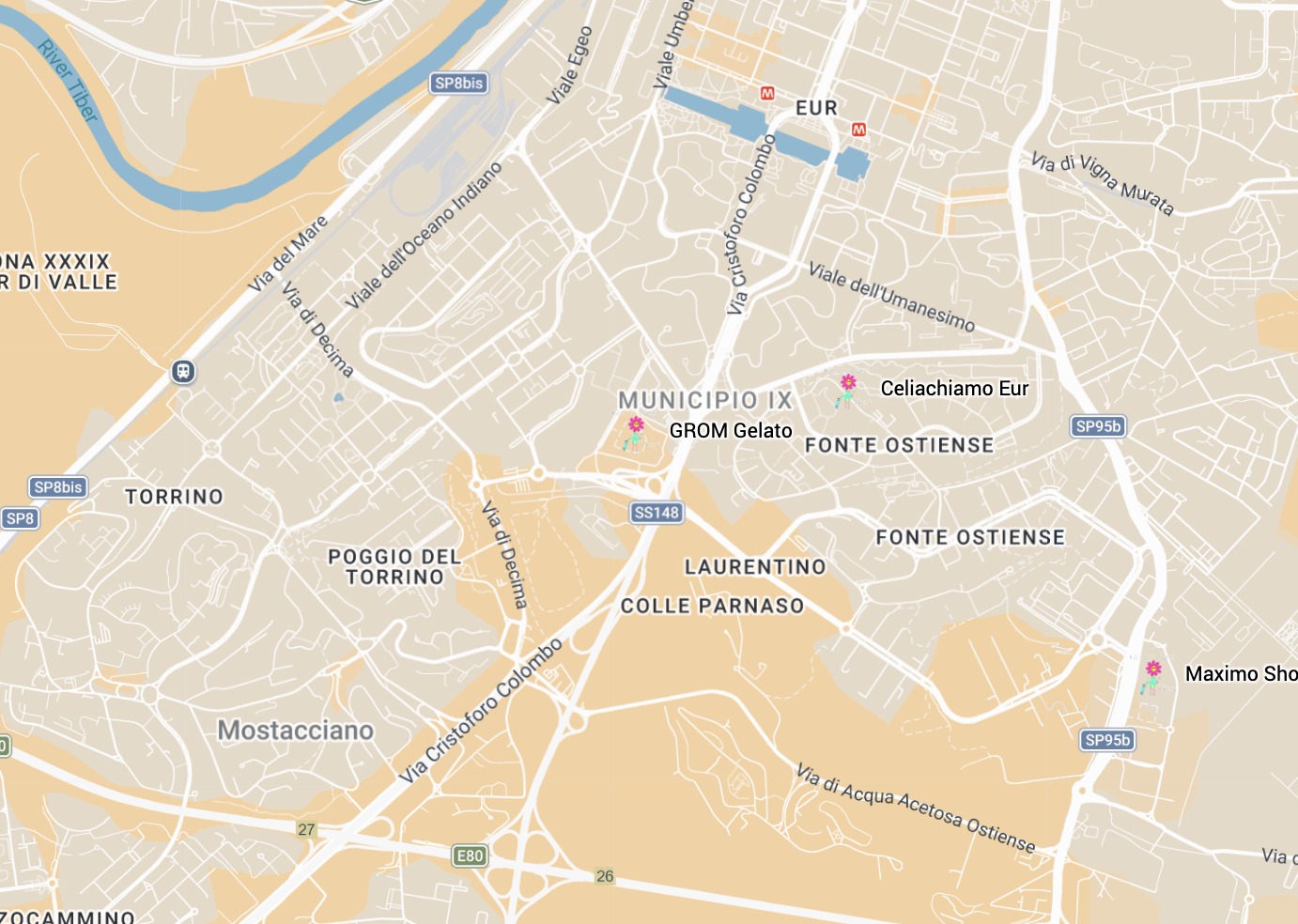
Centro Commerciale “Porta di Roma, Via Alberto Lionello, 201, 00139 Roma RM, Italy
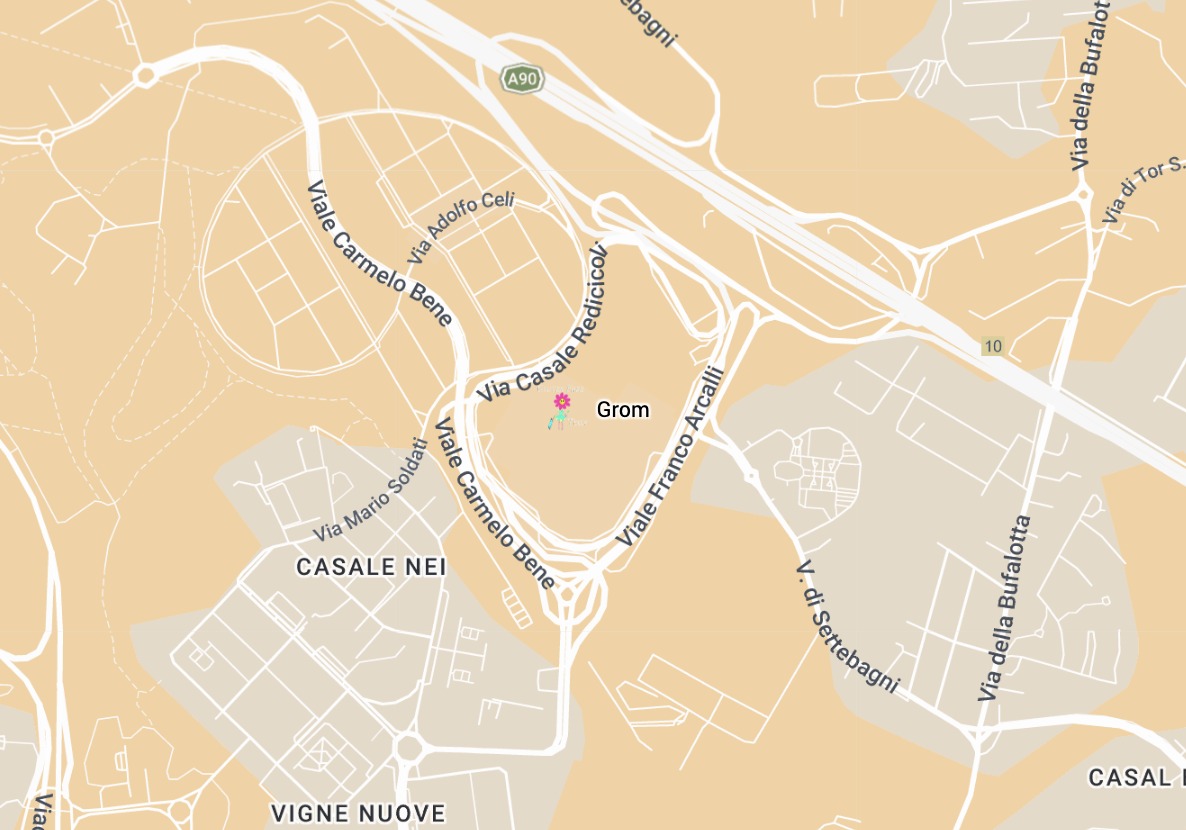
GROM Roma Maximo
Shopping Center Via Laurentina, 865, Rome, 143
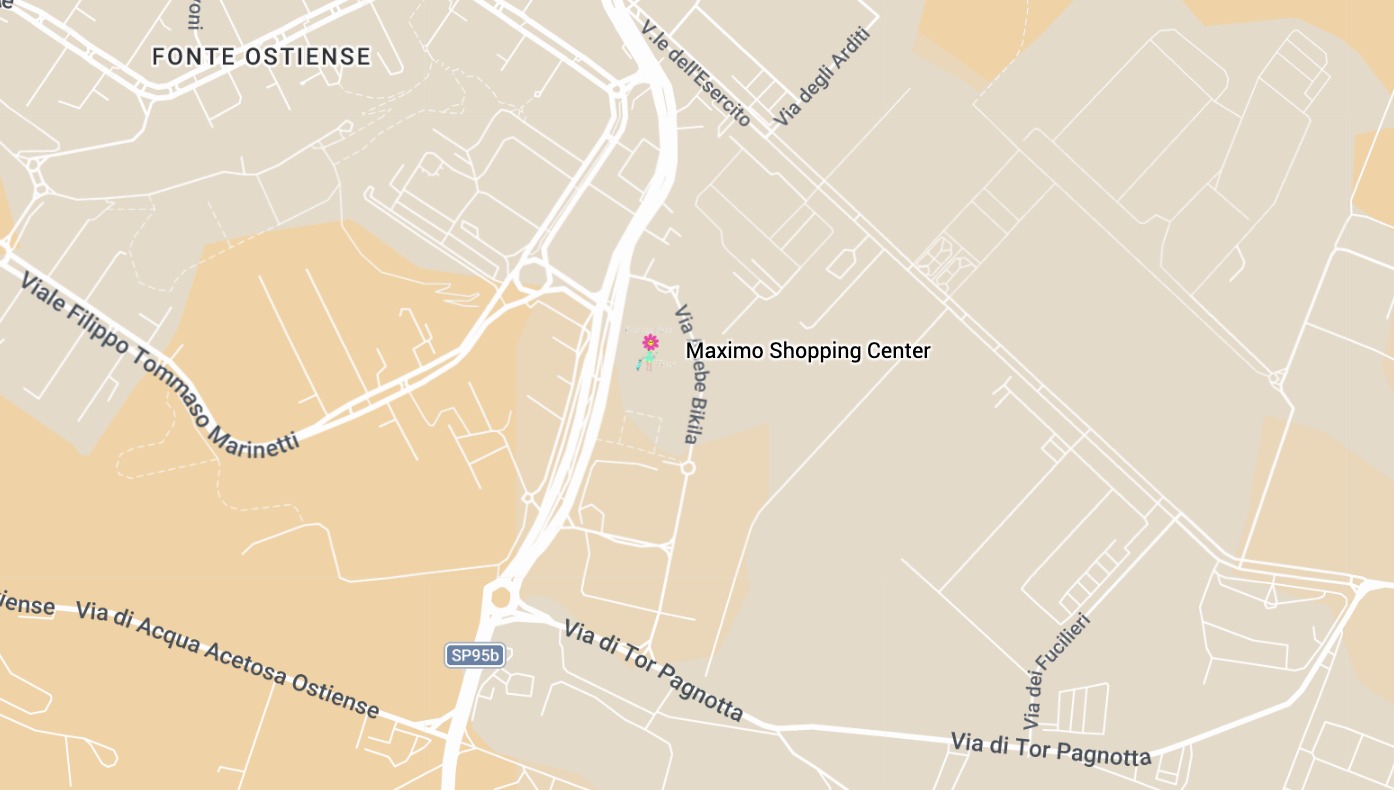
North Of Rome
Fatamorgana Monterotondo
P.za della Libertà, 6, 00015 Monterotondo RM, Italy
P.za della Libertà, 6, 00015 Monterotondo RM, Italy